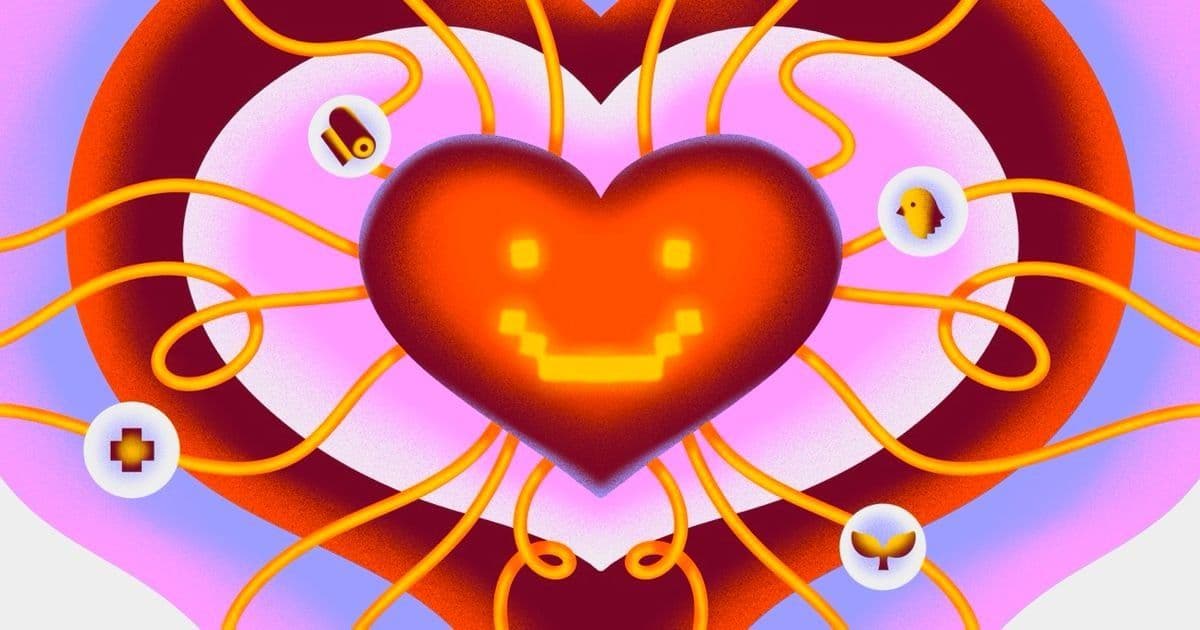
AI isn't just for big tech companies - everyday developers can make a real difference by applying AI to causes they care about, from healthcare access to environmental protection.
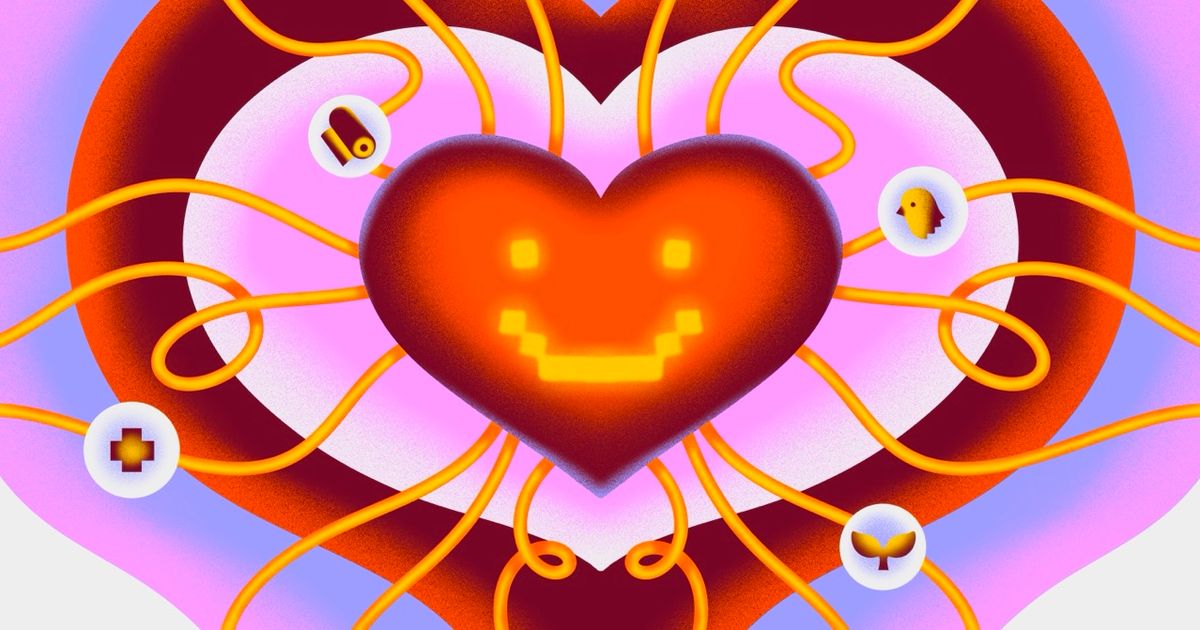
The battle between AI for good and AI for harm
The conversation around artificial intelligence often focuses on its potential for misuse - from privacy violations to environmental concerns about energy consumption. But what if we could tip the scales by doing enough good with AI to make a meaningful impact?
Ryan Panchadsaram, partner at Kleiner Perkins, frames this as an ongoing battle between "do-goodery and do-baddery" that affects every aspect of society. "We have to find the balance of powering ahead responsibly," he explains. "That's always been the test with technology."
This balance is precarious. AI can help create better relationships between citizens and essential services like healthcare, but it can also be misused for discrimination. The key, according to Panchadsaram, is being acutely aware of both the positive and negative potential of AI tools.
Why individual action matters
One of the most powerful insights from Panchadsaram's perspective is that preventing AI misuse starts with actively using AI for good. "If you can prove that so much good can happen, you can easily draw on the other side of what bad looks like. Then you can stop that from happening."
This isn't just for organizations with massive funding. Everyday developers and individuals can contribute by:
- Actively using and critiquing AI tools
- Being part of the ongoing conversation about AI ethics
- Pushing companies to maintain strong climate commitments
- Applying AI to issues they personally care about
"This field changes every week, every month," Panchadsaram notes. "The AI that you and I experienced a year ago was so radically different from today."
Finding your cause: The power of focused action
Holden Karau's story with FightHealthInsurance demonstrates how individual developers can make a difference. While working on this project, she was fighting not just for healthcare access, but for a better world for people around her - all from the comfort of her home, using tools she had available.
Karau's advice is practical and grounded: "It's nice to be able to look at the places where you can make [AI] actually do something you care about or make the world a better place - rather than just, 'Cool, we can do the same thing we did before but 1% faster.'"
How to get started with AI for good
Panchadsaram suggests a simple but powerful approach: "Pick any topic and throw it at the AI that exists today. Push yourself to see if this can help you think about how you want to have an impact on the world."
Here are some ways developers are already using AI for good:
- Environmental protection: Tools like Aigen are working toward chemical-free food production
- Manufacturing quality: Smartex aims for zero waste in textile manufacturing
- Healthcare: Canary Speech helps with early healthcare intervention for longer, happier lives
- Climate action: Compute for Climate Fellows tackle various environmental challenges
- Healthcare access: FightHealthInsurance helps people navigate insurance denials
The importance of sustainable engagement
One crucial insight from Karau is the risk of burnout when trying to do good. "I can see people swinging when they do get involved. They swing too hard, just making it their all, and then they burn out."
Her advice? "Find the thing that gives you energy instead of taking energy from you. Work on that. But also don't let it be your whole life. It doesn't have to be your whole life."
Small actions, big impact
The truth about doing good with AI is that it doesn't require perfection or solving every problem at once. Sometimes, it's as simple as looking at your immediate community: "Look at the people on your block or the people in your building and say, 'Okay, are they safe? What can I do to help them?'"
Karau emphasizes that while these actions might seem small, "it's the collection of all the small goods we do that can offset the bad happening in the world."
The path forward
The people making the most meaningful impact with AI are those who focus on one challenge well. Whether it's appealing health insurance denials or improving quality control in manufacturing, do-goodery should be accessible and achievable.
As Karau puts it: "That's not going to change the whole world, but it's going to change someone's world, and that matters a huge amount."
Your next steps
- Identify what you care about - Find the cause that gives you energy
- Experiment with AI tools - Try applying them to your chosen issue
- Start small but start now - Look at your immediate community for opportunities
- Stay engaged but sustainable - Avoid burnout by maintaining balance
- Be part of the conversation - Your voice matters in shaping AI's future
The battle between AI for good and AI for harm isn't won by perfect solutions or massive organizations alone. It's won by countless individuals making small, meaningful contributions in the areas they care about most. As a developer, you have the tools and the power to be part of that change.
Comments
Please log in or register to join the discussion