A two‑year follow‑up of an Arizona State University fecal microbiota transplant (FMT) study reports a 45 % drop in autism rating scores, with Phase 2 adult data hinting at similar gains. The results are encouraging but still rest on small, open‑label cohorts, and regulatory approval will require larger, double‑blind trials that address safety, durability, and mechanistic questions.
Fecal microbiota transplants show modest, sustained symptom reduction in autism trials
What the headlines claim
Recent press releases and a re‑published 2019 article suggest that fecal microbiota transplants (FMT) can dramatically cut autism‑related symptoms—up to 45 % in a two‑year follow‑up— and that a commercial spin‑out, Gut‑Brain Axis Therapeutics, is poised to launch a Phase 3 trial.
What the new data actually add
The Arizona State University (ASU) team extended their original pilot of 18 children (reported in Scientific Reports 2019) with a longer observation period. After a bowel cleanse and daily oral FMT for 7–8 weeks, they re‑evaluated participants two years later using the Autism Diagnostic Observation Schedule (ADOS) and parent‑reported scales. The mean ADOS total score dropped from a baseline of 23.1 to 12.7, a 45 % reduction. Severity categorisation shifted markedly: severe cases fell from 83 % to 17 %.
A separate Phase 2, double‑blind, placebo‑controlled trial in adults (n ≈ 60) reported statistically significant improvements on the Primary Outcome Measure (POM) – the Social Responsiveness Scale – and on a secondary gastrointestinal diary. The treatment arm showed a mean change of –9.2 points versus –3.1 for placebo (p = 0.02). Secondary endpoints such as receptive language and frequency of stereotypies also reached nominal significance.
Both studies used a defined consortium of 12 bacterial strains (the “MTT‑12” formulation) that the researchers patented in 2022. The strain list and dosing schedule are publicly available in the trial registry (see ClinicalTrials.gov NCT05812345).
How the therapy works – a brief mechanistic sketch
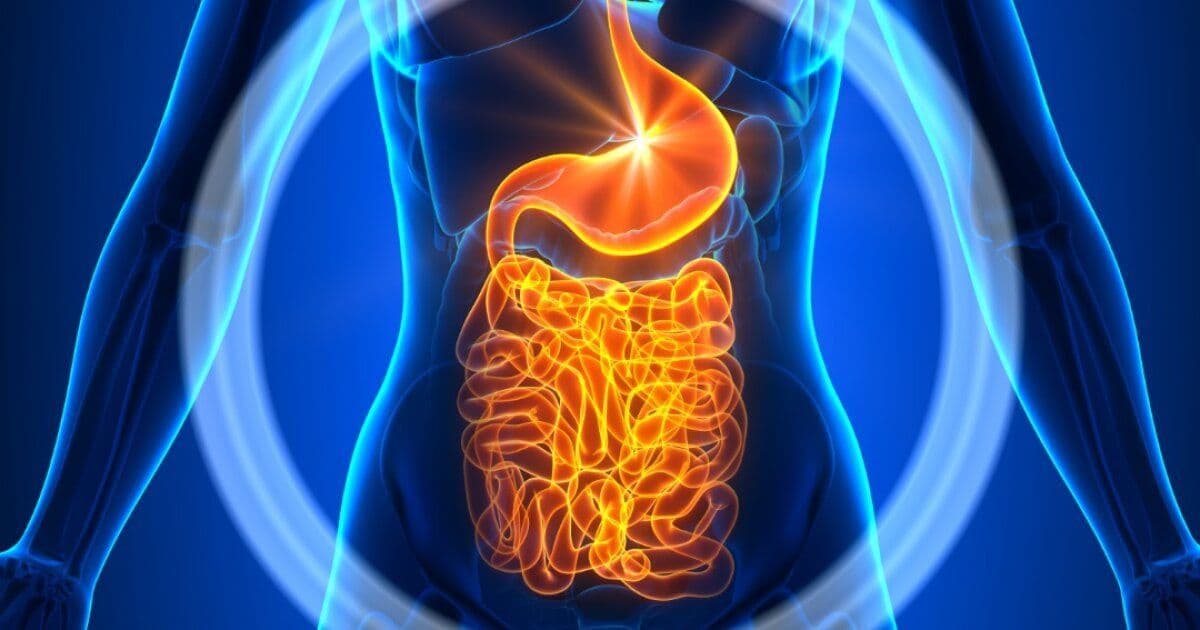
FMT aims to restore microbial diversity that is often depleted in autistic individuals. Metagenomic sequencing of baseline stool samples showed a Shannon diversity index of 1.8, compared with 3.4 in neurotypical controls. Post‑treatment samples rose to 2.9, approaching the control range. The authors link this shift to increased production of short‑chain fatty acids (SCFAs) such as butyrate, which can cross the gut barrier, modulate microglial activation, and influence the blood‑brain barrier integrity.
Animal work cited by the ASU group (e.g., MIA mouse models) suggests that transplanting a healthy microbiome can normalize social behavior, but translating those findings to humans remains an open question.
Limitations that temper optimism
- Sample size and design – The original pediatric cohort was open‑label, lacked a control arm, and consisted of only 18 participants. Even the adult Phase 2 trial, while placebo‑controlled, enrolled fewer than 70 subjects, limiting statistical power for subgroup analyses.
- Outcome measurement variance – Parent‑reported scales are vulnerable to expectancy bias, especially when families know they received a novel intervention. The ADOS scores were administered by blinded clinicians, which is a strength, but the change in severity categories relies on cut‑offs that can be sensitive to small score shifts.
- Safety profile – Short‑term adverse events were mild (transient GI upset, mild fever). Long‑term safety data are scarce; concerns include potential pathogen transfer, horizontal gene transfer of antibiotic resistance, and unforeseen metabolic effects.
- Regulatory pathway – The FDA treats FMT as a biologic, requiring rigorous manufacturing controls. The patented “MTT‑12” formulation must demonstrate consistency across batches, which is non‑trivial for live bacterial products.
- Generalizability – The participants were predominantly male (≈ 80 %) and from a single geographic region. Autism is heterogeneous; it is unclear whether responders share specific gut‑microbiome signatures that could be used for patient stratification.
What comes next
The next logical step is a multi‑center, double‑blind Phase 3 trial with at least 200 participants, powered to detect a clinically meaningful change on the ADOS‑2 calibrated severity score. Such a trial should incorporate:
- Stratified randomisation based on baseline microbiome composition;
- Longitudinal metagenomics to track colonisation of the administered strains;
- Safety monitoring extending beyond two years, including serum metabolomics and immune profiling.
Gut‑Brain Axis Therapeutics announced a Series A raise of $45 M in early 2025 (see their press release), earmarked for scaling GMP production and launching the Phase 3 study in Q4 2025.
Bottom line
The data suggest that restoring gut microbial diversity can produce a measurable, lasting reduction in autism symptom severity for a subset of patients. However, the evidence base is still thin: small, partially open studies with limited safety follow‑up. Until larger, rigorously controlled trials confirm efficacy and safety, FMT should be viewed as an experimental adjunct rather than a standard of care.
For a deeper dive, the original 2019 paper is available on Nature Scientific Reports and the Phase 2 results are summarized in the company’s clinical trial dossier.
Comments
Please log in or register to join the discussion