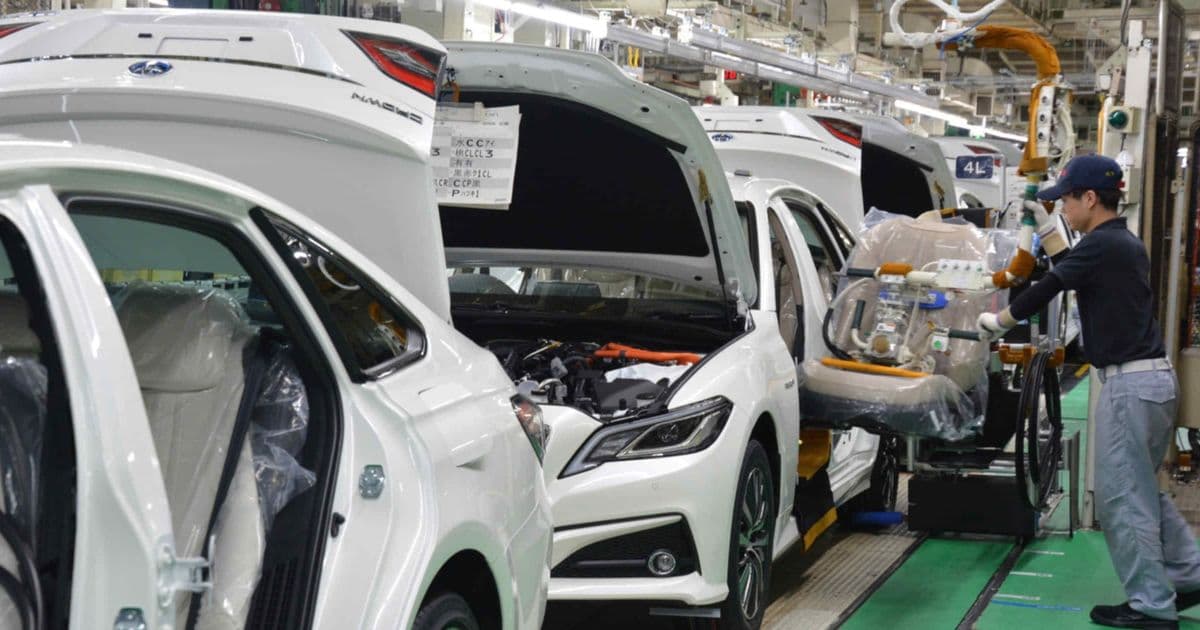
The seven biggest Japanese carmakers are projected to earn net profits around 50% of their 2022 peak, pressured by higher material prices and supply chain disruptions linked to the Iran war. The outlook forces a strategic shift toward cost control, regional partnerships, and a more cautious EV rollout.
Business news
Japan’s top seven automakers – Toyota, Honda, Nissan, Suzuki, Mazda, Subaru and Mitsubishi – are expected to post net profits of roughly ¥2.5 trillion this fiscal year, about half of the ¥5.0 trillion recorded in 2022, according to a Nikkei Asia analysis released on May 16, 2026. The downgrade stems mainly from rising input costs tied to the ongoing Iran‑Israel conflict, which has pushed oil‑derived plastics, copper and specialty steel up 12‑18% year‑on‑year. All three manufacturers that disclosed guidance – Toyota, Suzuki and Honda – warned that the cost squeeze will erode earnings margins despite modest sales growth in Asia.
Market context
The Iran war has rippled through global supply chains that depend on Middle‑East petrochemicals. Japan’s auto sector, which sources roughly 30% of its plastics and 20% of its copper from the region, now faces longer lead times and higher freight rates. At the same time, the yen remains 8% weaker against the dollar, adding a currency‑driven premium to imported components.
In the broader industry, Chinese EV sales have slowed, prompting Japanese firms to re‑evaluate their own electric‑vehicle timelines. Suzuki, which relies heavily on compact‑car sales in India, sees its profit margin contract from 7.2% to 4.8% as battery‑pack costs climb 15% amid raw‑material shortages. Honda’s recent decision to pause its aggressive EV rollout and focus on hybrid models reflects a similar cost‑containment mindset.
What it means
- Cost‑control measures will dominate – Toyota’s CFO indicated that the group will accelerate its “lean‑manufacturing” program, targeting a 3% reduction in per‑vehicle production cost by FY27. Expect tighter component sourcing, increased use of in‑house aluminum casting, and greater reliance on recycled plastics.
- Strategic partnerships gain urgency – With profit margins squeezed, Japanese firms are likely to deepen cross‑border collaborations. Nissan’s planned joint venture with a Korean battery supplier and Suzuki’s alliance with a Taiwanese semiconductor maker are early signs of a shift toward shared R&D spend.
- EV rollout may be staggered – The profit outlook reduces the cash available for large‑scale EV investments. Honda’s pivot to a hybrid‑first strategy and Subaru’s postponement of its 2028 EV launch suggest a broader industry trend of pacing electrification until supply‑chain stability returns.
- Share‑price pressure – Analysts at Nomura have cut the average price‑target for the automaker group from ¥9,200 to ¥7,800, reflecting the earnings dip. Investors are likely to reward firms that can demonstrate tangible cost‑saving outcomes within the next 12 months.
- Geopolitical risk becomes a valuation factor – The Iran conflict underscores the need for diversified sourcing. Companies that successfully shift a larger share of critical inputs to Southeast‑Asian or domestic suppliers could see a premium in future earnings forecasts.
Overall, the profit contraction forces Japan’s auto giants to balance short‑term cost discipline with longer‑term technology bets. The firms that manage to streamline operations while maintaining a credible EV roadmap will be best positioned to recover once the geopolitical shock eases.
Comments
Please log in or register to join the discussion