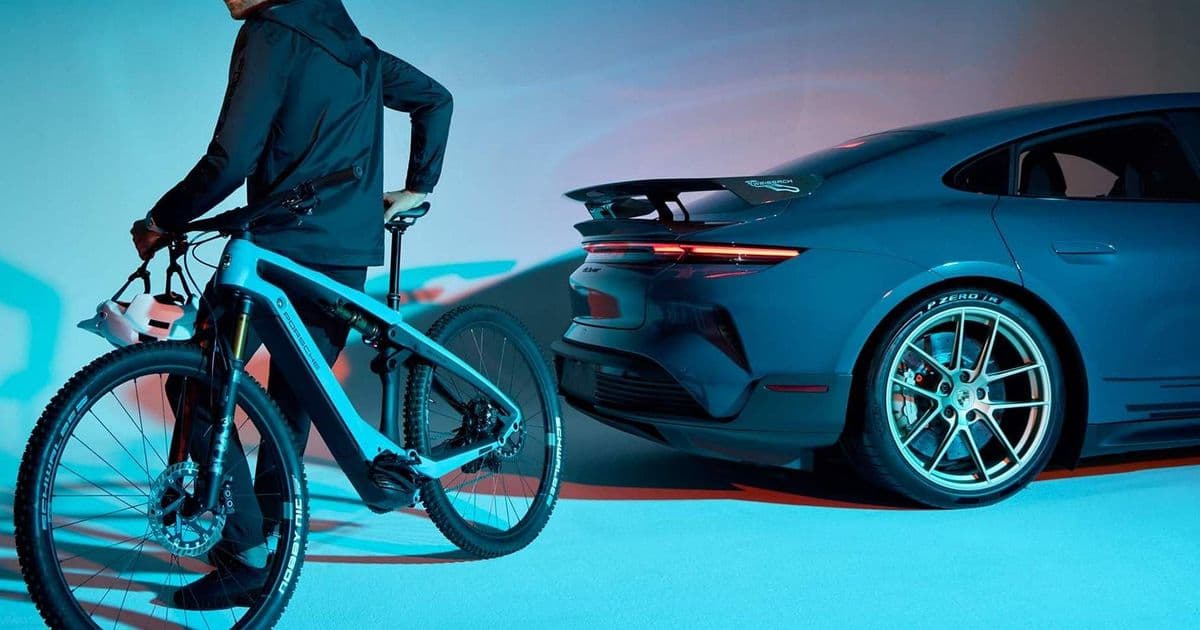
Porsche is cutting more than 500 positions as it closes its e‑Bike subsidiary, battery arm Cellforce, and software firm Cetitec. The moves are aimed at refocusing the automaker on its core sports‑car business after a sharp sales drop in China and new US tariffs.
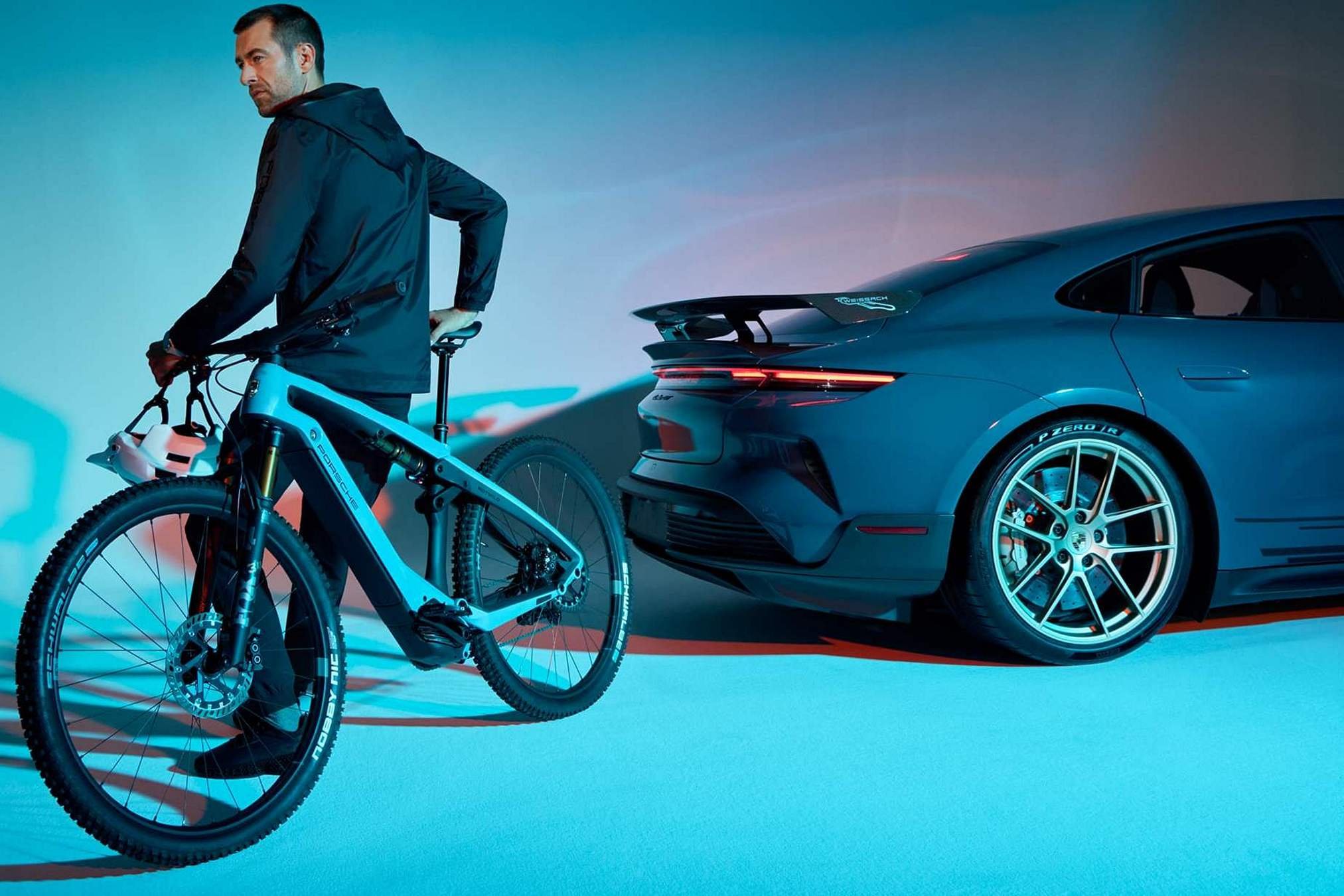
Porsche is undertaking its most extensive restructuring since the 2020 pandemic, announcing the shutdown of three subsidiaries and the loss of over 500 jobs. The headline cut is the complete wind‑down of Porsche eBike Performance GmbH, the company’s in‑house e‑bike venture that was meant to develop proprietary motor systems and sell branded bicycles.
What’s happening now?
- e‑Bike division – About 350 staff in Ottobrunn (near Munich) and Zagreb will be let go. Existing Porsche‑branded bicycles will stay on the market, but production will shift to the German partner Rotwild.
- Cellforce Group – The battery subsidiary in Kirchentellinsfurt is being closed, eliminating roughly 50 positions. Battery output there had already been scaled back last year.
- Cetitec – The data‑communication software house in Pforzheim (and a smaller site in Croatia) will cease operations, costing around 60 jobs in Germany and 30 in Croatia.
- Executive board – Porsche is trimming its top‑level management from eight divisions to seven, and the Car IT department will be merged into general vehicle development in July.
Why the cuts?
The restructuring follows a significant decline in Q1 2026 results. Porsche’s balance sheet is burdened by a steep drop in demand from the Chinese market, which traditionally accounts for a sizable share of its high‑margin sports‑car sales. On top of that, new US import tariffs have squeezed margins on exported models. CEO Michael Leiters framed the layoffs as “an indispensable foundation for a successful realignment,” emphasizing a return to the company’s core competency: manufacturing performance automobiles.
How does this compare to previous Porsche moves?
- 2022‑2023 – Porsche trimmed roughly 1 % of its workforce while expanding its electric‑vehicle (EV) lineup, but kept the e‑Bike unit alive as a brand‑extension experiment.
- 2024 – The automaker announced a modest 150‑person reduction in its battery‑cell R&D team, citing slower rollout of its next‑gen solid‑state cells.
- Now – The current cuts are broader, targeting entire subsidiaries rather than isolated teams, and the headcount loss is more than three times the 2024 reduction.
Who is affected?
- Employees – The majority of the 350 e‑Bike staff are engineers and production specialists who designed Porsche‑branded motor kits. Many will receive severance packages, but the abrupt closure leaves little time for redeployment.
- Suppliers – Rotwild, already a long‑time OEM partner for Porsche’s concept bikes, will see a surge in volume as it takes over full production. Smaller component suppliers that serviced the e‑Bike unit may lose business.
- Investors – Analysts see the move as a cost‑saving measure that could improve operating margins in the short term, but the loss of diversification into mobility‑adjacent markets may raise questions about long‑term growth.
What does this mean for Porsche’s product line?
- Sports cars – Expect a tighter focus on the 911, Cayman, and the upcoming electric Taycan variants. Development resources previously split with the e‑Bike and battery projects will now be funneled into powertrain efficiency and autonomous driving features.
- E‑Mobility – While the in‑house e‑Bike brand disappears, Porsche will still sell branded bicycles produced by Rotwild. The company’s broader EV strategy remains unchanged, with new battery‑pack architectures slated for 2027.
- Software – The dissolution of the Car IT department suggests a shift toward integrating vehicle software directly within the core engineering teams, mirroring trends at other premium automakers.
Bottom line
Porsche’s decision to axe more than 500 jobs and shutter its e‑Bike, battery, and software subsidiaries signals a decisive retreat from peripheral mobility projects. The automaker is betting that concentrating on its heritage sports‑car platform and upcoming electric models will restore profitability after a painful sales dip in China and the impact of US tariffs. For former e‑Bike engineers and software staff, the outlook hinges on whether Porsche can redeploy talent within its core divisions or if they will seek opportunities elsewhere in the rapidly evolving automotive ecosystem.
Comments
Please log in or register to join the discussion