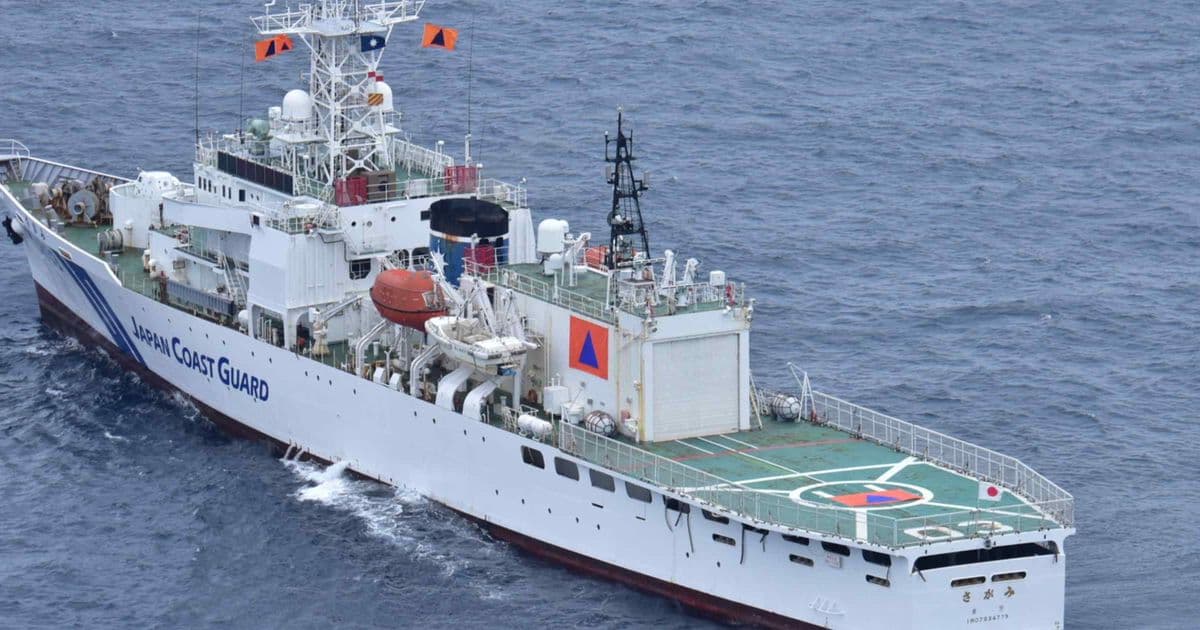
Tokyo will launch a maritime‑domain‑awareness information‑exchange with ASEAN states, aiming to deepen Japan‑led MDA services, offset supply‑chain risks exposed by the Strait of Hormuz closure, and create a new export market for Japanese surveillance tech.
Japan’s new maritime‑domain‑awareness push
Tokyo announced on May 17 that the Ministry of Defense will begin sharing real‑time vessel‑tracking data with a pilot group of Southeast Asian partners, starting with the Philippines, Indonesia and Malaysia. The programme is framed as a maritime domain awareness (MDA) service – a suite of satellite, radar and AI‑driven analytics that flags suspicious ship movements, illegal fishing and potential choke‑point disruptions.
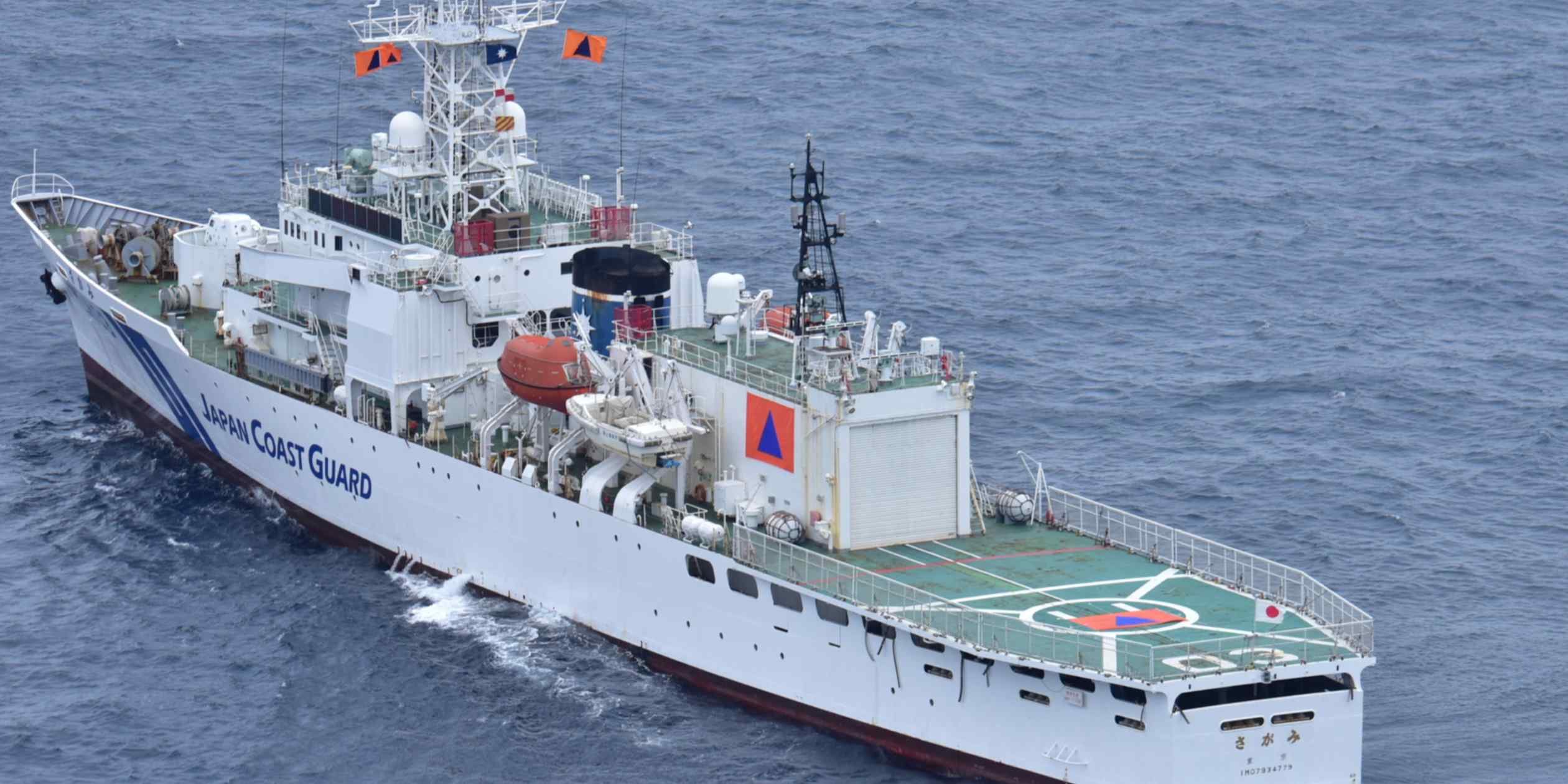
Market context: why the timing matters
The move comes after the effective closure of the Strait of Hormuz in early 2026, which forced a sudden reroute of more than $30 billion of daily oil cargoes. Shipping firms reported a 15 % increase in freight rates on the Asia‑Europe lane and a 12 % rise in bunker fuel costs for vessels detouring around the Cape of Good Hope. Those price spikes highlighted the fragility of key sea lanes that carry roughly 80 % of global trade.
Japan’s own shipbuilding sector, already coping with a $4.2 billion backlog of orders, faces a paradox: domestic demand for new patrol vessels has slowed, while overseas buyers are seeking ready‑made surveillance platforms. In the past five years Japanese firms such as i‑Space, Kongsberg Maritime Japan, and NEC have secured $1.1 billion in contracts for satellite‑based tracking and AI‑enabled anomaly detection for the region.
Strategic implications for Japan and its partners
Export revenue stream – By positioning Japanese companies as the preferred MDA providers, Tokyo hopes to capture a share of the projected $6.5 billion Southeast Asian maritime‑surveillance market by 2030. The government’s plan includes subsidies for joint‑venture pilots, effectively lowering the entry cost for local navies.
Supply‑chain resilience – Real‑time data sharing can alert regional ports to sudden traffic buildups, enabling quicker rerouting and reducing the likelihood of costly bottlenecks similar to the Hormuz episode. For Japanese manufacturers dependent on timely component shipments from Vietnam and Thailand, a more predictable sea‑lane environment translates into lower inventory buffers and an estimated $200 million annual savings in logistics costs.
Geopolitical balance – Strengthening ties with ASEAN navies counters growing Chinese influence in the South China Sea. While the plan stops short of a formal security alliance, the data‑exchange framework creates a de‑facto network of interoperable monitoring capabilities that can be activated in crisis situations.
Technology diffusion – The initiative will showcase Japanese AI‑based pattern‑recognition tools that flag abnormal vessel behavior, a capability proven in the Iran‑Iranian Strait of Hormuz conflict where automated alerts helped allied fleets avoid ambushes. Exporting this know‑how could spur domestic R&D investment, potentially adding ¥150 billion to the sector’s annual R&D budget.
What it means for the broader market
Analysts at Nomura estimate that Japan’s MDA export push could lift the country’s defense‑export ratio from the current 2 % of total defense sales to 4‑5 % within three years. For Southeast Asian ship owners, the prospect of lower‑cost, high‑accuracy tracking may accelerate the retirement of older, less‑efficient vessels, nudging the regional fleet’s average age down from 23 years to under 20 years by 2029.
In the short term, the plan will likely generate a modest uptick in orders for Japanese satellite bandwidth and AI‑analytics licences – a sector that posted ¥420 billion in revenue in FY2025. Over the medium term, the data‑sharing architecture could serve as a backbone for future joint exercises, anti‑piracy patrols and coordinated responses to natural‑disaster maritime emergencies.
Bottom line: Japan’s maritime‑domain‑awareness information‑exchange is a calculated effort to turn a supply‑chain vulnerability exposed by the Hormuz crisis into a growth engine for its defense and space‑technology industries, while simultaneously tightening security ties with key Southeast Asian partners.
Comments
Please log in or register to join the discussion