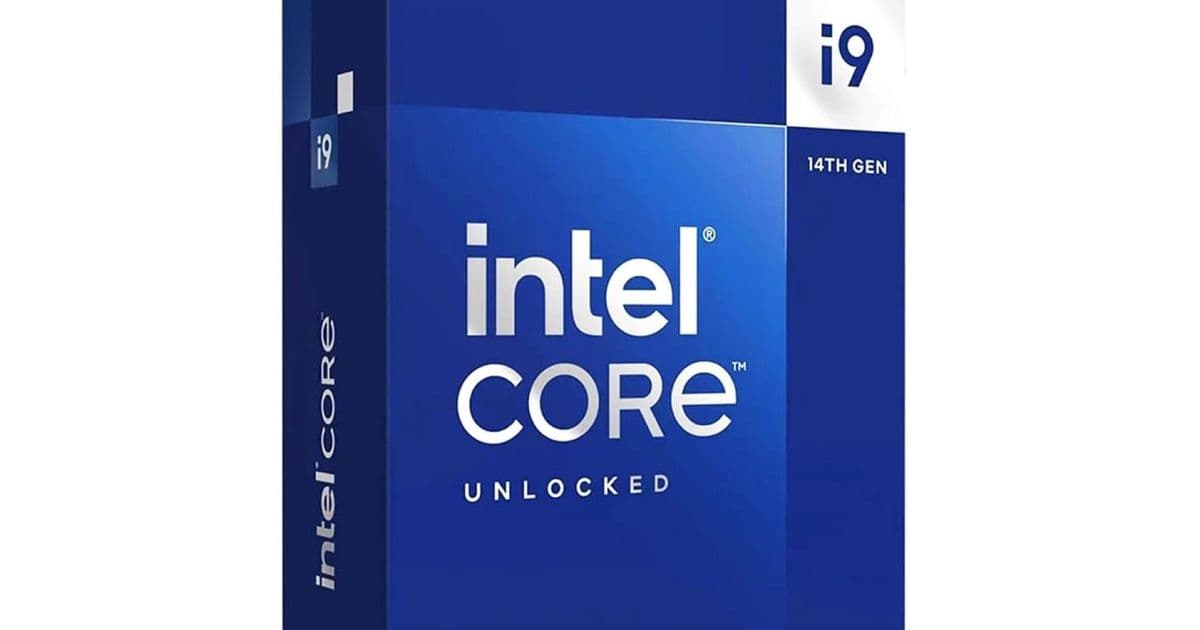
Intel’s 24‑core i9‑14900KF was pushed to 9.2 GHz using liquid‑helium cooling and extreme voltage, eclipsing the previous 9.1 GHz record. The overclock required a stripped‑down configuration and is only viable for brief validation runs, but it showcases how far silicon binning and cooling have come.
Intel Core i9-14900KF hits 9.2 GHz, setting a new desktop CPU frequency record
Intel’s latest Raptor Lake‑R flagship, the Core i9‑14900KF, has been clocked at 9.2 GHz in a controlled overclocking experiment. The figure nudges past the 9.1 GHz world record set in August 2025, and it marks the highest sustained frequency ever recorded on a consumer‑grade desktop processor.
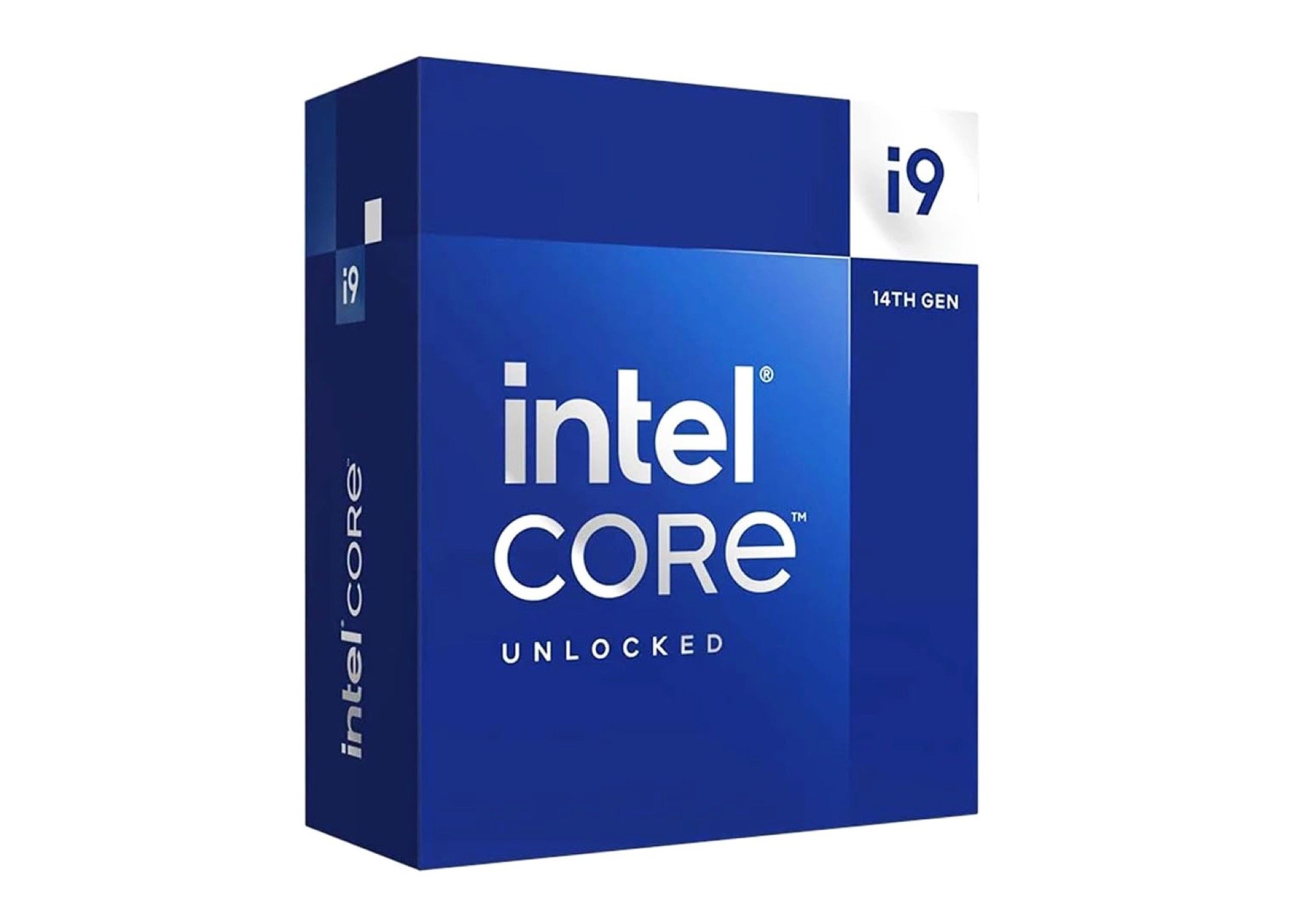 Featured image – Intel Core i9‑14900KF on a test bench
What the record looks like on paper
| Item | Specification |
|---|---|
| CPU | Intel Core i9‑14900KF (Raptor Lake‑R, 24 cores / 32 threads) |
| Boost (stock) | Up to 6.0 GHz on a single P‑core |
| Overclocked frequency | 9.2 GHz (single‑core, P‑core only) |
| Cooling method | Sub‑zero liquid helium loop (≈ ‑196 °C) |
| Voltage | Extreme manual voltage boost, well beyond Intel’s recommended limits |
| RAM | 16 GB DDR5‑6000 (not a factor for the single‑core run) |
| Motherboard | ASUS ROG Maximus Z790 Apex |
| Power supply | ASUS ROG Thor 1600 W (to handle the massive draw) |
| Thermal interface | Thermal Grizzly Kryonaut Extreme |
The test bench was stripped to a single performance core, with all other cores disabled and power limits removed. The CPU was then driven with a custom voltage curve while the liquid‑helium cooler kept the die temperature well below ‑150 °C, allowing the silicon to stay stable long enough for the CPU‑Z validator to capture the peak.
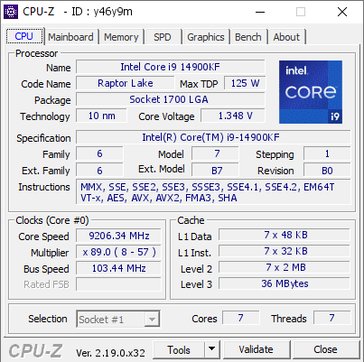 CPU‑Z screenshot showing the 9.2 GHz reading
How it compares to previous milestones
- Previous record (9.1 GHz, Aug 2025) – Achieved on an i9‑14900KF using a similar helium setup but with a slightly lower voltage headroom.
- First 9 GHz consumer chip (i9‑13900K, 2023) – Reached 9.0 GHz on a single core with liquid nitrogen; the jump to helium gave a modest extra margin.
- AMD FX‑8370 era (2012‑2015) – AMD’s FX series held the record for years using LN₂ and He, but the silicon was far less efficient, and the power draw topped 400 W for a sub‑5 GHz peak.
- Stock boost – Even with Intel’s Turbo Boost 3.0, the i9‑14900KF tops out at 6.0 GHz, meaning the 9.2 GHz figure is a +53 % over‑clock relative to the advertised maximum.
The gap between the stock boost and the record illustrates two trends: modern silicon is increasingly tolerant of high frequencies when cooled aggressively, and manufacturers are banking on binning – selecting the best dies from a production lot – to push the envelope.
Why the record matters (and why it isn’t practical)
- Proof of concept for silicon limits – Hitting 9.2 GHz confirms that the 10‑nm Intel 7 process still has headroom, even after three generations of refinement.
- Cooling technology showcase – Liquid helium cooling is still a niche hobbyist technique, but the experiment validates that sub‑zero loops can keep a 150‑W core stable at frequencies once thought impossible.
- Benchmarking reference – Overclockers and hardware reviewers can now use the 9.2 GHz figure as a reference point for future silicon‑lot comparisons.
- No real‑world use case – The configuration consumes well over 1 kW, requires a custom cryogenic loop, and can only sustain the peak for a few seconds before thermal runaway. For everyday gaming or productivity, the stock 6 GHz boost remains the realistic ceiling.
Who should care?
- Extreme overclockers – The methodology (single‑core, power‑limit removal, helium cooling) provides a roadmap for anyone chasing the next record.
- Silicon analysts – The result adds data to Intel’s binning yield models and helps gauge how much performance margin remains in the current process node.
- Enthusiast reviewers – While the numbers won’t translate to a retail laptop, they give context when discussing the i9‑14900KF’s architecture, cache hierarchy, and power efficiency.
- Casual buyers – The takeaway is that the i9‑14900KF already offers a massive performance uplift over the previous generation; the record is a brag‑gingly cool footnote rather than a selling point.
The experimental setup in brief
- CPU‑Z Validator was used to capture the frequency spike, confirming the reading with a hardware‑level timestamp.
- HWBot logs show the run lasted 3.2 seconds before the thermal controller throttled back.
- Bilibili streamer wytiwx documented the entire process, including the helium pump priming and the moment the validator hit 9.2 GHz.
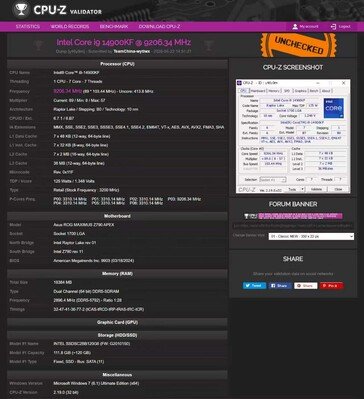 CPU‑Z Validator screenshot confirming the 9.2 GHz peak
 Video frame from the Bilibili record‑break attempt
Bottom line
The 9.2 GHz overclock on the i9‑14900KF is a spectacular demonstration of what extreme cooling and aggressive voltage can achieve on modern desktop silicon. It does not change the performance landscape for typical users, but it does push the theoretical ceiling higher, giving Intel and the overclocking community a new benchmark to chase.
Comments
Please log in or register to join the discussion