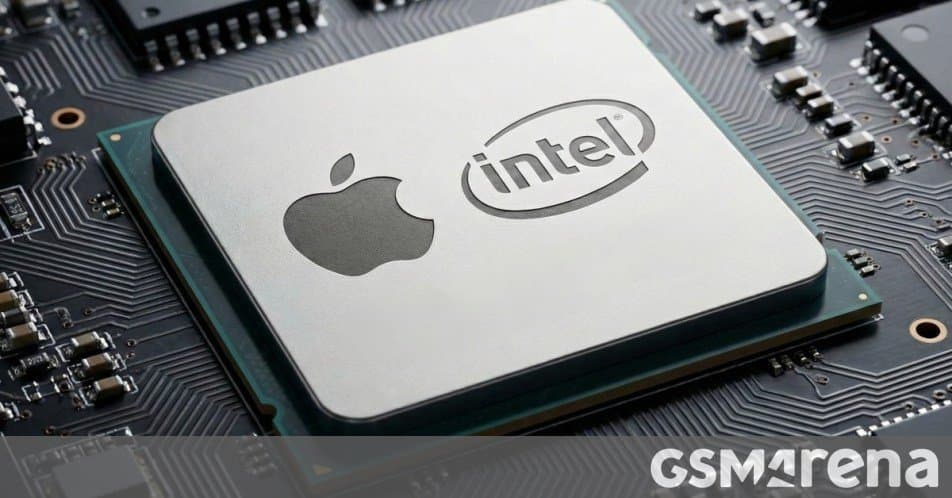
Analyst Ming‑Chi Kuo reports that Apple has begun low‑volume production of iPhone‑class silicon on Intel’s 18A‑P node, a move aimed at diversifying away from TSMC. The chips target budget iPhone, iPad and Mac models, with testing this year and a potential ramp‑up in 2027‑28 before scaling back in 2029.
Apple Tests iPhone Chip Production on Intel’s 18A‑P Process, Says Ming‑Chi Kuo
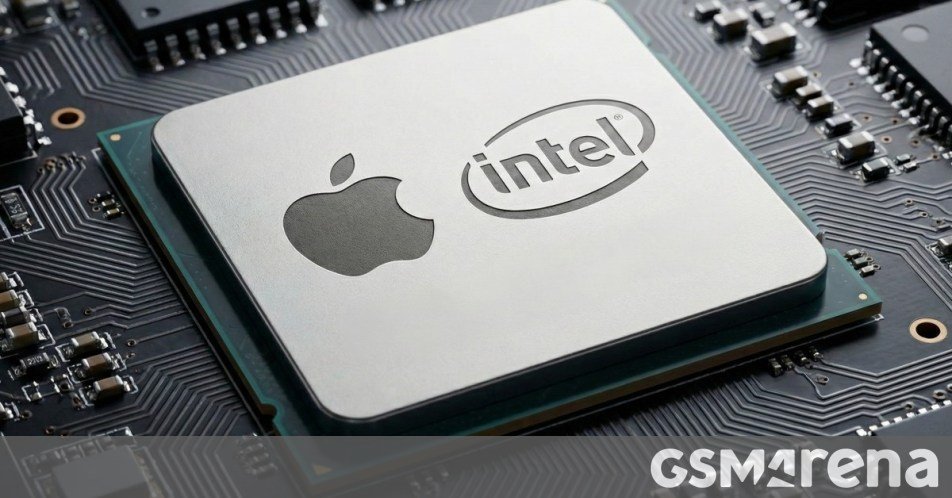
Apple’s supply chain is showing its first concrete steps toward a multi‑foundry strategy. Ming‑Chi Kuo, the analyst whose forecasts have tracked Apple’s silicon roadmap for years, posted that Apple and Intel have started trial runs of iPhone‑class chips on Intel’s 18A‑P manufacturing process. The 18A‑P node is Intel’s latest 10‑nanometer‑class technology and, according to Intel, offers performance and power characteristics comparable to TSMC’s N4 node that powers the current A18 Pro chip.
What the chips are and where they’ll appear
- Target devices: The initial batch is described as “low‑end” silicon intended for entry‑level iPhone models, as well as some iPad and Mac entries. Kuo estimates roughly 80 % of the volume will go into iPhones, with the remainder split between iPads and Macs.
- Process node: Intel’s 18A‑P is marketed as a cost‑effective, high‑yield node for mass‑market products. It sits a few generations behind Intel’s flagship 18A‑X, but it matches the power envelope of TSMC’s N4, which means Apple can meet its battery‑life targets without a major redesign.
- Geography: All production will occur in Intel’s U.S. fabs, primarily in Arizona. This gives Apple a domestic source of silicon, a factor that could appeal to U.S. regulators and supply‑chain risk managers.
Timeline and scale
| Phase | Activity | Approx. Timing |
|---|---|---|
| Testing | Small‑scale pilot runs, silicon validation, firmware integration | Throughout 2026 |
| Ramp‑up | Volume production for selected iPhone models (likely the “iPhone SE‑type” lineup) | 2027‑2028 |
| Scale‑down | Reduce capacity as newer nodes become available or demand shifts | 2029 |
Kuo’s numbers suggest Intel could handle up to 20 % of Apple’s total silicon output during the peak of this program, while TSMC would still supply roughly 90 % of Apple’s chips overall. The plan appears to be a hedge rather than a full pivot.
Why Apple might want a second foundry
- Geopolitical risk mitigation – Concentrating production in Taiwan leaves Apple vulnerable to regional tensions. A U.S.‑based fab offers a political safety valve.
- Capacity buffering – TSMC’s fab lines are booked years in advance. Adding Intel gives Apple extra wafer slots for unexpected demand spikes.
- Cost diversification – Intel’s 18A‑P is positioned as a lower‑cost alternative for budget devices, potentially improving margins on the low‑end iPhone range.
- Future‑node access – While the current trial uses a mature node, Apple is already evaluating Intel’s roadmap for more advanced processes (e.g., 18A‑X, 17A). Early collaboration could smooth the path to those nodes.
How this fits into Apple’s broader ecosystem
Apple’s ecosystem thrives on tight hardware‑software integration. Introducing a second silicon supplier means Apple will need to maintain identical instruction‑set behavior, power‑management firmware, and security features across two fabs. The company’s long‑standing practice of designing its own silicon gives it the flexibility to enforce those standards, but it also adds validation overhead.
For developers, the impact should be minimal. The chips will still run iOS, iPadOS and macOS builds compiled for Apple‑silicon architecture (ARM64). However, any subtle differences in silicon timing could affect low‑level performance tuning, something Apple’s internal teams will likely smooth out before the chips reach consumers.
What’s next for Intel and Apple
- Intel: The partnership gives Intel a high‑profile customer in the mobile market, a segment it has struggled to enter since the early 2000s. Success could boost Intel’s credibility for future advanced nodes and open doors to other OEMs seeking a U.S.‑based alternative.
- Apple: If the pilot proves reliable, Apple may expand Intel’s role beyond entry‑level devices, perhaps using Intel for specific accelerator blocks or as a fallback for future generations of the A‑series.
For now, the industry will watch the test wafers closely. Any sign of yield issues or performance gaps could reshape Apple’s multi‑foundry strategy, while a smooth rollout would validate the idea that Apple can safely split its silicon supply between Taiwan and the United States.
Related reading:
- Intel’s 18A‑P process overview
- Apple’s historic shift to in‑house silicon (Apple Silicon transition)
Comments
Please log in or register to join the discussion