The Linux 7.0 kernel brings significant media driver improvements including AV1 acceleration support and new camera hardware drivers, but the highly anticipated AMD ISP4 driver for Ryzen AI Max laptops remains absent from this release.
The Linux 7.0 kernel development cycle has reached a significant milestone with all media subsystem driver updates now merged, bringing substantial improvements to video processing and camera support. However, one notable absence continues to be the AMD ISP4 driver, which remains unavailable despite growing anticipation from the Linux laptop community.
Comprehensive Media Driver Overhaul
The media driver updates for Linux 7.0 represent one of the most comprehensive overhauls of the kernel's multimedia capabilities in recent years. The changes span multiple areas of video processing, camera interfacing, and hardware acceleration.
New Hardware Support
Several new drivers have been introduced to support emerging camera and video hardware platforms. The Texas Instruments VIP driver has been added, targeting the Video Input Port found on TI's DRA7xx and AM5x series processors. This driver serves as a crucial video source interface for sensors and TV decoders, expanding Linux's compatibility with embedded and industrial imaging systems.
The MGB4 driver has received significant updates, now supporting GMSL1 and GMSL-coax modules. These additions are particularly important for automotive and industrial applications where Gigabit Multimedia Serial Link technology is commonly used for high-speed camera connections over long cable runs.
New camera sensor drivers have also been integrated, though specific sensor models weren't detailed in the merge announcement. This expansion of sensor support continues Linux's tradition of comprehensive hardware compatibility, ensuring that new imaging devices can be properly utilized by the kernel.
Video Processing Enhancements
A major focus of the Linux 7.0 media updates centers on AV1 video codec support. While GPU drivers have offered AV1 acceleration for some time through the DRM subsystem, the media subsystem is now catching up with dedicated AV1 handling capabilities.
The AV1 implementation includes kernel-level support for stateful decoding, which is crucial for efficient video processing. The Qualcomm Iris video decode driver has been updated to include AV1 format support, while the VeriSilicon media driver has received various AV1-related fixes and improvements.
These changes represent a significant step forward for Linux's multimedia capabilities, as AV1 continues to gain traction as a modern, efficient video codec. The kernel-level support ensures that applications can leverage hardware acceleration for AV1 content more effectively across different hardware platforms.
Infrastructure Improvements
Beyond codec-specific updates, the media subsystem has seen broader infrastructure improvements. The Synopsys CSI-2 receiver driver has been added, providing support for the widely-used Camera Serial Interface 2 standard. This addition is particularly relevant for mobile and embedded devices that rely on CSI-2 for connecting cameras to image processing units.
VeriSilicon and Rockchip RKVDEC video drivers have received various improvements, enhancing their performance and compatibility. These updates are especially important for ARM-based systems, which increasingly rely on these vendors' video decoding hardware.
Intel's IPU6 and IPU7 image processing units have also received fixes, addressing issues that could affect camera performance on systems using Intel's integrated image signal processing hardware. These fixes demonstrate the kernel's commitment to maintaining and improving support across all major hardware platforms.
The Missing AMD ISP4 Driver
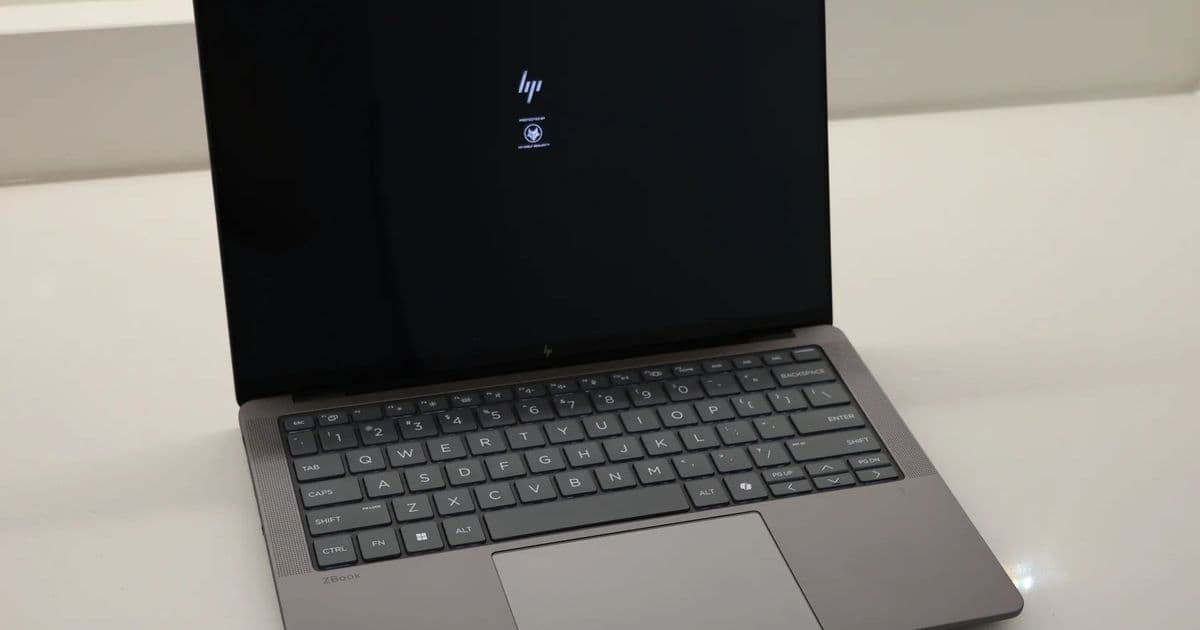
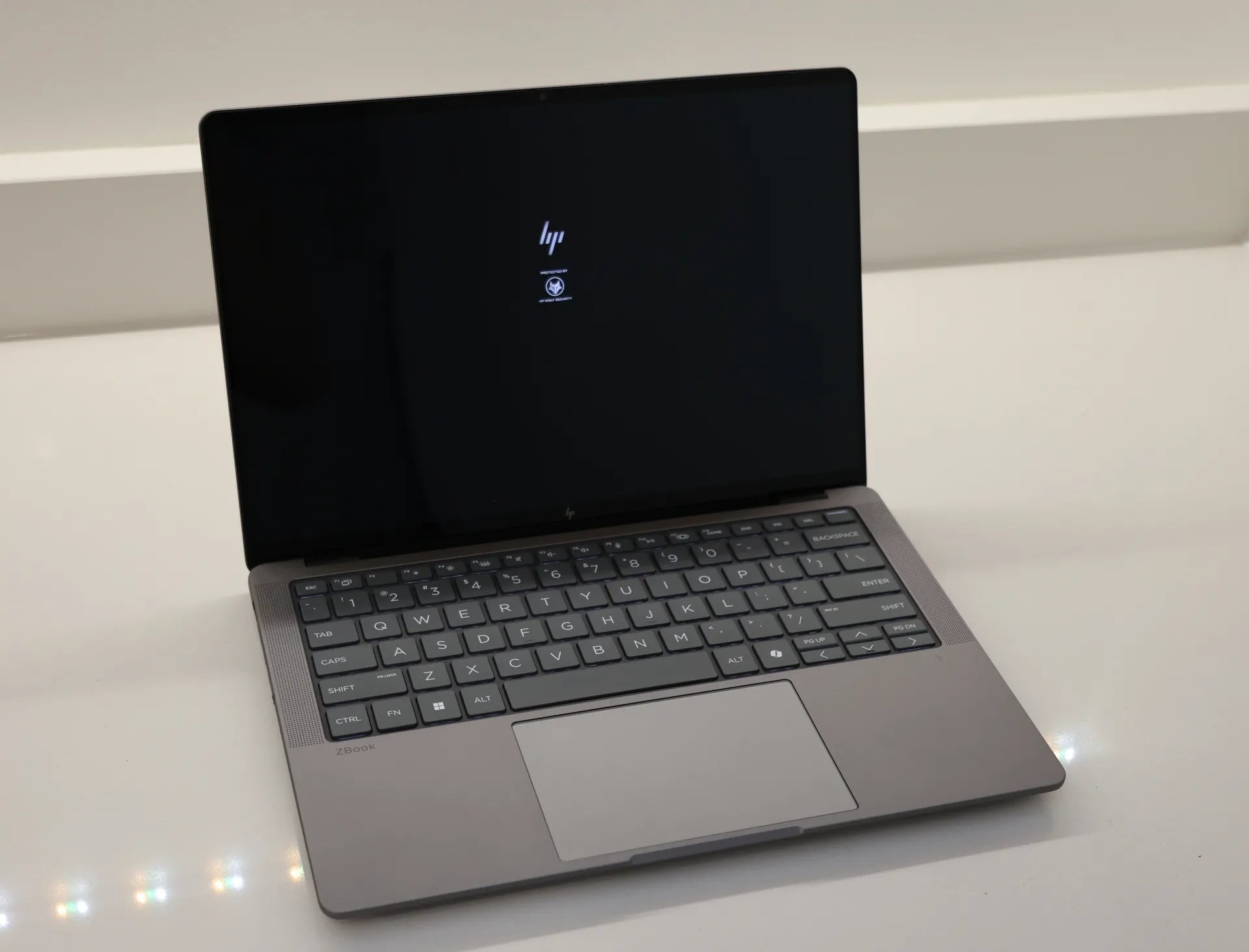
Despite the comprehensive nature of the Linux 7.0 media updates, one highly anticipated driver remains absent: the AMD ISP4 driver for the image signal processor found in the HP ZBook Ultra G1a and future high-end AMD Ryzen laptops.
The HP ZBook Ultra G1a Context
The HP ZBook Ultra G1a, featuring the Ryzen AI Max+ 395 processor, represents a significant milestone in mobile computing. This workstation-class laptop combines AMD's latest AI-focused processor with professional-grade features, making it an attractive option for Linux users in creative and technical fields.
However, the review unit provided to Phoronix had to be returned to HP, preventing further benchmarking and Linux testing. This return means that comprehensive performance data for the ZBook Ultra G1a under Linux remains unavailable, leaving potential buyers without crucial information for their purchasing decisions.
AMD ISP4 Driver Status
Coincidentally, the v8 patches for the AMD ISP4 driver were released on the same day as the Linux 7.0 media driver merge. This timing suggests that the driver development is progressing, but it wasn't quite ready for inclusion in the Linux 7.0 cycle.
The continued development and cleanup of the AMD ISP4 driver code indicates that the maintainers are working diligently to ensure its quality and compatibility before merging it into the mainline kernel. This cautious approach is typical for complex drivers that interact closely with hardware-specific features.
Implications for Linux Laptop Users
The absence of the AMD ISP4 driver in Linux 7.0 means that users of the HP ZBook Ultra G1a and future AMD Ryzen AI Max laptops will need to wait for subsequent kernel releases to fully utilize their image signal processing capabilities. This delay could affect camera performance, video processing features, and potentially power management related to the ISP hardware.
For enterprise and professional users who rely on these capabilities, the missing driver represents a significant limitation. The ZBook Ultra G1a's target market includes content creators, engineers, and other professionals who depend on robust multimedia functionality.
Looking Forward
The Linux 7.0 media driver updates demonstrate the kernel's ongoing commitment to multimedia support and hardware compatibility. The comprehensive nature of these changes, particularly the AV1 acceleration support, positions Linux well for future multimedia workloads and emerging video standards.
However, the continued absence of the AMD ISP4 driver highlights the challenges of maintaining timely support for cutting-edge hardware. As laptop manufacturers increasingly integrate specialized image processing hardware, the pressure on kernel developers to provide timely support will only increase.
For users eagerly awaiting the AMD ISP4 driver, the release of v8 patches suggests that progress is being made. The driver's eventual inclusion in the mainline kernel will be a significant milestone for Linux laptop support, particularly for high-end mobile workstations.
The Linux 7.0 kernel, with its comprehensive media driver updates, is expected to be released in the coming months, following the traditional kernel development cycle. Users and distributions will then need to evaluate when to adopt this new kernel version, balancing the benefits of the new media features against the stability requirements of their specific use cases.
Comments
Please log in or register to join the discussion