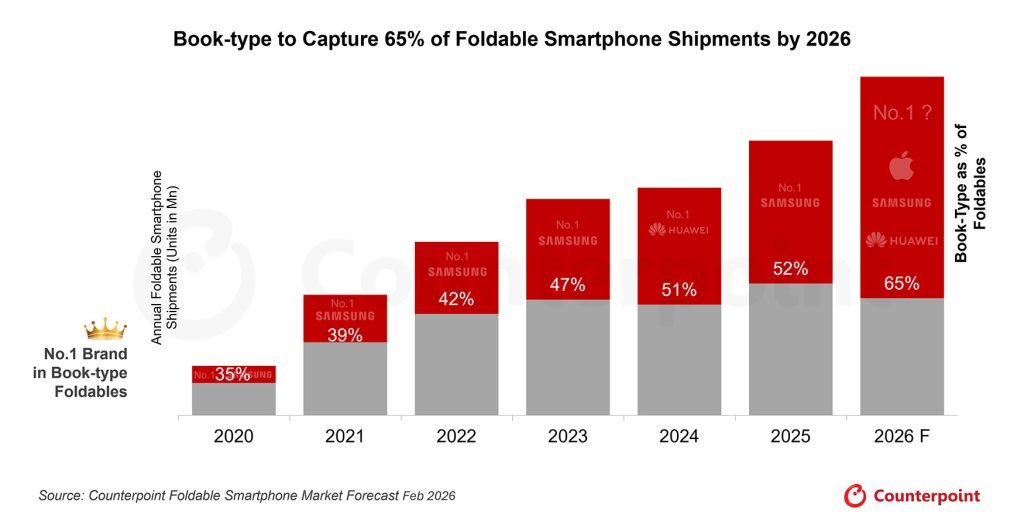
Counterpoint Research predicts Apple's entry into the foldable market will accelerate book-style device adoption to 65% of foldable shipments by 2026, forcing developers to prioritize dual-screen experiences.
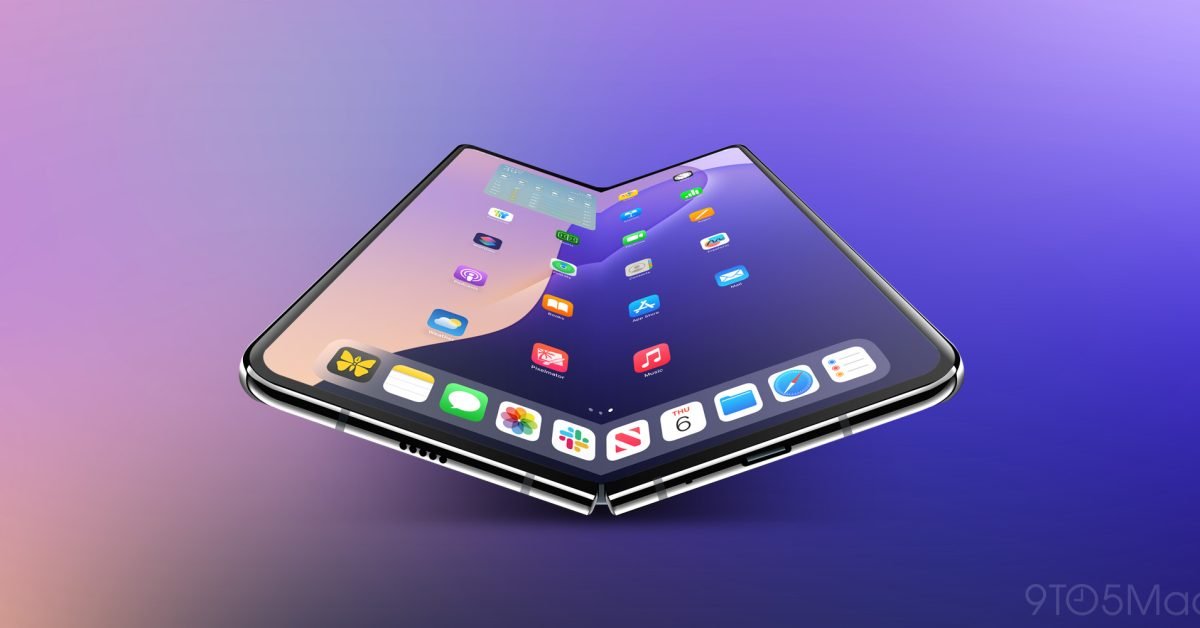
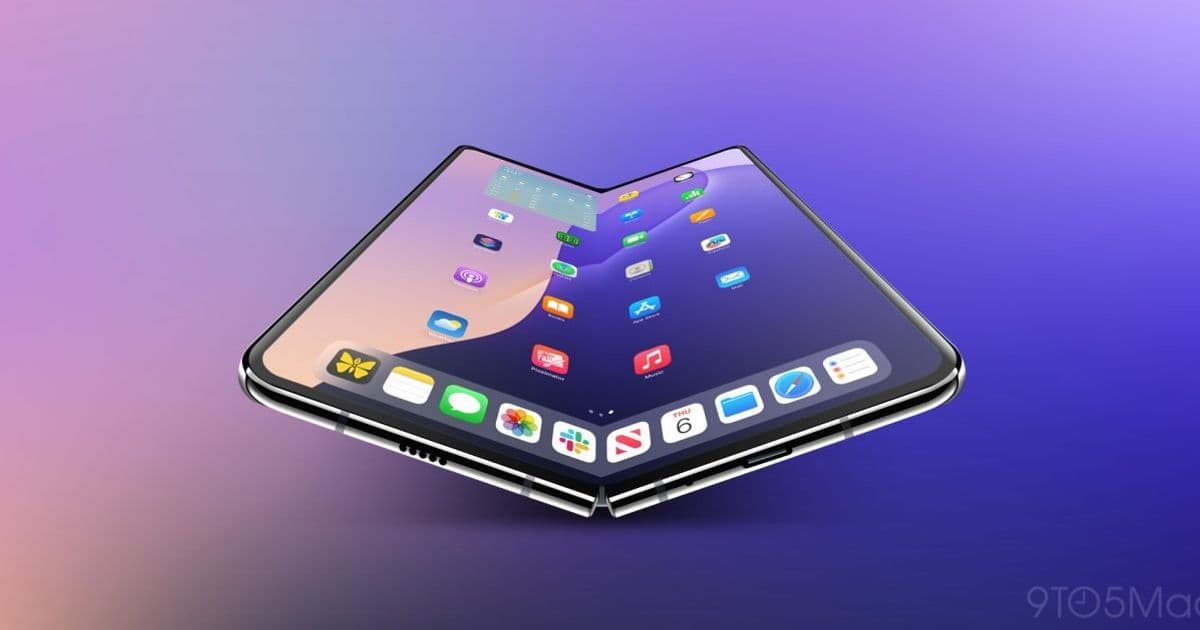
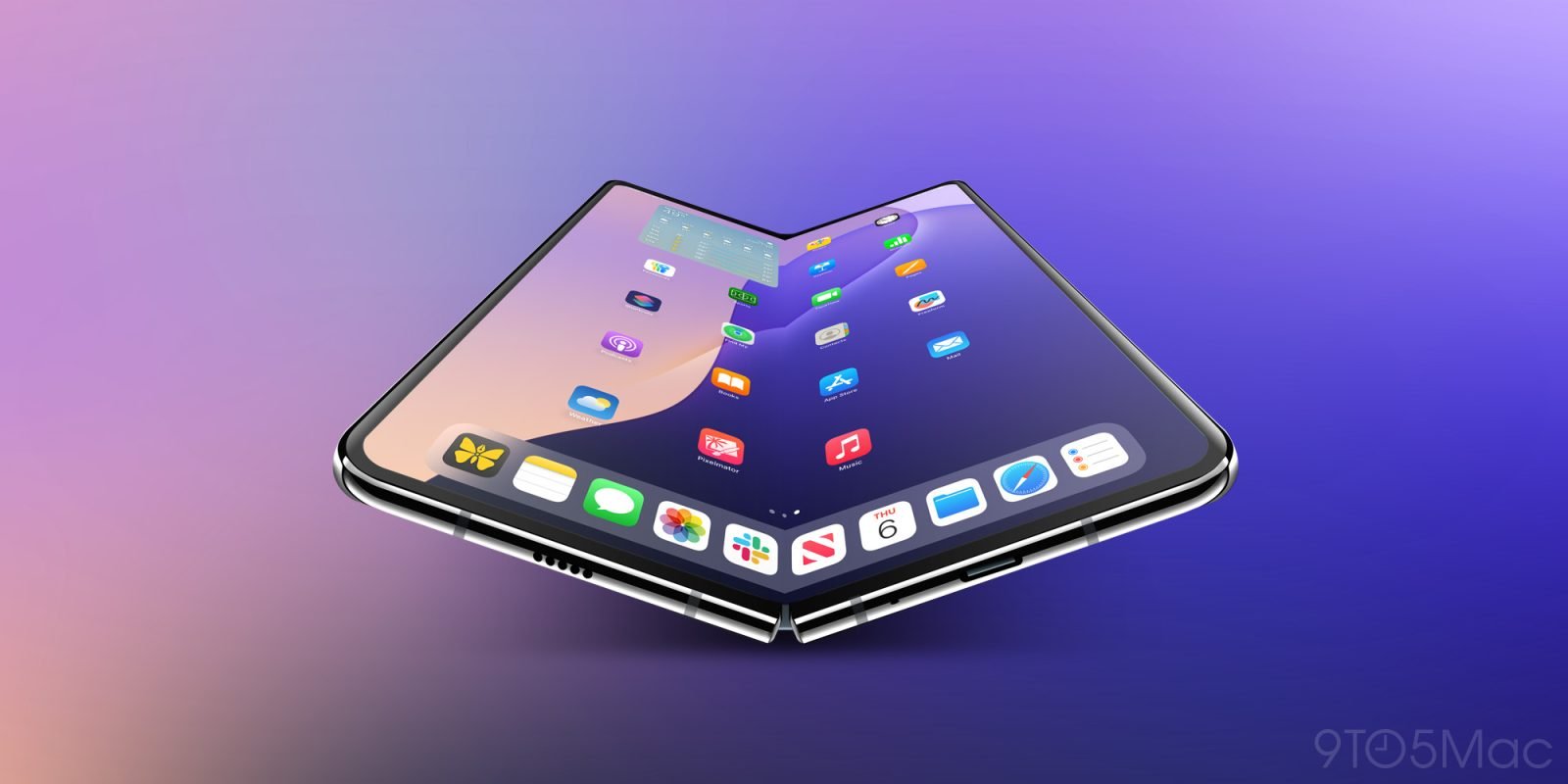
Apple's anticipated entry into the foldable phone market represents more than just another hardware release—it signals a fundamental shift in mobile development priorities. According to Counterpoint Research, Apple's rumored book-style foldable iPhone (expected to feature a 5.5-inch outer display and 7.8-inch inner display) will propel book-type foldables to dominate 65% of total foldable shipments by 2026, up from 52% in 2025. This seismic shift demands immediate attention from mobile developers building for iOS and Android ecosystems.
Platform-Specific Development Implications
For iOS developers, Apple's foldable debut necessitates mastering new UIKit and SwiftUI paradigms for state preservation during folding transitions. Unlike traditional iPhones, foldables require:
- Seamless activity continuity between displays to prevent app reloads
- Adaptive layout constraints that respond to multiple aspect ratios
- Dual-pane navigation patterns optimized for productivity workflows
- Hinge-aware UI elements that avoid content occlusion
Android developers face similar challenges but must account for greater hardware fragmentation. While Samsung's foldables currently dominate the Android foldable market, Apple's entry will likely accelerate OEM adoption of book-style form factors across both platforms.
Ecosystem Readiness Becomes Critical
Counterpoint Research Associate Director Liz Lee emphasizes that differentiation will increasingly depend on "software experience and ecosystem readiness." This translates to concrete development requirements:
- Multi-window support: Implementing drag-and-drop between app instances
- Dynamic content scaling: Text reflow and image reconfiguration during folding
- Context-aware input: Adapting to keyboard/touch input based on posture
- State restoration: Preserving scroll position and UI state across displays
Apple's strict App Store review process will likely enforce these patterns rigorously, potentially establishing de facto standards for foldable interfaces that Android developers will need to follow.
Technical Constraints and Opportunities
The report notes that memory supply shortages favor book-style foldables due to their premium specifications. For developers, this means:
- Increased minimum requirements: Foldables typically ship with 12GB+ RAM
- Optimization priorities: Memory-hungry features may need re-architecture
- Testing complexity: Requires new device labs with folding prototypes
Interestingly, while Apple explores clamshell designs according to Bloomberg, the immediate focus remains on book-style devices. Developers should prioritize book-style layouts but maintain flexible architectures for future form factors.
Actionable Developer Steps
- Audit existing apps for folding compatibility using Android's Foldable Emulator and await Apple's equivalent tools
- Implement constraint-based layouts using Auto Layout (iOS) and ConstraintLayout (Android)
- Adopt Activity Embedding patterns for multi-pane interfaces
- Monitor Apple's Human Interface Guidelines for foldables (expected post-launch)
As Counterpoint notes, Apple's entry will "materially influence leadership dynamics" in the foldable space. Developers who proactively adapt will gain first-mover advantage in what's projected to become a $30B market by 2027.
Comments
Please log in or register to join the discussion