TikTok's US-based ownership introduces a hyper-local content feed requiring platform-specific location permissions, presenting new considerations for mobile developers implementing geo-aware features.
TikTok's transition to American ownership under TikTok USDS Joint Venture LLC has yielded its first major US-exclusive feature: A dedicated Local Feed tab designed to surface neighborhood-specific content. This development introduces nuanced location-sharing requirements that warrant close attention from mobile developers building similar geo-contextual features.
Platform-Specific Location Implementation
The Local Feed leverages device GPS data to curate content around travel, events, restaurants, and local businesses. 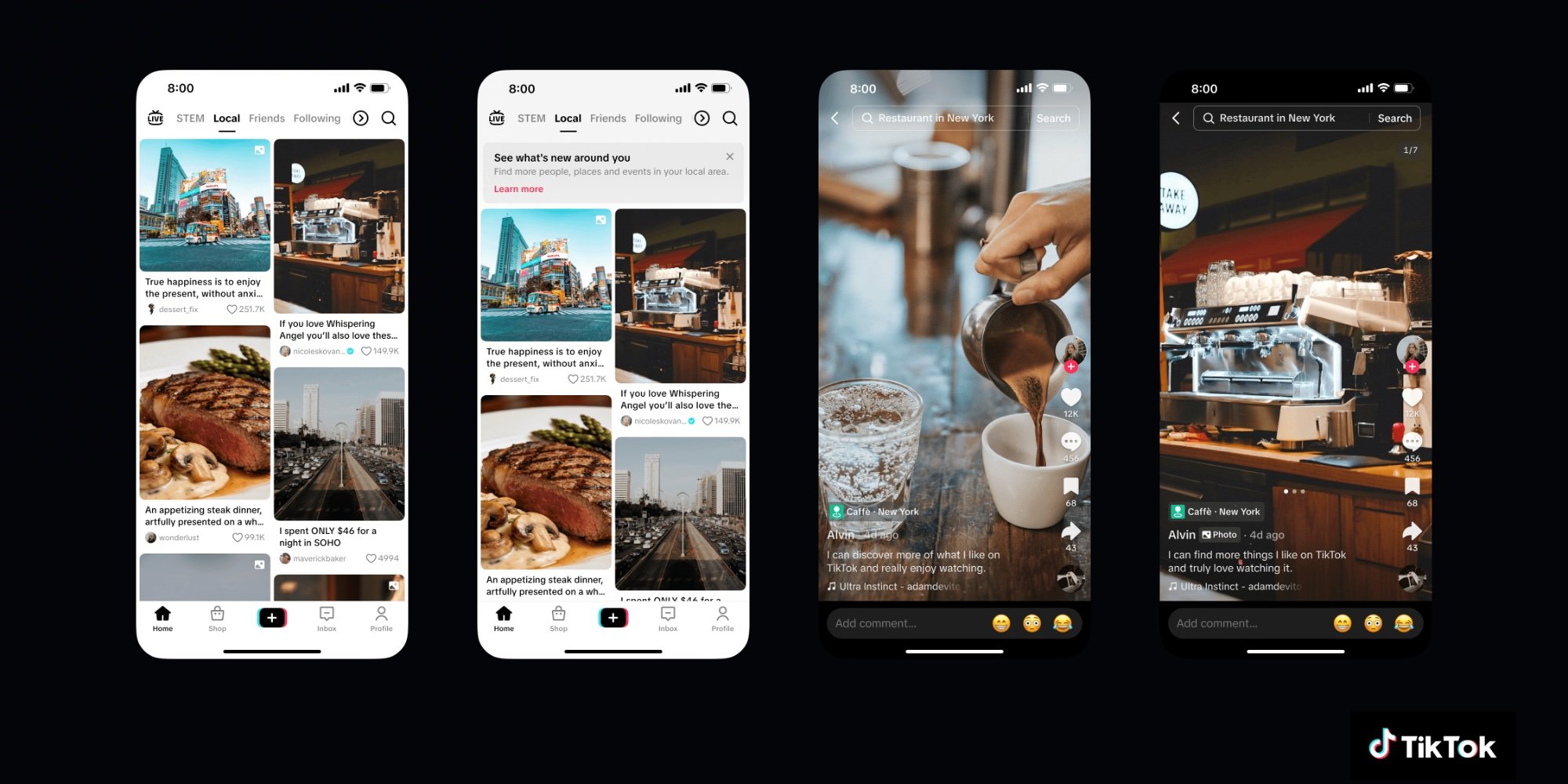 Crucially, TikTok implements distinct privacy safeguards aligned with iOS and Android platform norms:
- Precise Location toggle (iOS): Mirroring Apple's location privacy model (Apple Developer Documentation), TikTok added an opt-in precise GPS setting disabled by default. When enabled, iOS's persistent location indicator appears per Apple's Human Interface Guidelines.
- Android Runtime Permissions: On Android, the feature uses the standard ACCESS_FINE_LOCATION permission with comparable age restrictions and in-use-only collection.
Developer Considerations
Permission Architecture
Developers implementing similar features must account for:
- Platform-Specific Defaults: iOS defaults precise location to off; Android requires explicit runtime permission requests
- Location Fallbacks: Designing graceful degradation when users deny precise access (e.g., using IP-based approximate location)
- Age Gating: Enforcement mechanics differ significantly between iOS' Age API and Android's Age API
Cross-Platform Challenges
 Key discrepancies requiring platform-specific code paths:
| Component | iOS Implementation | Android Implementation |
|---|---|---|
| Permission Prompt | CLLocationManager with precision toggle |
ActivityCompat.requestPermissions for ACCESS_FINE_LOCATION |
| Active State Indication | Blue location indicator (system-controlled) | Requires custom status bar icon per Material Design |
| Background Handling | Requires NSLocationAlwaysUsageDescription |
Needs ACCESS_BACKGROUND_LOCATION permission |
Migration Recommendations
For developers adding geo-contextual features:
- Target Modern SDKs: Requires iOS 14+ (precision toggle) and Android 10+ (background location restrictions)
- Privacy Manifest (iOS): Declare location usage reasons in
NSLocationWhenInUseUsageDescription - Scoped Storage (Android): Isolate location data within app-specific storage
- Cross-Platform Libraries: Consider React Native Geolocation Service or Flutter Geolocator for unified API surfaces
While TikTok's implementation demonstrates sophisticated platform adaptation, developers should note the elevated review scrutiny geo-features attract. Both Apple's App Store (Guideline 5.1.1) and Google Play require explicit justification for location data usage, particularly for features targeting minors.
The Local Feed represents a growing trend toward hyper-local content delivery, but its success hinges on transparent privacy practices that respect platform-specific user expectations - a balance all mobile developers must strike when working with sensitive device sensors.
Comments
Please log in or register to join the discussion