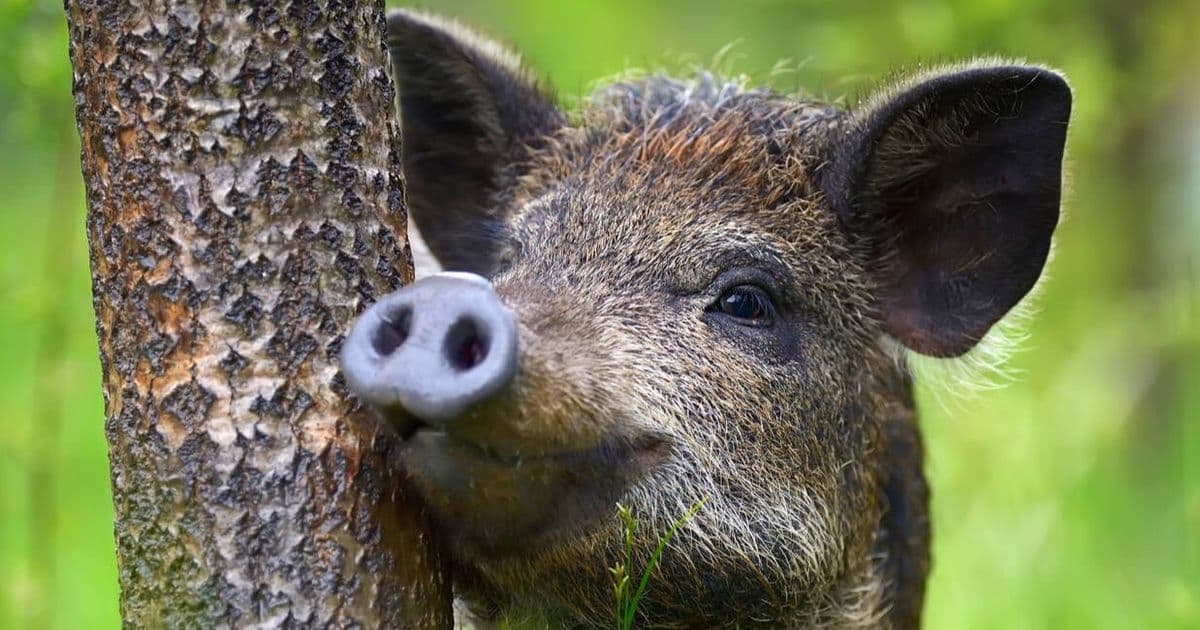
New genetic research reveals how abandoned domestic pigs rapidly altered wild boar populations in Fukushima's nuclear exclusion zone through accelerated reproductive cycles inherited from maternal lines.
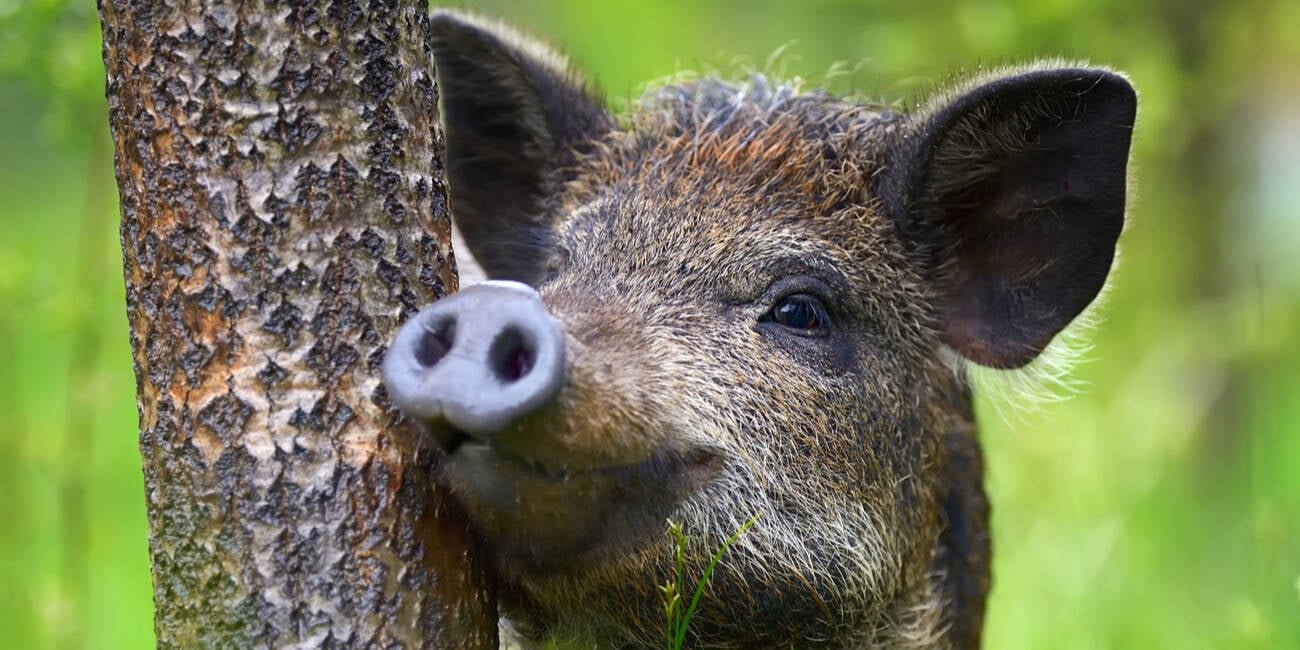
A landmark genetic study published in the Journal of Forest Research has uncovered how domestic pigs abandoned after the 2011 Fukushima nuclear disaster fundamentally reshaped wildlife genetics in the exclusion zone. Contrary to early sensational reports of "radioactive mutant pigs," researchers from Fukushima University and Hirosaki University found domesticated sows accelerated genetic hybridization through unique reproductive traits.
The research analyzed 243 DNA samples from wild boar and hybrid pigs across Fukushima's evacuation zone. Mitochondrial DNA tracing revealed domestic females played a disproportionate role in early hybridization events. This maternal inheritance proved critical because domesticated pigs breed year-round rather than seasonally like wild boar. The study documented how this accelerated reproductive cycle enabled faster generational turnover, rapidly spreading domestic genes through the population.
Professor Shingo Kaneko, lead researcher, explained: "The rapid reproductive cycle of domestic swine, inherited through maternal lines, created a biological accelerator effect. While nuclear DNA shows hybrids are gradually returning to wild boar genetics through backcrossing, the initial domestic influence permanently altered the population's evolutionary trajectory."
The findings have significant implications for invasive species management globally. Regions facing wild pig-boar hybridization in Europe, North America, and Asia can now anticipate how quickly hybrid traits spread. Donovan Anderson, co-author, noted: "This mechanism likely occurs wherever feral pigs interbreed with wild populations. Recognizing maternal lineage's role in generation turnover helps predict population explosion risks."
Wildlife managers can apply these insights to develop targeted containment strategies. Authorities might prioritize monitoring female lineage spread or implement breeding season interventions where hybridization threatens ecosystems. The Fukushima case demonstrates how abruptly abandoned domesticated animals can trigger rapid genetic changes in wild populations, a scenario increasingly common in areas affected by human displacement or natural disasters.
Radiation exposure played no detectable role in the genetic changes, with cesium-137 levels having no measurable impact on hybridization patterns. The study instead highlights how human activities—in this case, the sudden depopulation of an area containing livestock—can create unexpected ecological consequences that unfold through biological mechanisms.
Comments
Please log in or register to join the discussion