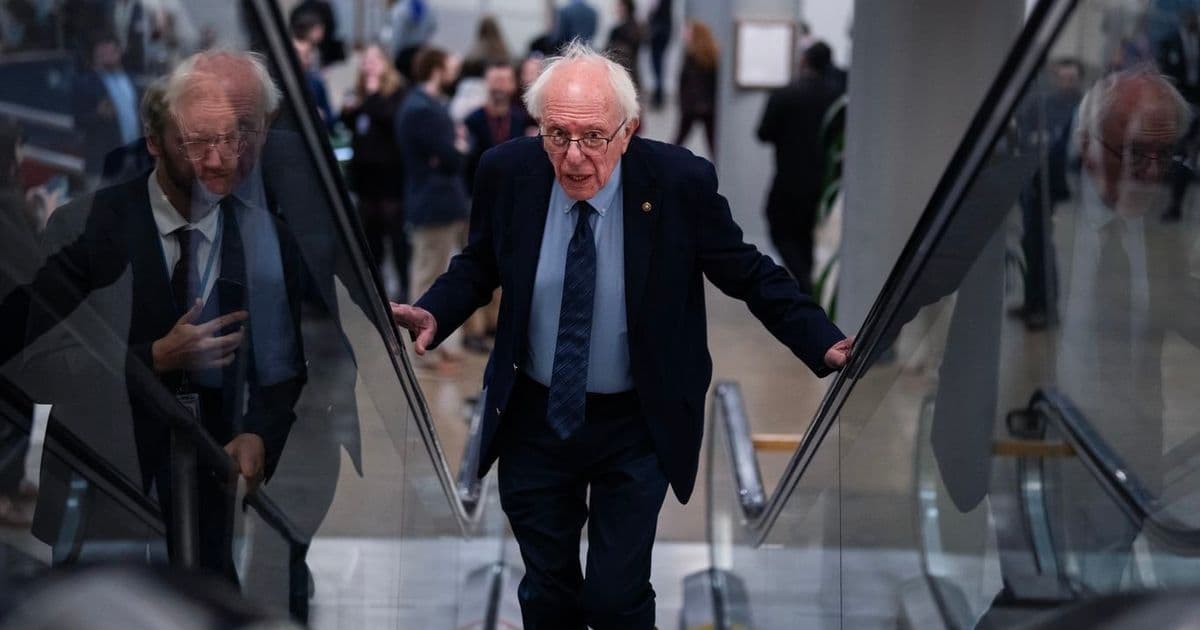
Senator Bernie Sanders is strategizing for the next major progressive victory, signaling continued influence in shaping the Democratic Party's future direction.
Senator Bernie Sanders is already setting his sights on the left's next major political victory, positioning himself as a key architect of progressive strategy heading into the next election cycle.
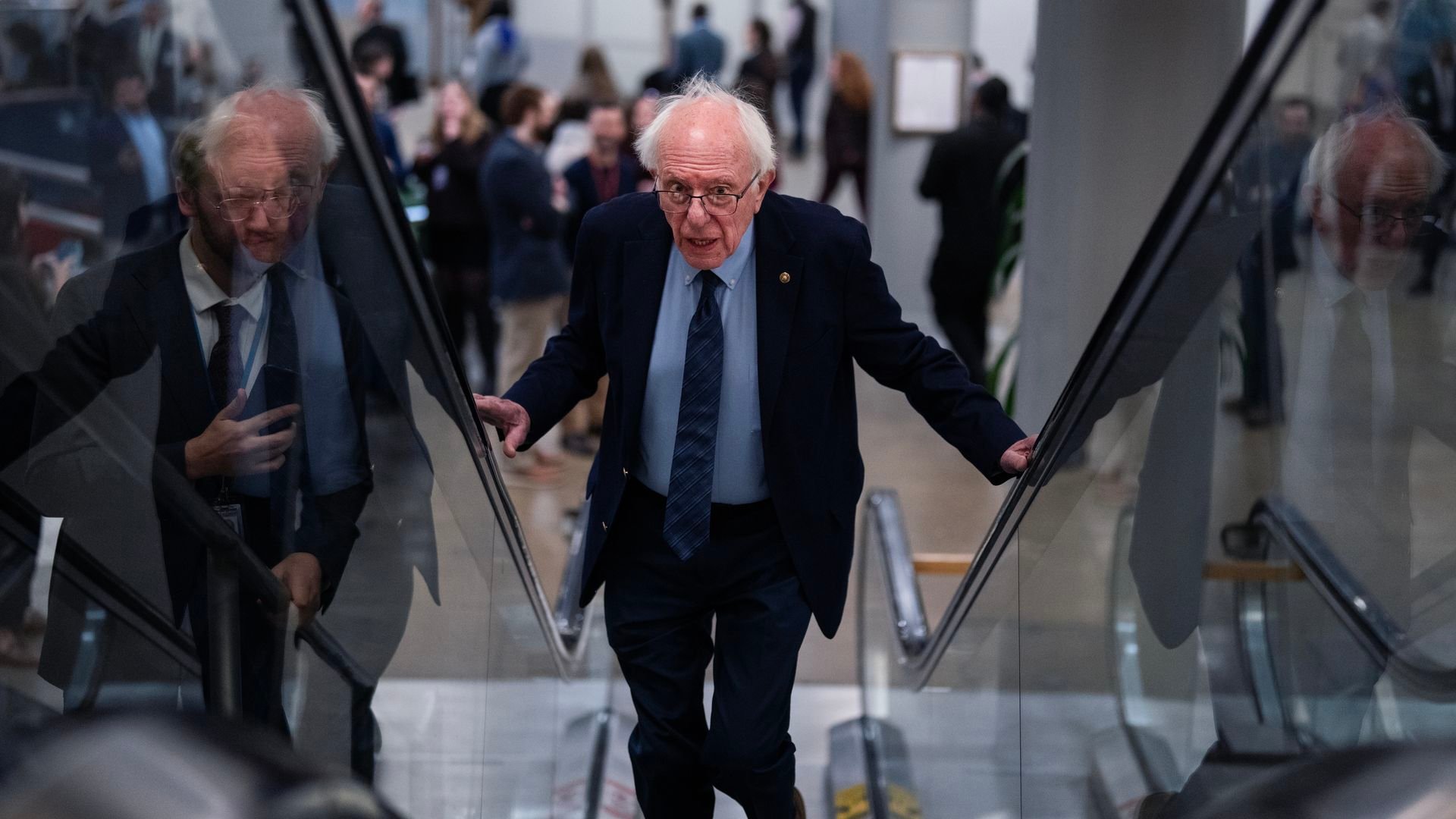
The Vermont senator, who has consistently pushed the Democratic Party toward more progressive policies, is reportedly working behind the scenes to identify and support candidates who align with his vision for economic and social reform. Sources close to Sanders indicate he's particularly focused on races where progressive challengers could unseat more moderate incumbents.
This strategic positioning comes as the Democratic Party continues to grapple with its identity and direction following recent electoral setbacks. Sanders' approach appears to be twofold: building a bench of progressive candidates while simultaneously pushing the party platform further left on issues like healthcare, climate change, and economic inequality.
Political analysts note that Sanders' influence extends beyond his own potential candidacy. His ability to mobilize grassroots support and small-dollar donors has made him a kingmaker in Democratic primaries, with several progressive victories in recent years directly attributable to his endorsement and organizational support.
The timing of this strategic push is significant. With midterm elections approaching and the 2028 presidential race already taking shape, Sanders is positioning himself to shape the narrative and candidate selection process early. His focus on building progressive infrastructure suggests he's playing a longer game than simply seeking another presidential run.
Key races being targeted reportedly include open Senate seats in states with strong progressive bases, as well as House districts where demographic shifts could favor more left-leaning candidates. The strategy appears designed to both expand the progressive caucus in Congress and push the party's overall policy agenda further left.
Sanders' approach represents a continuation of the political revolution he launched during his 2016 presidential campaign, which fundamentally altered the Democratic Party's policy landscape. Issues that were once considered fringe positions - such as Medicare for All and a $15 minimum wage - have now become mainstream Democratic talking points, largely due to Sanders' persistent advocacy.
The senator's current efforts suggest he's not content with simply influencing policy from the sidelines. Instead, he's actively working to ensure that the next generation of Democratic leaders shares his progressive vision, potentially reshaping American politics for years to come.
Comments
Please log in or register to join the discussion