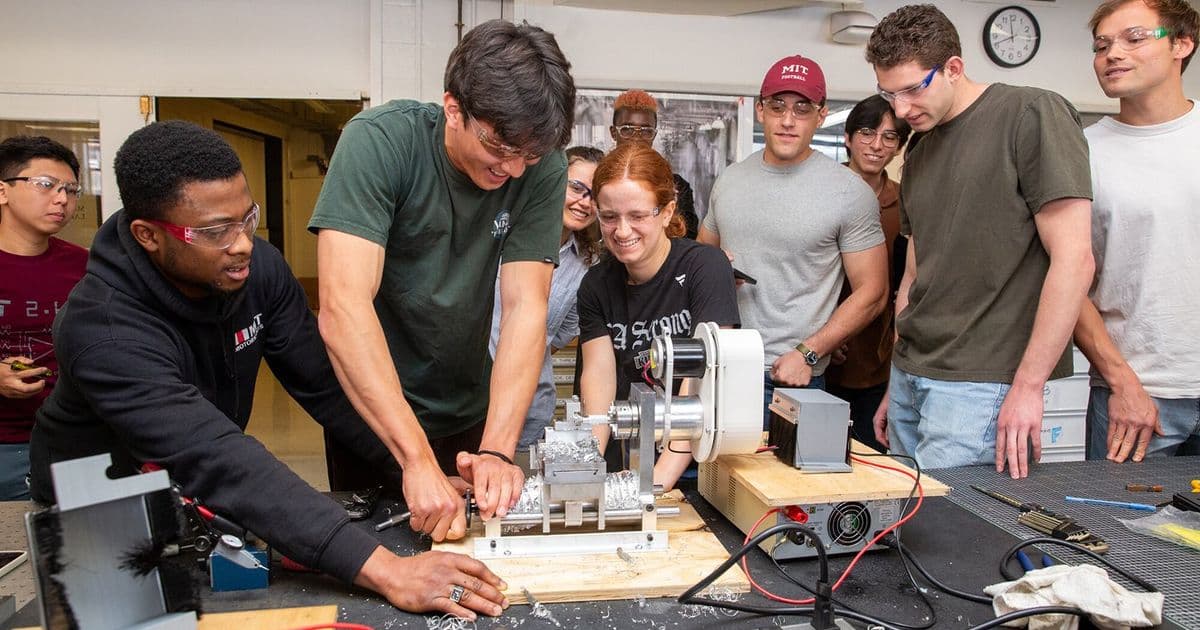
MIT's renowned mechanical engineering course challenges students to build precision lathes that must withstand rigorous testing, bridging theoretical knowledge with real-world engineering challenges.
In the world of mechanical engineering education, few courses embody the principle of 'learning by doing' as profoundly as MIT's 2.72/2.270 (Elements of Mechanical Design). This challenging course, taught by Martin Culpepper, the Ralph E. and Eloise F. Cross Professor in Manufacturing, transforms theoretical knowledge into tangible skills through an intensive project-based curriculum that culminates in students building functional lathes capable of meeting extreme performance standards.
The course philosophy, as articulated by Culpepper, is both simple and profound: "If it doesn't break the laws of physics, it's possible; you just have to figure out how to engineer it." This principle guides students through the complex process of designing and manufacturing precision machines from first principles. The curriculum combines advanced modeling and analysis with rigorous application of physics, mathematics, and core mechanical engineering principles, creating a comprehensive educational experience that prepares students for real-world engineering challenges.
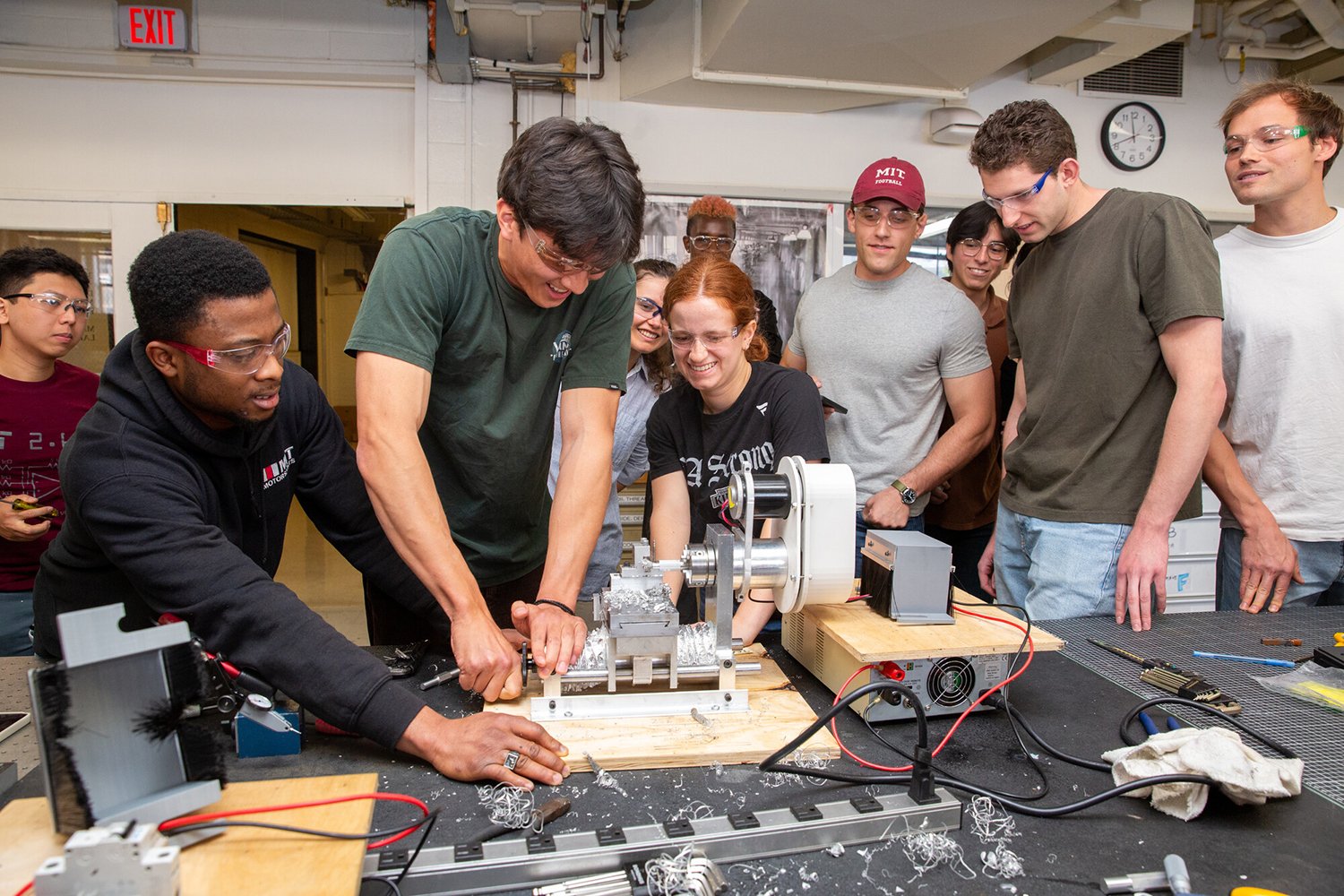
What sets this course apart is its emphasis on practical application. Students engage in hands-on experiences that reinforce theoretical concepts through tangible projects. The course covers essential machine elements including bearings, bolts, belts, flexures, and gears, providing students with a toolkit of fundamental components they'll encounter throughout their engineering careers.
The centerpiece of the course is the lathe-building project, where teams design and construct precision lathes that must meet three critical challenges: precision, material removal rate, and structural durability. "All of our lathes are required to cut to within 50 microns of precision," explains MechE graduate student Amber Velez. This level of precision demands meticulous attention to detail in every aspect of the design and manufacturing process.
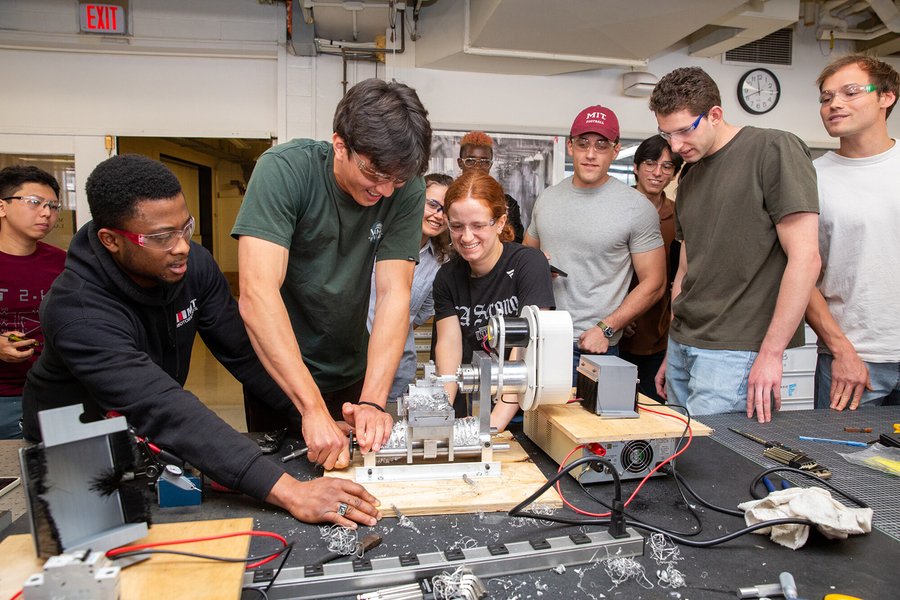
The material removal competition adds an element of performance engineering to the curriculum. Teams compete to see who can reduce a one-inch diameter stock piece the fastest. Velez's team achieved this impressive feat in approximately 27 seconds, demonstrating the practical application of engineering principles to optimize performance metrics.
Perhaps the most distinctive aspect of the course is the infamous "death test," where Culpepper subjects the finished lathes to extreme physical stress. "Marty takes all our lathes and drops them and hits them with a hammer, and if they explode, you don't pass the class," explains graduate student Sarah Stoops. This seemingly harsh final examination serves a critical purpose: teaching resilience and perseverance in engineering design.
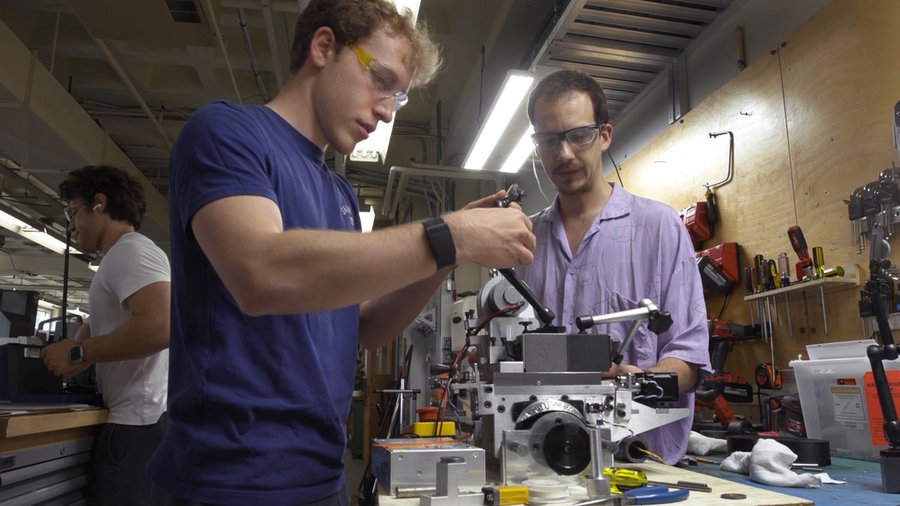
"The students are very resilient. They learn to persevere and take some time to try and figure things out, and through that process, you learn so much," observes Hannah Gazdus, a teaching assistant for the course. This approach to engineering education recognizes that failure is not just inevitable but valuable, providing crucial learning opportunities that theoretical coursework cannot replicate.
The course effectively addresses a common challenge in engineering education: the gap between theoretical knowledge and practical application. "The core classes are important — things like mechanics, materials, dynamics, controls — but many of them have a degree of abstraction that separates the content within those courses from the mechanical elements that you use in designing an actual machine," explains teaching assistant Yasin Hamed. "I feel like this class serves very well to bridge that and inspire that confidence as working engineers."
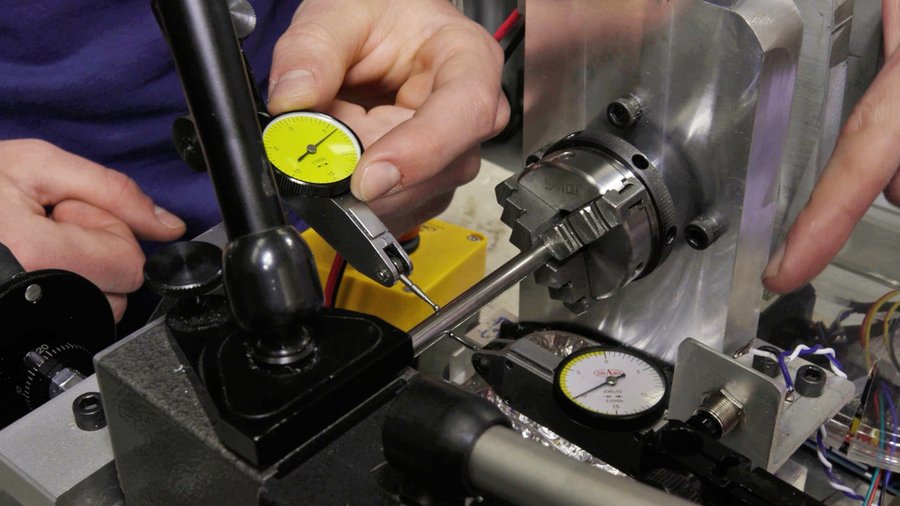
The educational approach of 2.72/2.270 reflects broader trends in engineering education that emphasize experiential learning and project-based curricula. By requiring students to build machines that must perform under real-world conditions, the course develops not just technical skills but also problem-solving abilities, teamwork, and practical ingenuity.
For mechanical engineering specifically, this hands-on approach is particularly valuable. The field has evolved significantly with the integration of computational tools and advanced materials, but the fundamental principles of mechanical design remain constant. Courses like 2.72/2.270 ensure that future engineers understand not just how to use modern tools, but how to apply fundamental principles to create innovative solutions.
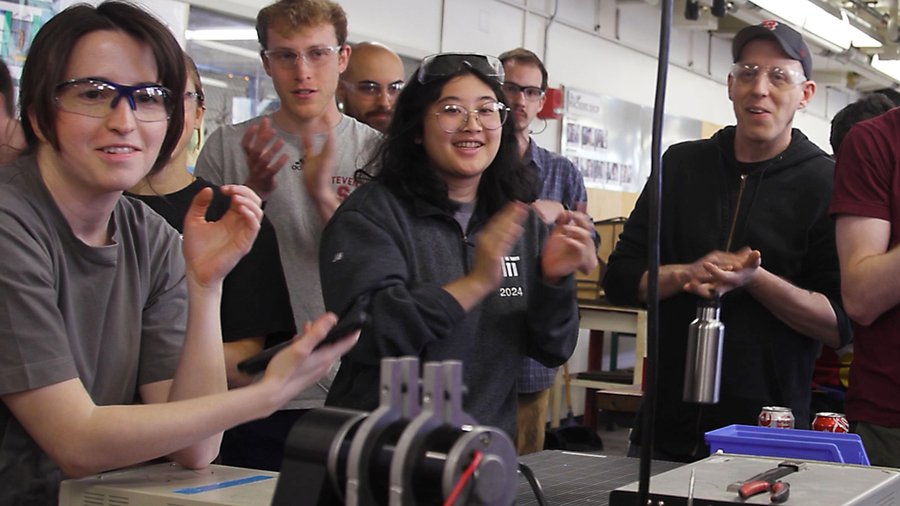
The impact of this educational approach extends beyond the classroom. Graduates of the course enter the workforce with practical experience that bridges the gap between academic theory and industrial practice. They understand the challenges of real engineering projects, from manufacturing constraints to material limitations, and possess the problem-solving skills necessary to navigate complex technical challenges.
As mechanical engineering continues to evolve with advances in automation, robotics, and smart materials, the principles taught in courses like 2.72/2.270 remain foundational. The ability to design and build functional mechanical systems that perform reliably under real-world conditions will continue to be essential, regardless of technological advancements.
For more information about MIT's mechanical engineering program, visit the Department of Mechanical Engineering website. Details about specific courses can be found through the MIT Course Catalog.
Comments
Please log in or register to join the discussion