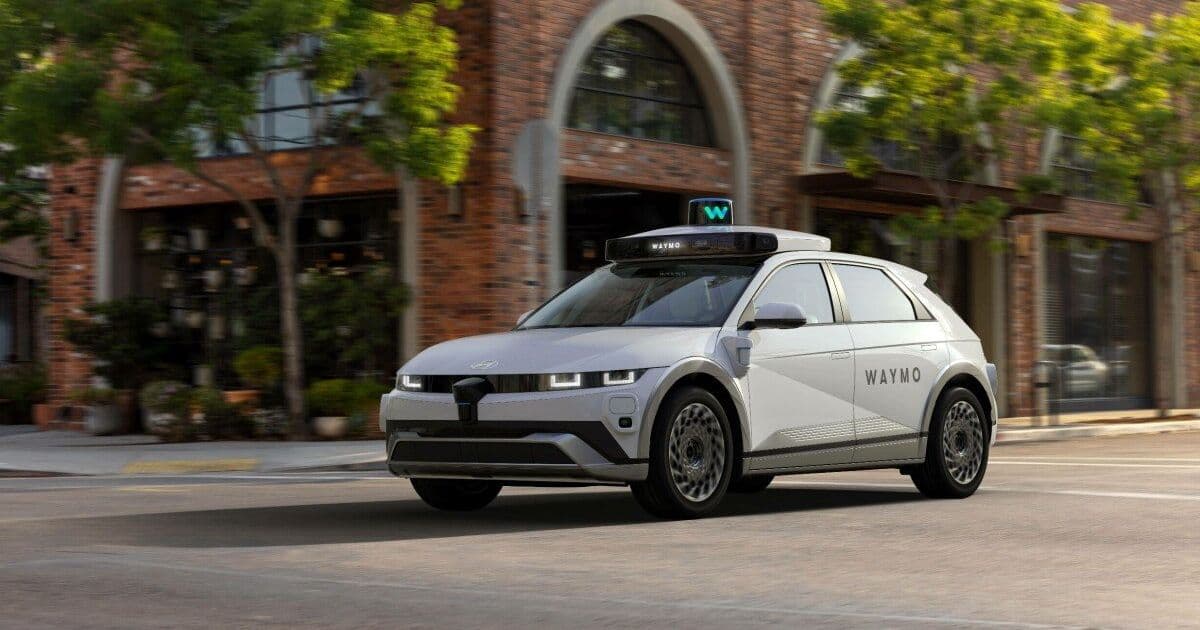
Waymo has issued a voluntary recall of 3,791 autonomous vehicles after software flaws caused vehicles to enter flooded roadways, raising serious questions about safety protocols and regulatory oversight in the autonomous vehicle industry.
Waymo, Alphabet's autonomous vehicle subsidiary, has issued a voluntary recall of nearly 4,000 robotaxis following a critical software flaw that allows vehicles to drive into flooded roadways on high-speed routes. The recall affects all 3,791 cars equipped with Waymo's fifth and sixth-generation Automated Driving Systems (ADS), highlighting significant safety concerns in the rapidly expanding autonomous vehicle industry.
The Software Flaw and Immediate Response
According to documents filed with the National Highway Traffic Safety Administration (NHTSA), Waymo's software may "allow the vehicle to slow and then drive into standing water on higher speed roadways." The company acknowledged that "entering a flooded roadway can cause a loss of vehicle control, increasing the risk of crash or injury."
The recall was triggered by an incident in San Antonio, Texas on April 20, 2026, where a Waymo vehicle was caught on video driving into floodwater and becoming stuck. The company confirmed that the vehicle "detected potentially untraversable flood water and proceeded at reduced speed" before entering the flooded section.
Waymo implemented an interim fix on April 20, which "increased weather-related constraints and updated the vehicle maps." However, the company determined a full recall was necessary while it develops a more permanent solution. The company has suspended its services in San Antonio and continues to keep them suspended as of this writing.
Regulatory Framework and Legal Implications
The recall represents a significant moment for autonomous vehicle regulation in the United States. While Waymo characterized the action as "voluntary," recalls of this magnitude are typically conducted under the oversight of NHTSA, which has the authority to mandate recalls if a manufacturer fails to act appropriately.
"This recall underscores the critical importance of robust safety validation for autonomous systems," said Dr. Sarah Jenkins, a transportation safety expert at the Consumer Privacy Foundation. "When software controls vehicles weighing several tons, the potential consequences of design flaws are catastrophic."
Under existing federal regulations, manufacturers are required to report safety defects to NHTSA within five business days of determining that a safety defect exists. The recall process typically involves identifying the affected population, developing a remedy, and implementing a plan to notify owners and repair the vehicles.
Impact on Users and Public Trust
For the hundreds of thousands of passengers who have used Waymo's services, the recall raises serious questions about the safety of autonomous technology. Waymo currently operates 24/7 driverless robotaxi services in eight major US cities: Dallas, Houston, Los Angeles, Miami, Nashville, Orlando, Phoenix, and the San Francisco Bay Area.
"The public has a right to expect that autonomous vehicles will be at least as safe as human-driven vehicles, if not safer," stated Michael Reynolds, executive director of the Digital Rights Foundation. "When companies fail to meet this basic expectation, it erodes public trust and slows the responsible adoption of beneficial technology."
The recall comes at a particularly sensitive time for Waymo, which is planning its first international expansion to London in September 2026. The company has already been testing vehicles in the UK with safety drivers, but the San Antonio incident may impact regulatory approvals and public reception abroad.
Industry-Wide Implications
Waymo's recall is not an isolated incident but part of a pattern of safety challenges facing autonomous vehicle companies. The company has previously faced criticism for incidents including vehicles allegedly ignoring red lights, veering into moving traffic, and collisions with animals.
"This recall should serve as a wake-up call for the entire autonomous vehicle industry," said Dr. Elena Rodriguez, a transportation policy analyst. "Safety cannot be an afterthought. Companies must implement more rigorous testing protocols, especially for edge cases like flooded roadways that may be rare but potentially catastrophic."
The financial implications of the recall are substantial. Beyond the direct costs of implementing fixes and suspending services, Waymo faces potential reputational damage that could affect its business model and investor confidence. The company's valuation is heavily dependent on its ability to demonstrate safety and reliability.
Path Forward: Technical and Regulatory Changes
Waymo has stated it is "working to implement additional software safeguards" and has put "mitigations in place, including refining our extreme weather operations during periods of intense rain, limiting access to areas where flash flooding might occur." However, the company has not provided a timeline for when a permanent solution will be implemented.
For regulators, the recall highlights gaps in current oversight frameworks. While traditional vehicle safety regulations have existed for decades, autonomous systems introduce new challenges that existing frameworks may not adequately address.
"We need updated regulatory standards specifically for autonomous vehicle software," suggested Congressman David Chen, who chairs the House Subcommittee on Transportation Technology. "These standards should require comprehensive testing of edge cases, transparent reporting of incidents, and clear accountability when safety failures occur."
As autonomous technology continues to advance, incidents like Waymo's floodwater recall will likely become more common unless companies implement more robust safety validation processes and regulators establish clearer guidelines for autonomous vehicle deployment.
The recall serves as a critical reminder that autonomous vehicles are not just technological marvels but systems that can directly impact public safety. As these technologies become more prevalent, the balance between innovation and safety will require careful attention from both industry and regulators.
For more information on vehicle recalls and safety standards, visit the NHTSA recall portal or the Waymo safety page.
Comments
Please log in or register to join the discussion