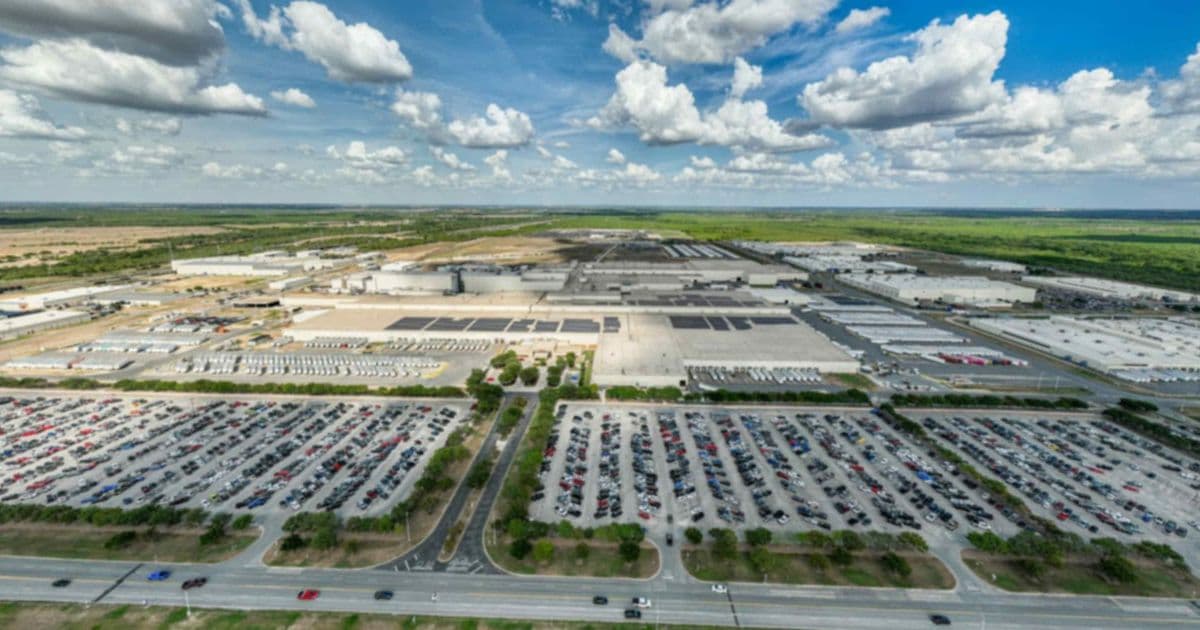
Japanese automotive giant Toyota Motor Corp. plans a $2 billion investment in a new vehicle assembly plant in San Antonio, Texas, targeting operations by 2030 as part of an accelerated North American production strategy amid evolving market conditions.
Toyota Motor Corp. has announced plans to invest $2 billion in constructing a new vehicle assembly plant in San Antonio, Texas, with operations slated to begin by 2030. The Japanese automaker recently filed this proposal with Texas state government officials, marking a significant expansion of its North American manufacturing footprint.
This investment comes at a pivotal moment for Toyota as the company recalibrates its global production strategy. The decision to expand manufacturing capacity in the United States reflects the company's commitment to the North American market while navigating shifting consumer preferences and intensifying competition in the automotive sector.
Strategic Market Positioning
The Texas facility represents more than just production capacity expansion—it's a strategic move to strengthen Toyota's position in the world's second-largest automotive market. By manufacturing vehicles locally, Toyota can potentially reduce supply chain vulnerabilities, mitigate tariff impacts, and better respond to regional demand fluctuations.
Industry analysts view this expansion as particularly significant given the current automotive landscape. Traditional automakers like Toyota face increasing pressure from both established competitors and new entrants, particularly in the electric vehicle segment. The timing of this investment suggests Toyota is pursuing a balanced approach, maintaining internal combustion engine production capabilities while presumably developing flexibility for future electrification.
North American Production Network Enhancement
Toyota currently operates 14 manufacturing plants in North America, including existing facilities in Texas. The new assembly plant would further integrate the company's North American production network, potentially allowing for more efficient distribution across the continent and reducing transportation costs.
This expansion aligns with Toyota's broader regionalization strategy, which emphasizes producing vehicles closer to where they are sold. The approach helps mitigate risks associated with global supply chain disruptions and trade tensions, which have become increasingly prevalent in recent years.
Financial Context and Industry Trends
The $2 billion investment represents a substantial commitment, though it falls within the range of major automotive manufacturing facilities. For comparison, Toyota's most recent major greenfield investment in North America was a $1.33 billion battery plant in North Carolina announced in 2023, part of its electrification strategy.
This announcement comes amid several significant shifts in the automotive industry:
Electrification Strategy Evolution: Recent reports indicate Honda is scaling back its aggressive EV push, suggesting some automakers are recalibrating their electrification timelines. Toyota has historically taken a more measured approach to EV adoption, focusing on hybrids and hydrogen technology while gradually expanding its EV offerings.
Profit Pressure: Toyota recently forecast a decrease in net profit for fiscal year 2026, citing Middle East tensions and other market challenges. The Texas investment demonstrates the company's continued commitment to long-term growth despite near-term profit concerns.
Market Competition: Suzuki is positioned to potentially pass Honda as Japan's No. 2 automaker, driven primarily by strong performance in India. Meanwhile, Chinese automakers like Chery are expanding international partnerships, including a planned EV brand launch with Japan's Autobacs Seven, intensifying global competition.
Workforce and Economic Impact
Beyond the corporate strategy implications, the Texas plant is expected to create significant employment opportunities. While specific job numbers haven't been disclosed, similar automotive assembly plants typically employ between 2,000-3,500 workers at peak production. The facility would also generate numerous indirect jobs in the surrounding supply chain ecosystem.
Texas has emerged as a growing hub for automotive manufacturing, with several major automakers having established significant presence in the state. The addition of Toyota's new plant would further solidify the state's position in the automotive industry landscape.
Future Production Considerations
The 2030 operational timeline suggests Toyota is planning for medium-term production needs. By that time, the automotive industry will likely be in a different phase of electrification transition, with battery technology potentially more mature and infrastructure more developed.
Industry observers will be watching to see which vehicle models Toyota plans to produce at the new facility. The company has not yet specified whether the plant will focus on traditional internal combustion engine vehicles, hybrids, or electric models, or potentially a flexible production setup capable of handling multiple powertrain types.
Global Manufacturing Strategy Context
This Texas investment should be viewed within the context of Toyota's global manufacturing strategy. The company has traditionally emphasized regional production networks that can respond to local market conditions while maintaining quality standards.
Toyota's global manufacturing footprint includes approximately 50 production facilities in 28 countries, with North America representing a significant portion of its overseas production capacity. The expansion in Texas appears consistent with the company's long-standing approach of building manufacturing capacity in key markets.
The announcement comes as Toyota continues to navigate the complex transition to new mobility technologies while maintaining its position as one of the world's largest automakers by production volume and revenue. The $2 billion investment represents a substantial vote of confidence in the long-term stability and growth potential of the North American automotive market.
As the automotive industry continues to evolve with increasing electrification, autonomous driving technologies, and new business models, Toyota's strategic investments in manufacturing capacity will play a crucial role in determining its competitive positioning in the decades ahead.
Comments
Please log in or register to join the discussion