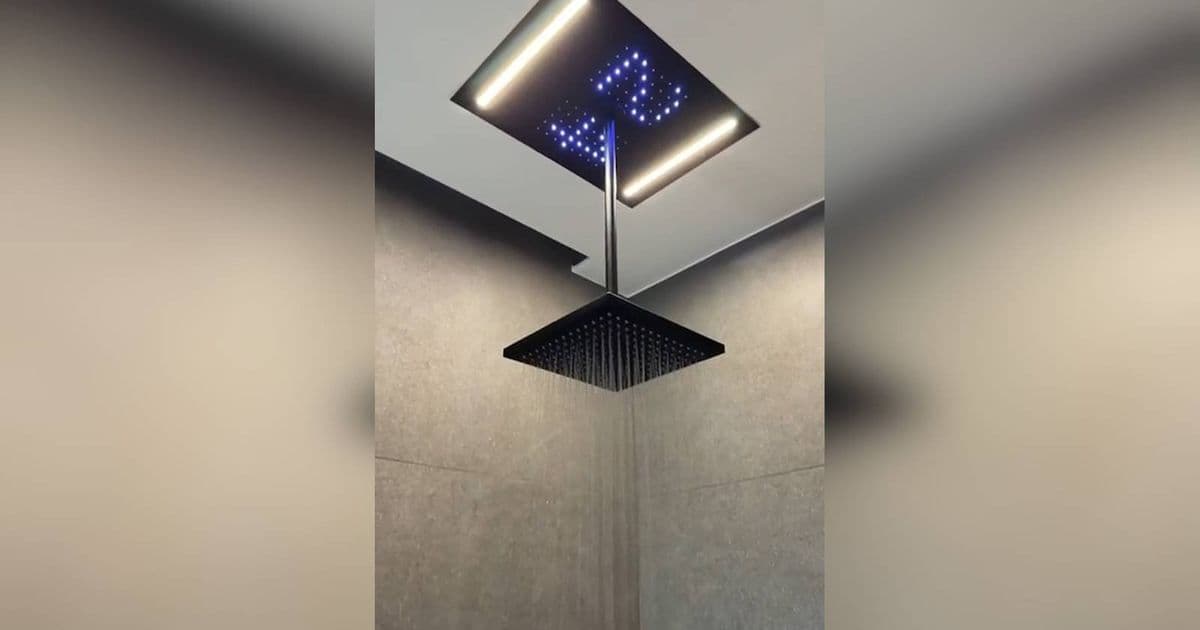
A creative ESP32 project transforms a leaking shower head into a real-time temperature display with color-coded warnings, demonstrating practical IoT applications for home safety.
When a ceiling-mounted shower head starts leaking, most people would simply replace it. But for the tinkerers and makers in our community, every problem is an opportunity to innovate. One Reddit user turned a leaky shower into an impressive IoT project, creating an ESP32-powered temperature display that eliminates the guesswork of shower water temperature.
The Problem: A Leaking Shower Head
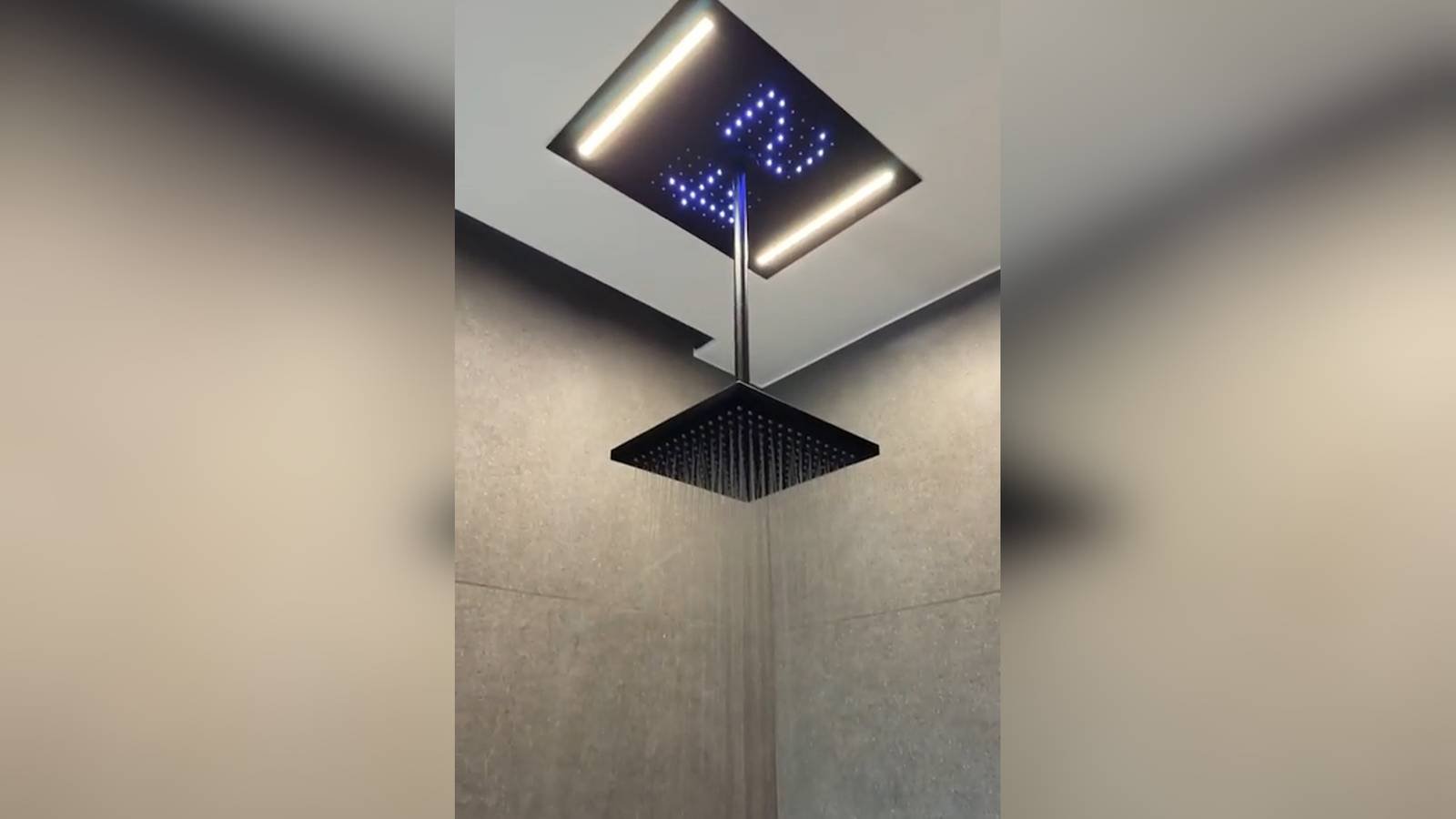
The project began with a common household issue: a leaking ceiling-mounted shower head. Rather than just replacing the fixture, the user saw an opportunity to create something more functional and technologically interesting. Their solution involved completely reimagining how shower temperature information is presented.
Technical Implementation: ESP32 + OneWire + LED Matrix
At the heart of this project is the ESP32 microcontroller, a versatile platform that offers Wi-Fi and Bluetooth connectivity along with sufficient processing power for this application. The ESP32 was chosen for its:
- Adequate GPIO pins for connecting both the temperature sensor and LED matrix
- Sufficient processing power to handle temperature readings and display updates
- Low power consumption capabilities
- Community support and extensive documentation
The temperature sensing is handled by a OneWire-compatible DS18B20 waterproof temperature sensor. This sensor provides accurate temperature readings with ±0.5°C accuracy, making it suitable for monitoring water temperature. The OneWire protocol is particularly useful here as it requires only a single data line, simplifying wiring in the confined space of a bathroom installation.
For the display, the project uses two 5x8 LED matrices arranged to create a larger display area. These matrices are driven using the MAX7219 driver chip, which handles the multiplexing of the LEDs and communicates with the ESP32 via SPI. This approach reduces the number of GPIO pins needed and simplifies the code required to control the display.
Code Implementation: AI-Assisted Development
One of the most interesting aspects of this project is how the code was generated. The user leveraged AI tools to quickly produce the necessary code, demonstrating how modern development tools can accelerate DIY electronics projects. The code handles several key functions:
- Temperature reading from the DS18B20 sensor
- Display formatting and rendering on the LED matrix
- Color mapping based on temperature ranges
- Smooth color transitions between temperature states
The temperature thresholds are set as follows:
- Below 25°C (77°F): Blue (cold)
- 25-40°C (77-104°F): White (comfortable)
- Above 40°C (104°F): Red (hot)
These values can be adjusted based on personal preferences and safety considerations.
Hardware Considerations
The installation required several hardware modifications:
- Extending the shower arm to accommodate both the original shower head and the new LED display
- Waterproofing the electronics for bathroom safety
- Powering the ESP32, likely via a USB connection or low-voltage power supply
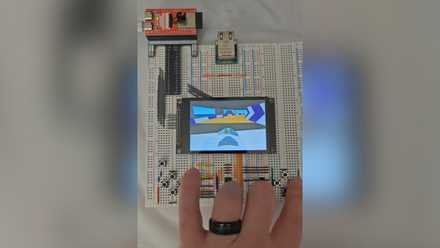
For anyone looking to replicate this project, the ESP32 platform offers several advantages. The ESP32 DevKitC, for example, provides a good balance of features and cost-effectiveness. The platform supports both Arduino and ESP-IDF frameworks, giving developers flexibility in their approach.
Software Architecture
The project likely uses the Arduino framework with the following libraries:
- OneWire library for DS18B20 communication
- DallasTemperature library for simplified temperature readings
- LedControl library for MAX7219 matrix control
The main program flow would follow this pattern:
- Initialize sensors and display
- Read temperature from DS18B20
- Convert temperature to appropriate display format
- Determine color based on temperature range
- Update LED matrix with temperature value and color
- Repeat at regular intervals
Safety Considerations
When working with electronics in a bathroom environment, safety is paramount. The project must consider:
- Proper waterproofing of all electronic components
- Electrical safety standards for wet environments
- Secure mounting to prevent water damage
- Adequate ventilation to prevent condensation buildup
Potential Enhancements
While the current implementation is impressive, several enhancements could make it even more useful:
- Connectivity: Adding Wi-Fi connectivity could allow for remote monitoring or integration with smart home systems.
- Alert System: Adding an audible alarm when water reaches dangerous temperatures.
- Data Logging: Recording temperature history over time to identify patterns or issues.
- Power Optimization: Implementing sleep modes to reduce power consumption.
- Multi-sensor Setup: Adding additional sensors for flow rate or water quality.
Cross-Platform Development Considerations
For mobile developers interested in IoT projects like this, the ESP32 platform offers familiar development paradigms. The Arduino IDE provides an environment similar to traditional embedded development, while the ESP-IDF framework offers a more structured approach akin to larger software projects.
The project demonstrates how skills from mobile development can be applied to IoT solutions:
- UI design principles translate to display layout and readability
- State management concepts apply to handling temperature readings and display updates
- Debugging approaches are similar across platforms
Resources for Replication
For those interested in building this project, the following resources would be valuable:
Conclusion
This ESP32 shower temperature display project exemplifies the creative potential of combining practical problem-solving with IoT technology. By transforming a leaking shower into an informative safety feature, the creator demonstrates how everyday household issues can become opportunities for technological innovation.
For mobile developers and IoT enthusiasts, this project serves as an excellent example of how accessible modern development tools have made sophisticated electronics projects achievable for hobbyists and professionals alike. The combination of AI-assisted code generation, readily available components, and extensive community support makes projects like this increasingly approachable.
As smart home technology continues to evolve, we can expect to see more practical applications like this that enhance our daily lives while solving common household problems. The intersection of creativity, technology, and practical utility is where the most exciting DIY innovations emerge.
Comments
Please log in or register to join the discussion