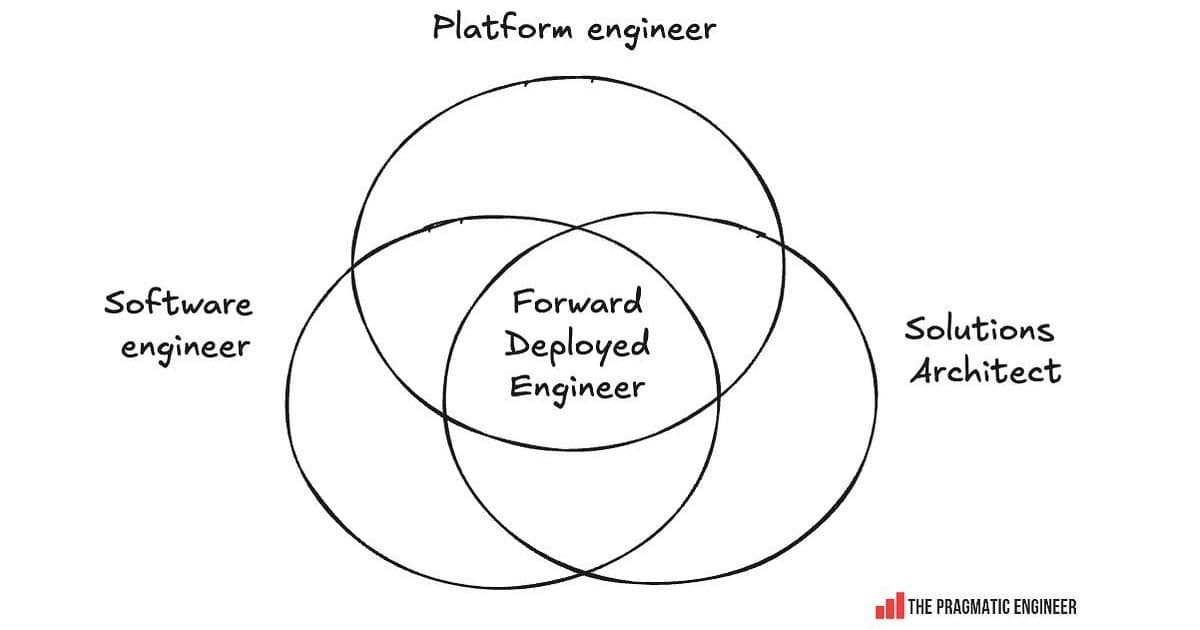
Major tech companies are rapidly expanding their forward deployed engineering teams, creating a hybrid role that combines technical expertise with customer-facing consulting skills.
The tech industry is witnessing a significant shift in how companies structure their engineering talent. Forward deployed engineering (FDE), a model where engineers work directly with customers or client teams rather than in centralized product organizations, is experiencing a major resurgence at companies like Google, OpenAI, and Anthropic.
What is Forward Deployed Engineering?
Forward deployed engineering places technical professionals directly in customer-facing roles, where they act as both technical experts and problem-solvers. Unlike traditional product engineers who build features for a broad user base, FDEs work closely with specific customers or teams to understand their unique challenges and develop tailored solutions.
This model creates a bridge between technical capabilities and business needs, ensuring that engineering efforts align with real-world requirements. FDEs often spend significant time on customer sites or embedded within client teams, providing hands-on technical guidance while gathering valuable feedback that informs product development.
Why the Resurgence Now?
Several factors are driving the renewed interest in FDE:
AI/ML Complexity: As AI systems become more sophisticated, customers need specialized expertise to implement and optimize these technologies effectively.
Enterprise Adoption: Large organizations increasingly require customized solutions that go beyond off-the-shelf products, necessitating engineers who can bridge the gap between standard offerings and specific business needs.
Competitive Pressure: In crowded markets, companies differentiate themselves through exceptional customer experiences and successful implementations, which FDEs directly enable.
Feedback Loop: Companies are recognizing that embedding engineers with customers provides invaluable insights that improve product development.
The FDE Landscape at Major Tech Companies
Google has significantly expanded its FDE teams, particularly in cloud and AI offerings. The company's Customer Engineering teams work closely with enterprise customers to implement Google Cloud solutions effectively.
"Our FDEs are crucial for helping customers navigate the complexity of our cloud and AI platforms," explains a former Google FDE who requested anonymity. "They're not just implementing solutions; they're translating customer needs back into product requirements."
OpenAI
As AI adoption accelerates, OpenAI has created specialized FDE roles to help enterprise customers integrate models like GPT-4 into their workflows. These FDEs work across industries, from healthcare to finance, helping solve domain-specific challenges with AI.
The demand for OpenAI FDEs has grown so rapidly that the company has developed an intensive internal training program to prepare engineers for customer-facing roles.
Anthropic
Anthropic's FDE teams focus on helping customers implement Constitutional AI responsibly in their organizations. These engineers must balance technical expertise with ethical considerations, working closely with customers to ensure AI deployments align with both business goals and responsible AI principles.
The Evolution: Consultant meets Engineer
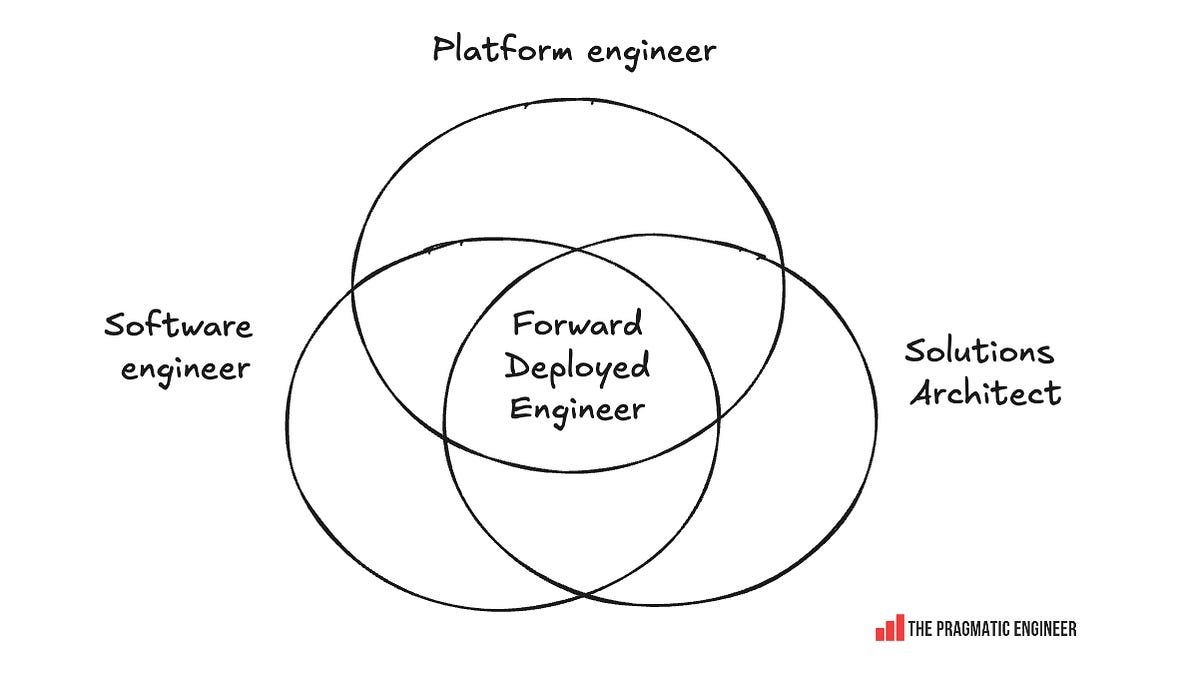
The modern FDE role has evolved significantly from its early incarnations. Today's FDEs increasingly resemble technical consultants or solution architects, requiring a blend of skills:
- Deep technical expertise in specific domains
- Strong communication and presentation skills
- Business acumen to understand customer objectives
- Project management capabilities
- Customer relationship management
"The FDE role has become more strategic," notes Sarah Chen, a former FDE at Microsoft who now consults on engineering team structures. "Early on, FDEs were primarily technical troubleshooters. Now they're expected to contribute to product strategy, identify new market opportunities, and shape how technology is used across industries."
Benefits and Challenges
Benefits of FDE
Improved Customer Success: FDEs ensure customers derive maximum value from products and services.
Enhanced Product Development: Direct customer feedback leads to more relevant product improvements.
Revenue Growth: Successful implementations often lead to expanded contracts and additional sales.
Career Development: FDEs develop diverse skills that prepare them for leadership roles.
Challenges
Role Definition: FDE can mean different things at different companies, creating confusion about responsibilities.
Career Path: Traditional promotion ladders may not accommodate the unique value FDEs create.
Burnout: The constant context-switching between technical and customer-facing work can be exhausting.
Measurement: Quantifying the impact of FDE work can be challenging compared to traditional engineering metrics.
The Future of Forward Deployed Engineering
As AI and cloud technologies continue to evolve, the FDE role is likely to become even more critical. We can expect:
- Specialization within FDE roles, with experts focusing on specific technologies or industries
- Greater emphasis on AI ethics and responsible deployment
- Integration of FDE work with product management and sales processes
- Development of clearer career paths for FDE professionals
For engineers considering this path, the FDE role offers a unique opportunity to develop a diverse skill set while directly impacting customer success. Companies that invest in strong FDE programs will likely see improved customer satisfaction, better product-market fit, and ultimately, stronger business results.
Getting Started with FDE
For engineers interested in transitioning to forward deployed roles:
- Develop strong communication skills alongside technical expertise
- Seek opportunities to work directly with customers or internal stakeholders
- Learn to translate technical concepts into business value
- Build empathy for customer challenges and constraints
- Consider consulting or customer support experience to build relevant skills
Companies looking to implement FDE programs should:
- Define clear role expectations and success metrics
- Provide comprehensive training for both technical and soft skills
- Create distinct career progression paths for FDE professionals
- Establish strong feedback loops between FDEs and product teams
- Recognize and reward the unique contributions of FDEs
The resurgence of forward deployed engineering reflects a broader recognition that technology success depends not just on what is built, but how it is implemented and used. As companies continue to compete on customer experience and successful implementation, the FDE role is poised to become an increasingly critical component of technical organizations.
Comments
Please log in or register to join the discussion