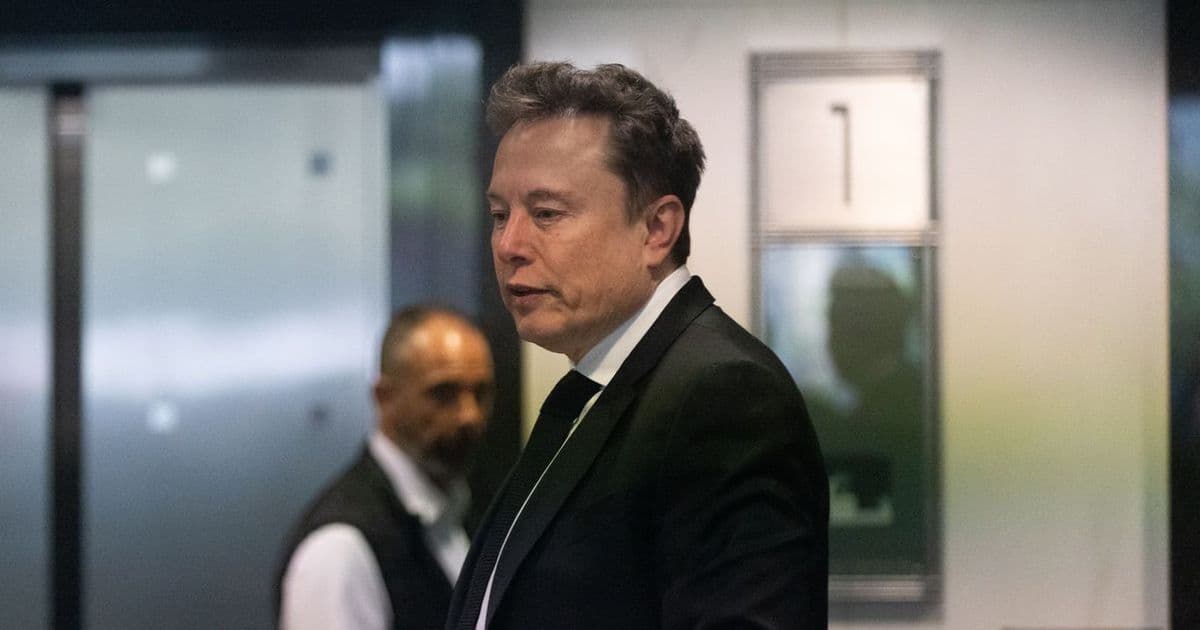
Elon Musk's legal team concludes arguments in landmark lawsuit against OpenAI, alleging the company abandoned its original mission and deceived stakeholders about its nonprofit status while pursuing commercial interests.
Musk Lawyers Accuse OpenAI of Deception in Close of Mega-Trial
Elon Musk's legal team wrapped up their case against OpenAI with dramatic accusations that the artificial intelligence company abandoned its founding principles and deceived stakeholders while transforming into a commercial enterprise. The trial, which has captivated Silicon Valley, represents a pivotal moment in the governance and ethics of artificial intelligence development.
The Core Allegations
In their final arguments presented to the San Francisco court, Musk's attorneys alleged that OpenAI engaged in a "calculated deception" by maintaining its nonprofit status while effectively operating as a profit-driven company under Microsoft's influence. The case centers on claims that OpenAI violated its original founding agreement to develop AI for the benefit of humanity rather than shareholder value.
"OpenAI was established as a nonprofit with a mission to ensure artificial general intelligence benefits all of humanity," said Musk's lead attorney, Alex Spiro, in his closing statement. "Instead, we've witnessed a systematic abandonment of that promise in favor of commercial interests and Microsoft's strategic objectives."
The lawsuit, filed in 2023, contends that OpenAI's transition to a "capped-profit" model and its deepening partnership with Microsoft represent a fundamental betrayal of its founding principles. Musk's team presented internal communications and financial documents suggesting company leadership knew they were contradicting the organization's original mission.
Market Context and Industry Implications
The trial occurs amid explosive growth in the AI sector, with valuations for AI companies reaching unprecedented levels. OpenAI, valued at approximately $80 billion following its latest funding round, stands at the center of this technological revolution. The case raises critical questions about the governance structures of AI development and whether commercial interests can coexist with ethical safeguards.
"The Musk-OpenAI trial is more than a personal dispute; it's a referendum on how AI development should be governed," said Sarah Jenkins, a tech industry analyst at Gartner. "If Musk prevails, we could see increased scrutiny of AI companies' governance structures and potentially more stringent regulations around AI development."
Microsoft's involvement adds another layer of complexity to the case. The tech giant has invested over $13 billion in OpenAI and holds a 49% stake in the company's for-profit arm. Musk's legal team has argued that Microsoft's influence has fundamentally altered OpenAI's trajectory, transforming it from an open research organization into a proprietary technology platform.
Strategic Implications for the AI Industry
The outcome of this trial could reshape the competitive landscape of artificial intelligence. A victory for Musk might prompt other AI startups to reconsider their governance models and potentially adopt more transparent structures. Alternatively, a ruling in OpenAI's favor could validate the approach of developing commercial AI products while maintaining ethical oversight.
"Whatever the court's decision, this trial has already forced important conversations about AI governance," noted Dr. Evelyn Reed, a professor of technology ethics at Stanford University. "The question of whether AI development should be driven by commercial incentives or public interest is one the entire industry must address."
The case has also highlighted tensions between different philosophies in AI development. Musk has long advocated for cautious, safety-first approaches to AI, while OpenAI has pursued rapid innovation with safety guardrails. These differing approaches reflect broader debates within the tech community about the appropriate pace and priorities of AI advancement.
What's at Stake
For OpenAI, the potential damages could reach into the billions of dollars if the court finds in favor of Musk. More significantly, a negative ruling could force a restructuring of the company's governance model and potentially alter its relationship with Microsoft.
For Musk, the case represents a continuation of his long-standing advocacy for AI safety. His Neural venture, which aims to develop AI aligned with human values, stands to benefit if the trial establishes stronger precedents for ethical AI development.
The broader implications extend to the entire AI ecosystem. If the court determines that OpenAI violated its founding principles, it could lead to increased regulatory scrutiny of AI companies and potentially influence how venture capitalists approach investments in AI startups.
The Path Forward
The trial is expected to conclude in the coming weeks, with a verdict potentially coming by late summer. Legal experts suggest that the judge may issue a narrow ruling focused on specific contractual obligations rather than addressing broader questions about AI governance.
Whatever the outcome, the Musk-OpenAI trial has already become a landmark case in the history of artificial intelligence. It has forced a public reckoning with the values and priorities that should guide AI development in an era of rapid technological advancement.
As the case winds down, the tech industry watches closely. The verdict could set important precedents for how AI companies structure themselves, how they balance commercial interests with ethical considerations, and how they navigate the complex relationships between researchers, investors, and corporate partners.
In the words of one venture capitalist who declined to be named, "This trial isn't just about Musk and OpenAI. It's about the soul of artificial intelligence and whether we can develop powerful AI systems that serve humanity's best interests."
Post-Trial Developments
Following the conclusion of Musk's case, OpenAI's legal team began their defense, arguing that the company has remained true to its mission while adapting to technological realities. They presented evidence of OpenAI's safety research, transparency initiatives, and efforts to democratize access to AI technology.
"We have always prioritized safety and the broad benefit of humanity," said OpenAI CEO Sam Altman in testimony earlier in the trial. "Our structure has evolved to allow us to attract the talent and resources necessary to develop AI safely and responsibly."
The trial has also revealed internal tensions within OpenAI, with former employees testifying about disagreements between the company's research and commercial wings. These testimonies have provided rare insight into the challenges of balancing innovation with ethical considerations in cutting-edge AI development.
As the legal battle continues, the tech industry awaits a ruling that could have far-reaching implications for how artificial intelligence is developed, governed, and deployed in the years to come.
Comments
Please log in or register to join the discussion