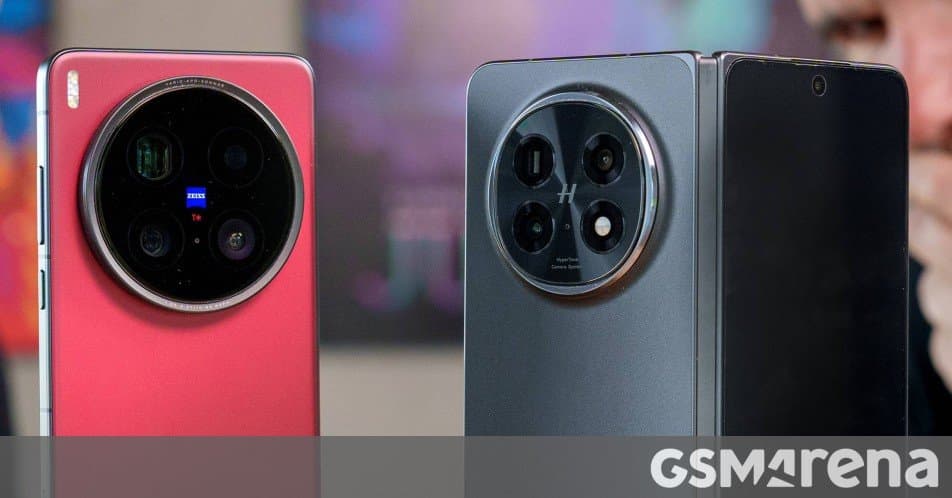
After years of being a niche curiosity, foldable smartphones are poised for their breakout moment in 2026, with book-style designs dominating and Apple's entry potentially pushing them into the mainstream.
The foldable smartphone market is entering a new phase in 2026, according to analysts at Counterpoint Research, marking the end of its experimental phase and the beginning of sustainable mainstream adoption. After a cautious 2025 where manufacturers focused on inventory normalization and careful product launches, the foldable segment is set for aggressive expansion this year.
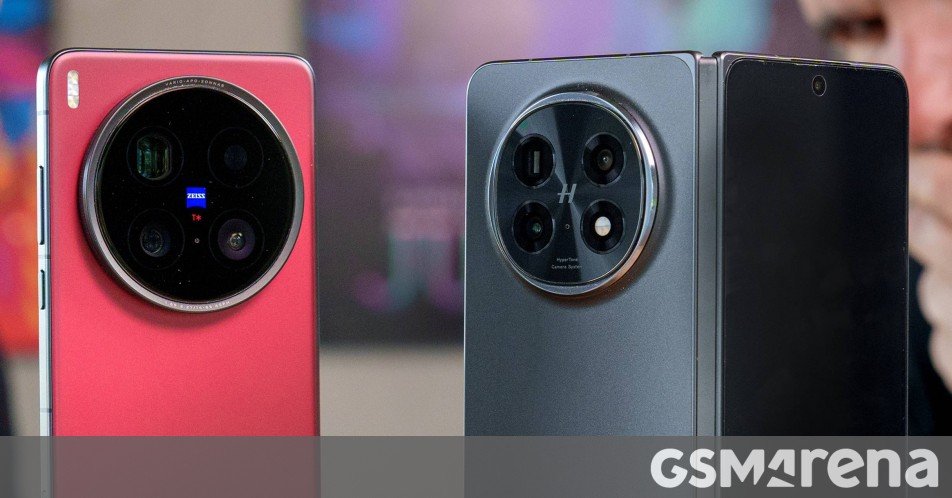
The most significant shift is in consumer preferences. Book-style foldables—the larger devices that open like a book—have surged in popularity, now accounting for 52% of all foldable sales. This represents a fundamental change in how people view these devices. Rather than seeing them as expensive tech novelties or mere form-factor experiments, consumers increasingly view book-style foldables as practical productivity tools that offer genuine value. Analysts predict this segment will grow to 65% of the foldable market in 2026.
This shift in perception is driven by tangible improvements in the technology. Better hinges, more durable displays, improved software optimization, and refined designs have transformed foldables from fragile prototypes into reliable daily drivers. The productivity angle is particularly compelling—users can now work on a tablet-sized screen that fits in their pocket, making these devices genuinely useful rather than just conversation pieces.
Apple's anticipated entry into the foldable market this fall could be the catalyst that pushes these devices into the mainstream. While Apple hasn't officially confirmed a foldable iPhone, industry analysts widely expect the company to release one, tentatively dubbed the "iPhone Fold." The impact of Apple entering any new product category is well-documented—the company's brand power and ecosystem integration often legitimize emerging technologies and accelerate adoption.
The competitive response to Apple's expected entry is already taking shape. Samsung, the current leader in the foldable market, is reportedly developing a wider book-style foldable to directly compete with Apple's offering. This suggests Samsung sees Apple's entry as a serious threat and is preparing to defend its market position with products that can go head-to-head with the iPhone Fold.
Other manufacturers are following suit. Honor and Oppo are rumored to be working on their own wide book-style foldables, indicating that the industry sees Apple's potential entry as a market-defining moment that requires a coordinated response. This competitive dynamic could lead to a wave of high-quality, wide-format foldables hitting the market around the same time as Apple's device.
Despite the focus on book-style foldables, clamshell designs aren't going away. Manufacturers will continue to offer these more compact foldables as complementary devices, particularly targeting style-conscious consumers and the entry-premium market segments. The clamshell form factor still has appeal for users who want a more pocketable device without sacrificing screen real estate entirely.
The broader smartphone market context adds another layer to this story. While the overall smartphone market is expected to shrink in 2026 due to factors like RAM shortages driving up prices, the foldable segment appears poised for growth. This divergence suggests that foldables may be capturing market share from traditional smartphones, particularly among consumers willing to pay premium prices for innovative form factors.
What makes 2026 different from previous years of foldable hype is the combination of technological maturity, shifting consumer perceptions, and the impending Apple effect. The hardware has improved to the point where durability concerns are diminishing, the software ecosystem has matured to better support flexible displays, and consumers are increasingly seeing practical value beyond the novelty factor.
The foldable market's evolution from curiosity to productivity tool to potential mainstream category represents one of the most interesting shifts in consumer technology. If Counterpoint's predictions hold true, 2026 could be remembered as the year foldables finally found their footing—not as expensive toys for early adopters, but as legitimate alternatives to traditional smartphones that offer unique benefits worth paying for.
Comments
Please log in or register to join the discussion