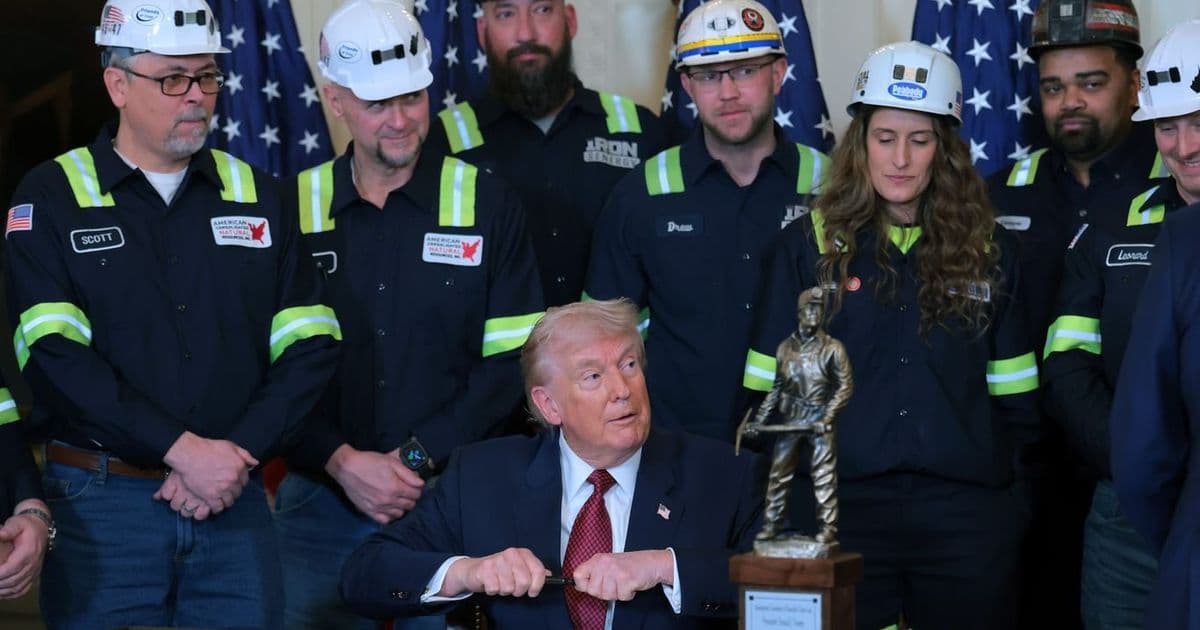
President Trump's executive order mandating coal purchases for military installations creates immediate market ripple effects while raising strategic questions about energy policy.
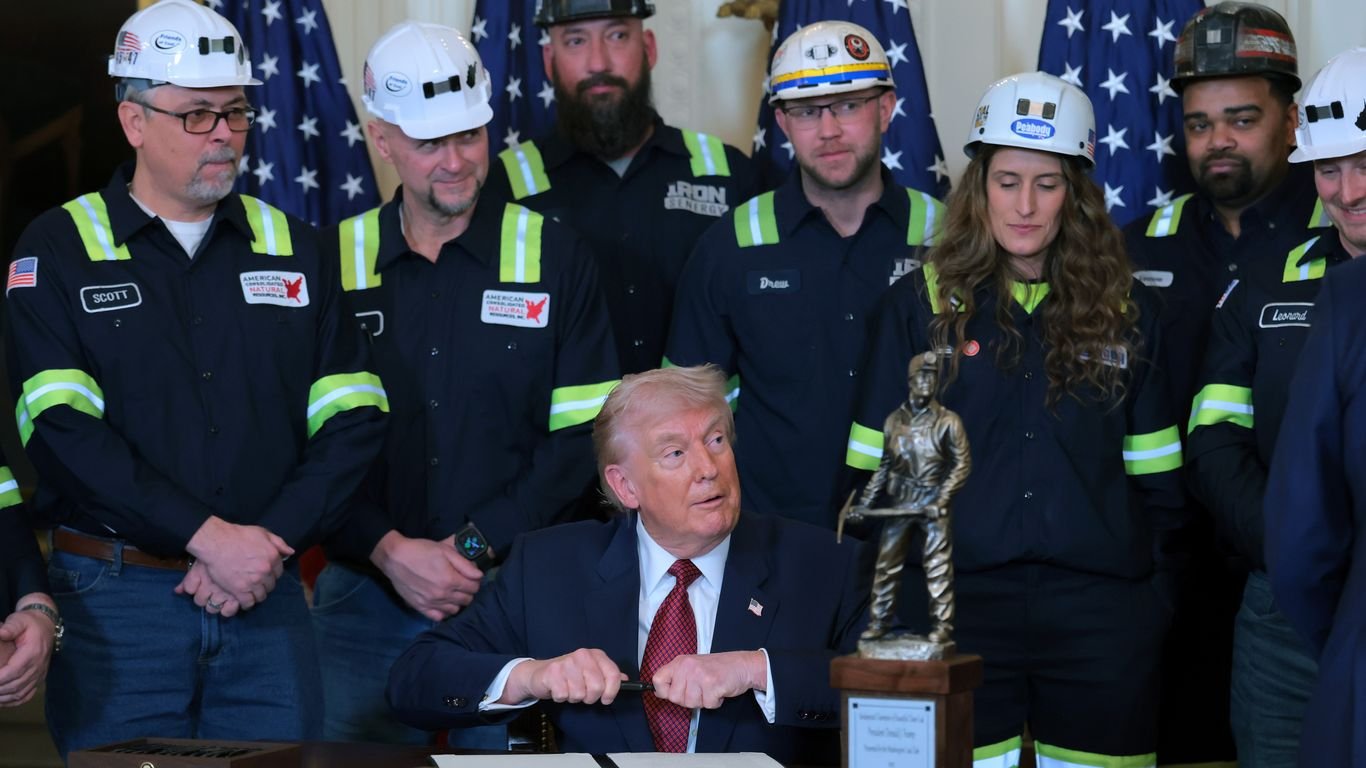
President Trump signed an executive order Thursday requiring the Department of Defense to procure coal for power generation at military installations, directly intervening in energy markets to support the struggling coal sector. The immediate directive applies to domestic bases still using coal-fired plants, though exact procurement volumes remain unspecified pending implementation plans.
This policy shift enters a market where coal's economic position continues weakening. Natural gas prices remain near historic lows at approximately $1.85/MMBtu, while utility-scale solar power purchase agreements average $24-40/MWh—both undercutting coal generation costs. The military's existing energy infrastructure includes 21 coal-powered facilities nationwide, representing about 2.5% of DoD's total energy consumption. Forcing coal procurement could increase operational costs by 15-30% based on current fuel differentials, translating to tens of millions in additional annual expenditures.
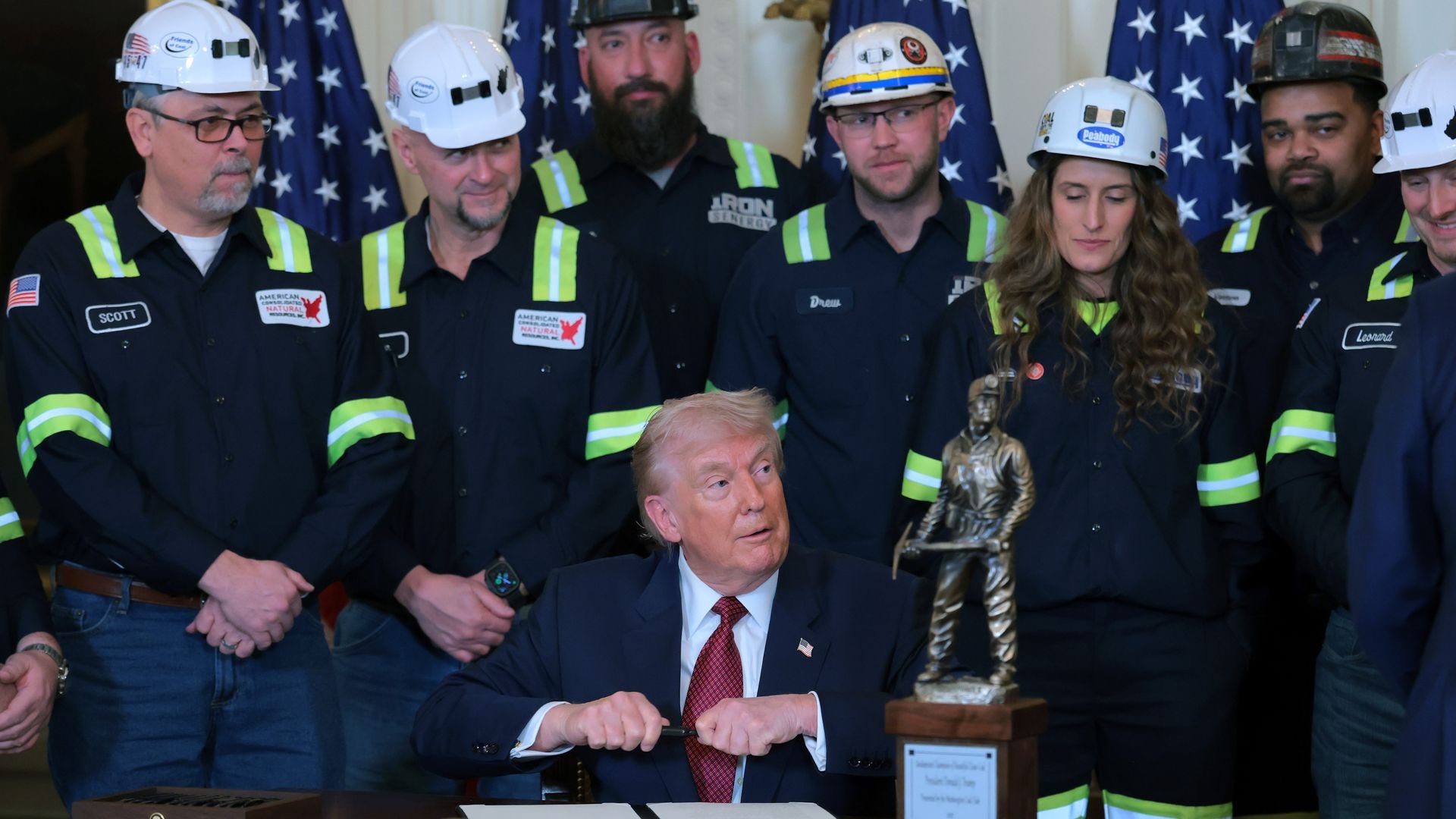
Market analysts note potential short-term impacts: coal producers facing bankruptcy like Arch Resources and Peabody Energy saw stock bumps of 3-5% following the announcement. However, structural challenges persist—U.S. coal production has declined 36% since 2015, with over 50 coal plants retired in 2023 alone. Military procurement would likely displace less than 1% of nationwide coal consumption declines.
The order raises strategic questions beyond economics. Defense officials previously prioritized energy resilience through diversified sources, including microgrids and renewables. Mandating coal procurement conflicts with the military's own assessments that distributed renewable generation enhances battlefield readiness. Environmental implications also surface: military bases using coal would face increased emissions compliance costs under existing EPA regulations.
This intervention reflects the administration's broader pattern of supporting legacy energy industries through federal purchasing power. Similar tactics previously included proposals to subsidize coal plants for grid resilience—rejected by regulators as cost-prohibitive. With defense budgets facing scrutiny, this directive prioritizes political objectives over both market fundamentals and the Pentagon's established energy security strategy.
Comments
Please log in or register to join the discussion