
Apple's iPhone 17 lineup marks a significant departure, replacing the Plus model with the ultrathin iPhone Air and overhauling the Pro series with new aluminum unibody designs and advanced cooling. Featuring ProMotion displays across all models, upgraded cameras, and powerful new chipsets, each device targets distinct user needs, forcing a more complex upgrade decision than ever before.
Apple's annual iPhone refresh is never just an iteration, but the iPhone 17 series represents one of the most substantial redesigns and strategic shifts in years. Gone is the familiar Plus model, replaced by the audaciously slim iPhone Air, while the Pro and Pro Max undergo significant structural changes. Beyond aesthetics, the entire lineup boasts ProMotion displays for the first time, major camera upgrades leveraging computational photography, and Apple's latest silicon, making the choice between models more nuanced and significant than a simple screen size preference.
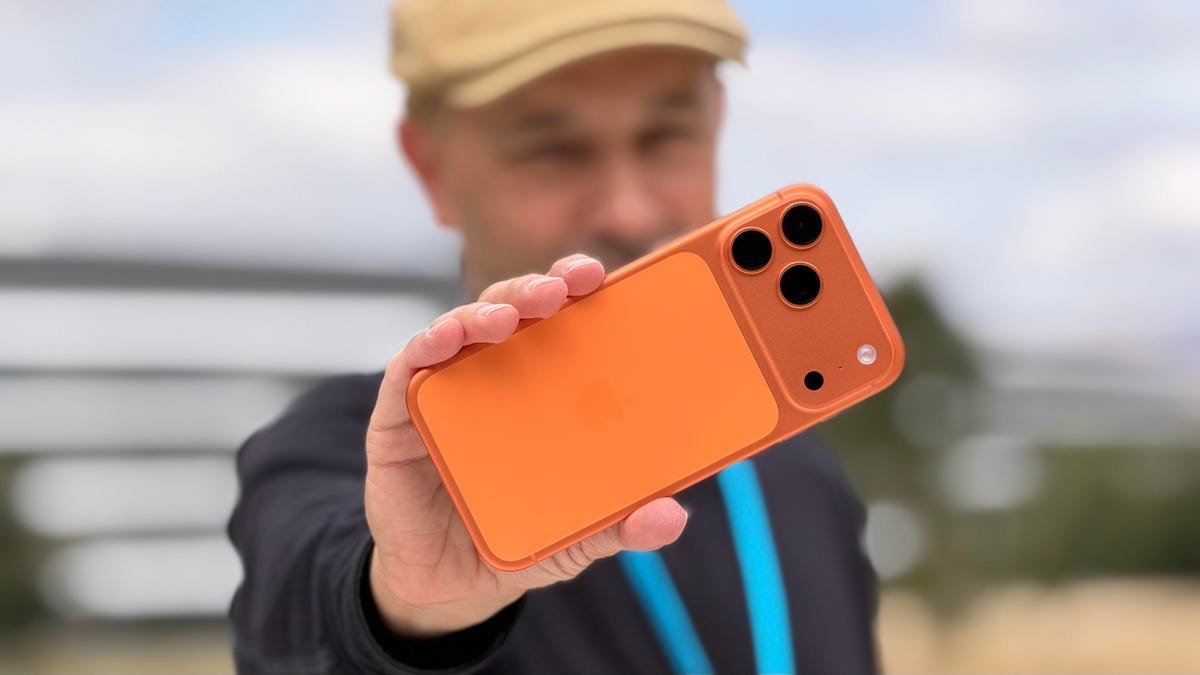 Caption: The iPhone 17 Pro Max showcases the new Cosmic Orange finish and the redesigned camera plateau. (Jason Hiner/ZDNET)
The core differentiators lie in design philosophy and target use cases:
| Feature | iPhone 17 | iPhone 17 Air | iPhone 17 Pro | iPhone 17 Pro Max |
|---|---|---|---|---|
| Key Selling Point | Value ProMotion | Ultra-Thin Design | Advanced Camera | Max Performance/Display |
| Design | Traditional | 5.6mm Thin | Aluminum Unibody | Aluminum Unibody |
| Display | 6.3" ProMotion | 6.5" ProMotion | 6.3" ProMotion | 6.9" ProMotion (3000 nits) |
| Processor | A19 | A19 Pro + N1 + C1X | A19 Pro | A19 Pro + N1 |
| Cooling | Standard | Standard | Vapor Chamber | Vapor Chamber |
| Rear Cameras | Dual 48MP | Single 48MP (Flex) | Triple 48MP Fusion | Triple 48MP Fusion |
| Battery Life | 30h video | 27h video | 39h video | 39h video |
| Starting Price | $799 | $999 | $1,099 | $1,199 |
The iPhone Air: Thinner Than Thought Possible The headline act is undoubtedly the iPhone Air. Measuring a mere 5.6mm thick – roughly a third thinner than its Pro siblings – it's a feat of engineering. Achieving this required bold choices: a single, versatile 48MP Fusion rear camera capable of 28mm, 35mm, and macro shots, and the complete removal of the physical SIM tray (eSIM only). Powering this sleek device is a complex trio: the A19 Pro CPU/GPU, the new N1 chip handling Wi-Fi 7, Bluetooth 6, and Thread, and the C1X cellular modem promising double the speed and efficiency of its predecessor. It's for users prioritizing portability and cutting-edge connectivity above all else, accepting the camera and SIM compromises.
Pro Evolution: Form Follows (Thermal) Function The iPhone 17 Pro and Pro Max break away from the design language established since the iPhone 12. Both feature a new brushed aluminum unibody, ditching the stainless steel frame for lighter weight and, crucially, better thermal management. Inside, a vapor chamber circulates de-ionized water to dissipate heat from the potent A19 Pro chip. The rear camera system now sits on a raised "plateau", providing extra internal volume for larger batteries (boasting up to 39 hours of video playback) and the sophisticated triple 48MP Fusion camera array. The Pro Max further distinguishes itself with the largest (6.9") and brightest (3000 nits peak) display in the lineup and optional 2TB storage.
The Democratization of ProMotion and Camera Tech Perhaps the most user-friendly shift is the arrival of ProMotion displays (120Hz adaptive refresh rate) on the base iPhone 17. This delivers the coveted smooth scrolling and responsiveness previously reserved for Pro buyers, alongside the tougher Ceramic Shield 2. Camera upgrades are pervasive:
- All models: Feature a new 18MP Center Stage front camera with a square sensor for wider views and landscape selfies.
- iPhone 17 & Air: Benefit from improved main sensors and computational photography (Photonic Engine).
- Pro Models: Gain the full triple 48MP system, including a new larger-sensor telephoto lens significantly enhancing low-light performance.
Choosing Your Upgrade Path The elimination of the Plus model and introduction of the Air creates distinct lanes:
- iPhone 17: Ideal for those wanting core Apple advancements (especially ProMotion) in a familiar, more affordable package.
- iPhone Air: Targets users valuing ultimate thinness, lightness, and future-proofed connectivity, willing to sacrifice some camera versatility and physical SIM.
- iPhone 17 Pro: The sweet spot for photography/videography enthusiasts wanting the triple-camera system and new thermal design without the Max's size and price.
- iPhone 17 Pro Max: For power users demanding the absolute largest, brightest display, maximum storage, and the combination of Pro camera power and A19 Pro + N1 chip performance.
This generation signals Apple's willingness to experiment more aggressively with iPhone form factors and segmentation. The iPhone Air is a bold statement on thinness, while the Pro redesign addresses long-standing thermal constraints. The across-the-board display and camera improvements ensure every user gains significant benefits, but the strategic choices behind each model now demand a deeper consideration of personal priorities than merely selecting a screen size. The era of the one-size-fits-most iPhone is truly over.
Source: Analysis based on product specifications and reporting from ZDNET (https://www.zdnet.com/article/i-compared-the-iphone-17-iphone-air-17-pro-and-17-pro-max-heres-who-should-upgrade/)
Comments
Please log in or register to join the discussion