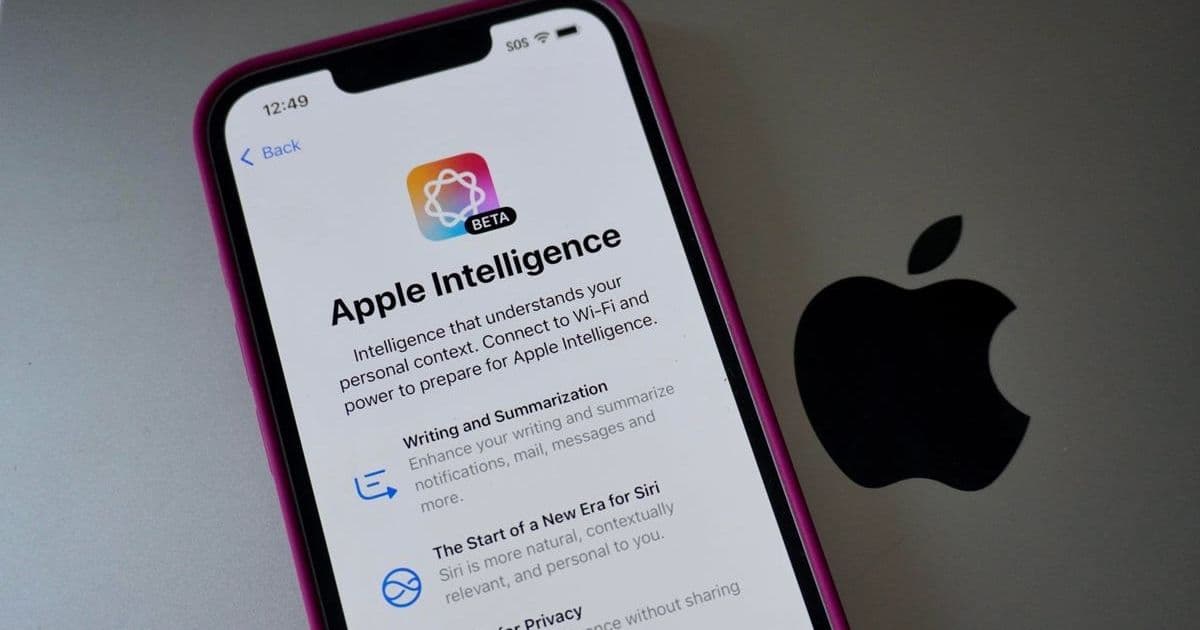
Apple is reportedly developing an AI-powered 'answer engine' to challenge ChatGPT and Gemini while potentially replacing Google as iOS's search backbone. By deeply integrating this technology into Siri, Spotlight, and a standalone app, Apple could leverage its ecosystem advantage amid shifting antitrust pressures and user expectations.
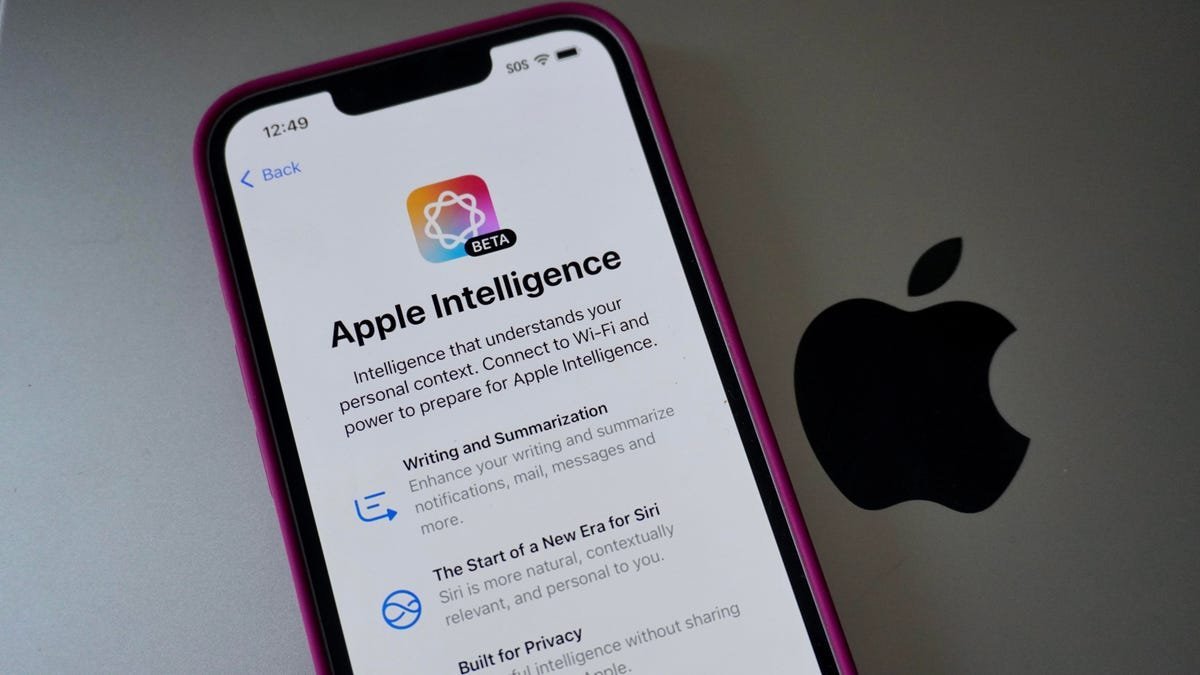
For years, Apple watched from the sidelines as generative AI transformed search paradigms. Now, according to Bloomberg's Mark Gurman, the company is assembling its most ambitious counteroffensive yet: Project AKI (Answers, Knowledge, and Information). This initiative aims to build a ChatGPT-rivaling "answer engine" that could fundamentally alter how users interact with Apple's ecosystem—and potentially disrupt Google's $20 billion default-search deal with iOS.
Beyond Siri 2.0: The Native Advantage
Apple's approach diverges from competitors by embedding AI search natively across its stack. Unlike the current ChatGPT integration—a band-aid solution requiring API calls—AKI would power:
- Conversational Siri: Real-time web knowledge without handoffs
- Smarter Spotlight: Contextual answers alongside file searches
- Safari Enhancements: Integrated question-answering in browsing
- App Integrations: On-demand facts within Messages or Mail
This architecture addresses Apple's core weakness: fragmented intelligence. As senior editor Sabrina Ortiz notes, "A native AI search engine could enhance capabilities by pulling directly from an Apple product rather than relying on a third-party stripped-down experience." 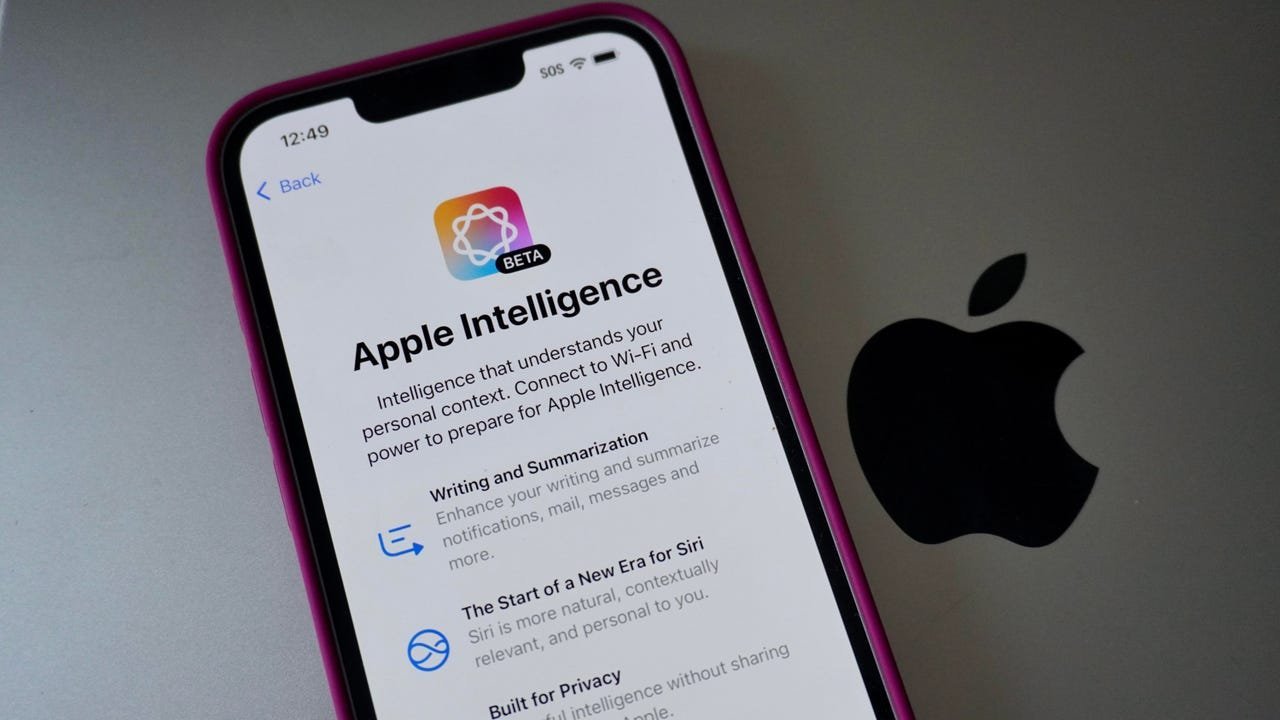
The Perfect Storm: Antitrust and Behavior Shifts
Timing is critical. The DOJ's antitrust case against Google enters its remedies phase, threatening the lucrative arrangement making Google iOS's default search engine. Simultaneously, Pew Research reveals users increasingly prefer AI summaries over link-clicking—a behavior shift favoring answer engines like Perplexity or Gemini.
Apple's play isn't about dethroning Google's 90% search dominance overnight. Rather, it’s about ecosystem control. By owning the AI search layer, Apple could:
- Reduce dependency on external AI providers
- Unlock contextual features (e.g., auto-suggesting contacts/events based on message content)
- Create seamless UX—a priority for Apple loyalists who value interface consistency
The Bing Paradox and Apple's Path
History suggests disruption is daunting. Bing's AI surge yielded just 4% market share despite massive investment. But Apple’s integrated hardware-software moat changes the calculus. When every new iPhone ships with AKI-enabled Siri preinstalled—no downloads required—adoption friction vanishes.
The real test? Accuracy and latency. Apple must deliver responses faster and more reliably than web-based rivals while navigating hallucinations—a challenge given its cautious AI approach. If successful, AKI could become the connective tissue for Apple Intelligence, transforming devices from tools into anticipatory assistants.
As antitrust winds shift and users demand conversational answers, Apple's greatest advantage might be its billion-strong user base waiting for a search experience that simply works like the rest of their devices—no prompts needed.
Comments
Please log in or register to join the discussion