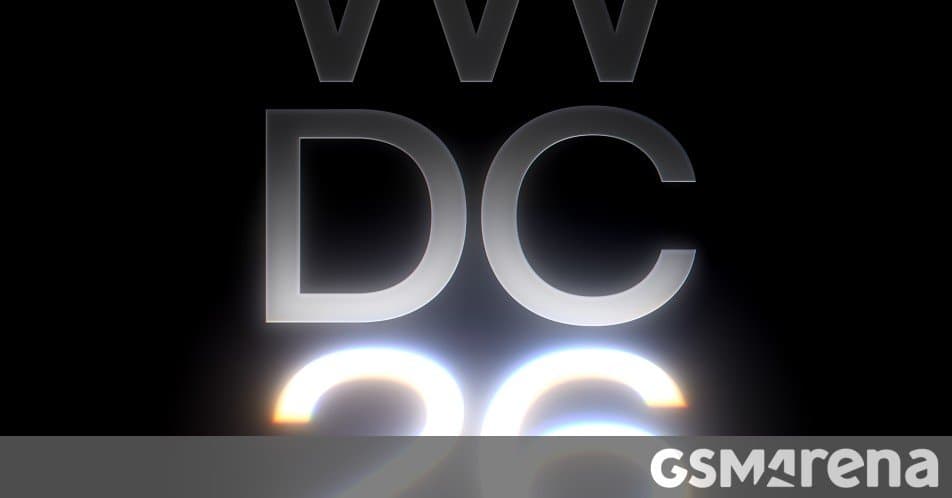
Apple has announced WWDC 2026 will take place June 8-12, where iOS 27, iPadOS 27, and macOS 27 are expected to debut, potentially marking the arrival of Gemini-powered Siri and refined Liquid Glass design.
Apple has officially announced that its annual Worldwide Developers Conference (WWDC) will take place from June 8-12, 2026, setting the stage for what could be one of the most significant software unveilings in recent years. As tradition dictates, the first day's keynote will likely showcase the next generation of Apple's operating systems, including iOS 27, iPadOS 27, and macOS 27.
What to Expect from iOS 27
The June 8 keynote is expected to reveal Apple's vision for the future of its mobile ecosystem. Given that Apple introduced a major redesign last year with the Liquid Glass aesthetic, industry analysts predict that iOS 27 will focus on refinement rather than a complete overhaul. This approach makes sense from a user experience perspective - major visual changes can be jarring, and Apple has historically preferred evolutionary updates that maintain familiarity while improving functionality.
However, the most anticipated feature of iOS 27 isn't visual at all. According to multiple reports, this update may finally bring Gemini integration to Siri, marking the debut of a significantly smarter virtual assistant. This has been a long-awaited development, as Apple has faced criticism for Siri's limitations compared to competitors like Google Assistant and Amazon's Alexa.
The Gemini-Powered Siri Revolution
The potential integration of Google's Gemini AI into Siri represents a significant shift in Apple's AI strategy. For years, Apple has been developing its own AI models, but the complexity and scale of modern AI systems have made partnerships increasingly attractive. Gemini integration could bring several improvements:
- Enhanced natural language understanding and generation
- More contextual awareness across apps and services
- Improved task completion capabilities
- Better integration with third-party services
- More conversational and human-like interactions
The timing is particularly interesting, as it suggests Apple may be acknowledging that building world-class AI entirely in-house is more challenging than anticipated. This partnership could accelerate Apple's AI capabilities while maintaining its commitment to privacy and on-device processing where possible.
Beta Testing and Fall Release
Following the June 8 unveiling, iOS 27 will enter a beta testing phase that typically lasts several months. This period allows developers to prepare their apps for new APIs and features while Apple collects feedback and fixes bugs. The public beta usually becomes available in July, giving enthusiasts early access to new features.
As with previous years, the final stable release is expected in September or October, coinciding with new iPhone launches. This timeline gives Apple approximately 3-4 months of beta testing before the official release, which is crucial for ensuring stability and compatibility across the vast ecosystem of iOS devices.
Beyond iOS: The Full Ecosystem Update
The WWDC keynote won't just focus on iOS 27. iPadOS 27 is expected to bring enhanced multitasking features and tighter integration with Apple's growing lineup of accessories. macOS 27 will likely focus on performance improvements and better continuity between Apple devices, while watchOS and tvOS will receive their own updates.
Apple Intelligence, the company's broader AI initiative, is also expected to receive major updates in iOS 27. This includes improvements to on-device processing, better integration with cloud services, and potentially new AI-powered features across the operating system.
Developer Conference Significance
WWDC remains one of the most important events in the tech calendar, not just for consumers but for developers worldwide. The conference provides:
- Early access to new SDKs and development tools
- Direct interaction with Apple's engineering teams
- Insights into Apple's future hardware and software directions
- Opportunities to learn about best practices and optimization techniques
For developers, the June 8 keynote is particularly crucial as it sets the roadmap for the next year of app development. New APIs, frameworks, and design guidelines announced during this event will shape how apps look and function for millions of users.
The Bigger Picture: Apple's AI Strategy
The potential Gemini integration represents more than just a Siri upgrade - it's a strategic move in the broader AI landscape. Apple has always positioned itself as a privacy-focused company, and integrating Google's AI technology raises questions about how Apple will maintain its privacy commitments while leveraging powerful cloud-based AI capabilities.
This partnership could also signal a shift in the competitive dynamics between Apple and Google. While the two companies compete fiercely in many areas, they've also maintained important partnerships, such as Google remaining the default search engine on Apple devices. An AI partnership would represent another layer of this complex relationship.
Looking Ahead
As we approach June 8, speculation will only intensify. The tech community is eager to see whether Apple can deliver on the promise of a truly intelligent Siri, and how the company will balance innovation with its commitment to user privacy and experience.
For now, all eyes are on Cupertino, where Apple's engineers and executives are putting the final touches on what could be one of the most consequential software updates in the company's history. Whether iOS 27 delivers on its promise of smarter AI and refined design remains to be seen, but one thing is certain: the future of Apple's mobile ecosystem is about to be unveiled.

The countdown to June 8 has begun, and the tech world waits with bated breath to see what Apple has in store for the next chapter of iOS.
Comments
Please log in or register to join the discussion