Supply chain analyst Ming-Chi Kuo reports Apple has dramatically increased foldable iPhone manufacturing targets to 8-10 million units for 2026 – a 20% jump. This ambitious forecast would triple Samsung's projected Galaxy Z Fold 7 shipments, signaling Apple's confidence in redefining the premium smartphone segment with its first foldable device.
In a seismic shift for the foldable market, Apple has significantly escalated production plans for its anticipated foldable iPhone, according to renowned supply chain analyst Ming-Chi Kuo. Revised forecasts now target 8-10 million units for 2026 (a 20% increase from prior estimates) and 20-25 million units for 2027 (a 40% surge). This aggressive ramp-up positions Apple to dominate the high-end foldable segment upon its expected Fall 2026 debut.
Kuo's analysis reveals Apple's manufacturing ambitions would dwarf Samsung's current foldable operations. Samsung plans just 2.4 million shipments for its Galaxy Z Fold 7 – meaning Apple's 2026 target represents over triple Samsung's volume for its flagship foldable. This gap widens further in 2027, with Apple's projections nearing ten times Samsung's 2025 Fold 6 shipments.
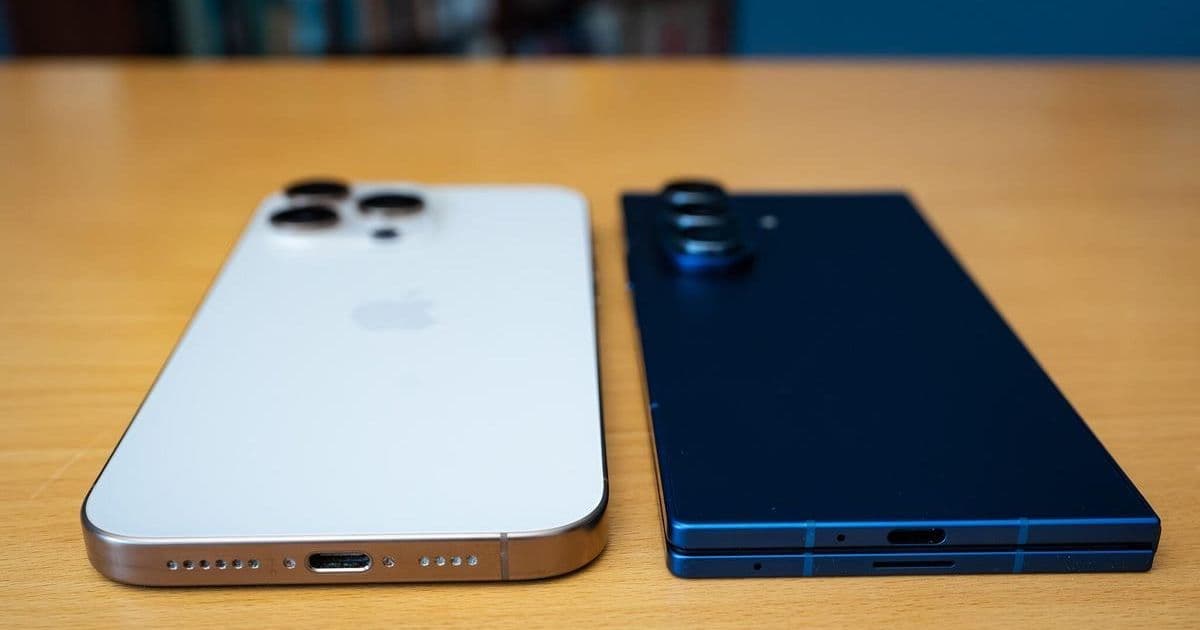
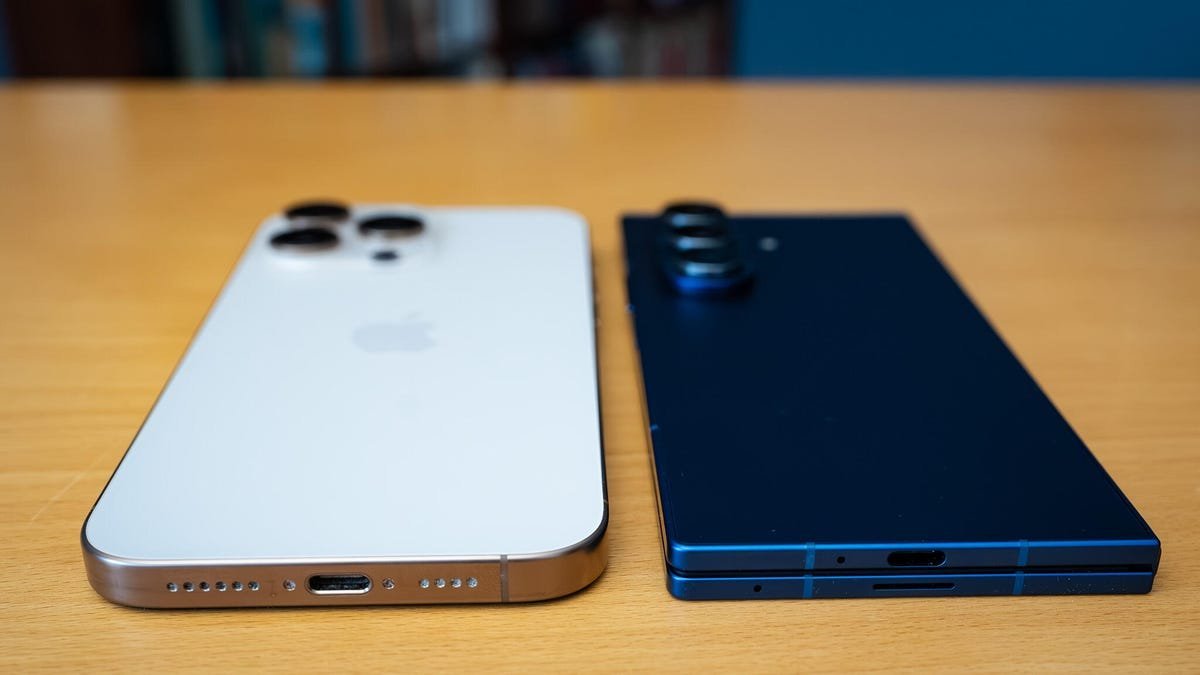
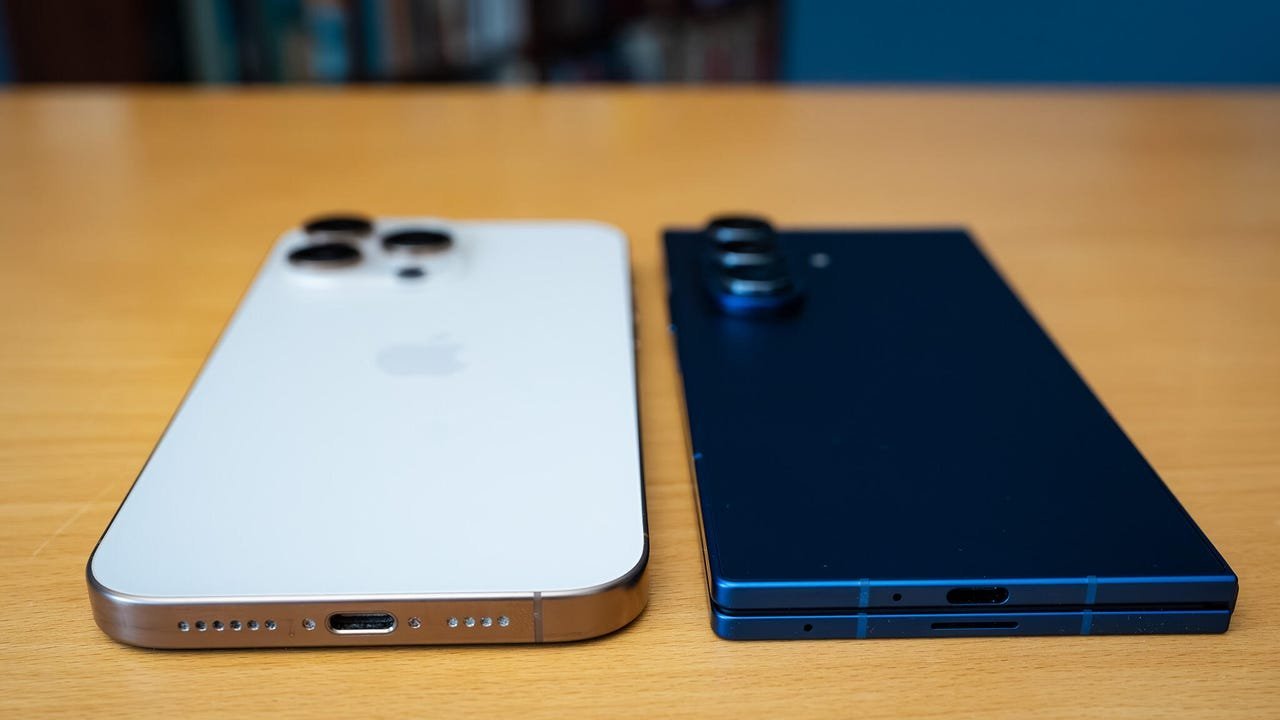 Apple's iPhone 16 Pro Max next to Samsung's Galaxy Z Fold 7. (Jason Hiner/ZDNET)
The revised targets suggest Apple has achieved critical breakthroughs in hinge mechanics, display durability, and software optimization – areas where competitors have iterated for years. With over 30 patents related to foldable technology, Apple appears poised to leverage its ecosystem integration as a key differentiator. As ZDNET's Jason Hiner observed during Galaxy Z Fold 7 testing:
"The Fold 7 is becoming one of my favorite phones... It's roughly iPhone 16 Pro Max size when folded but transforms into an iPad Mini-like experience. The fold enables unique use cases: laptop-like productivity, back-camera selfies with cover-screen previews, and teleprompter functionality – all capabilities Apple could refine further."
This production surge carries significant implications:
- Supply Chain Mobilization: Apple's scale will pressure display suppliers (likely Samsung Display and LG) and hinge manufacturers to meet unprecedented quality and volume demands.
- Developer Opportunities: iOS developers must prepare for entirely new interaction paradigms and screen ratio adaptability.
- Market Pressure: Chinese manufacturers like Honor and Oppo – currently pushing foldable innovation – face intensified competition in global markets.
While Samsung pioneered the modern foldable category, Apple's manufacturing commitment signals a strategic pivot: foldables aren't niche experiments but the next evolution of the iPhone's form factor. If executed effectively, Apple could accelerate mainstream foldable adoption much like it did with smartphones and tablets – reshaping mobile computing paradigms for developers and consumers alike.
Source: Ming-Chi Kuo supply chain analysis, reported by Jason Hiner for ZDNET
Comments
Please log in or register to join the discussion