
With Apple's September event weeks away, leaks suggest the Apple Watch Series 11 and Ultra 3 could debut transformative health features like non-invasive blood pressure monitoring and an AI-driven health coach. These advancements signal a major leap in personalized healthcare tech, blending hardware innovation with AI to empower developers and users alike.
The Next Frontier: Apple Watch Series 11's Health Tech Revolution
As Apple's annual September hardware event approaches—historically landing in mid-September with shipments soon after—the tech world is abuzz with rumors about the Apple Watch Series 11 and Ultra 3. For developers and health tech innovators, these aren't just incremental updates; they represent potential paradigm shifts in how wearables leverage AI, sensor tech, and data analytics to transform personal health. 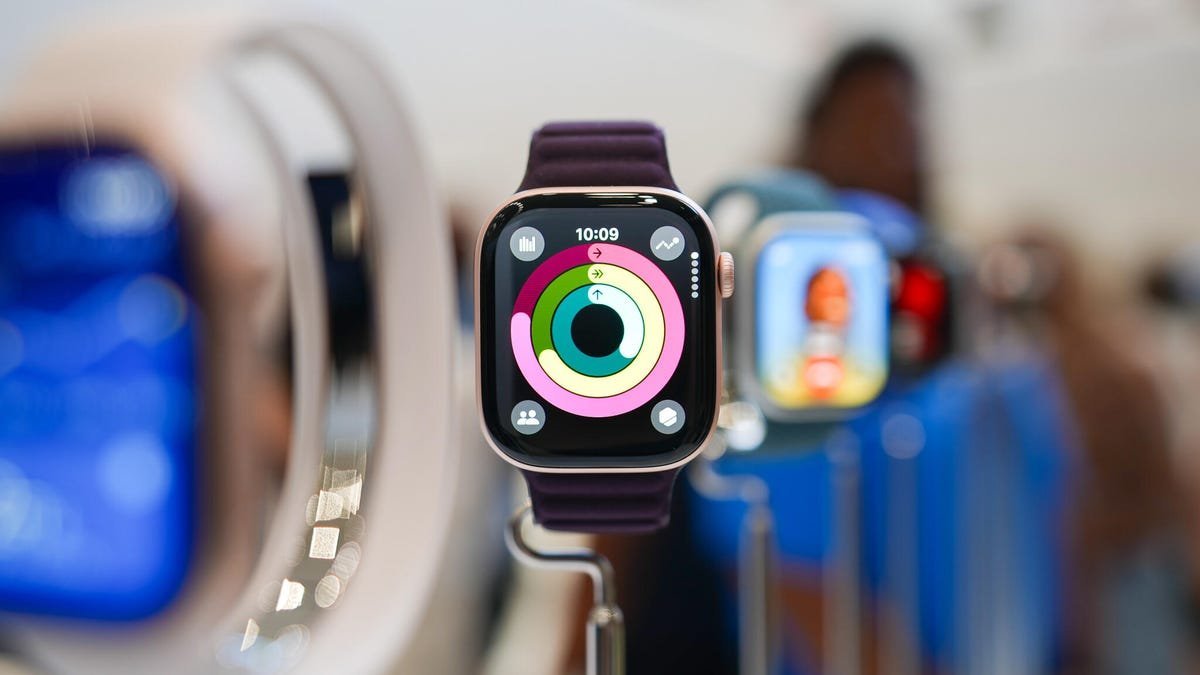
The Rumored Game-Changers
Blood Pressure Monitoring: A Long-Awaited Breakthrough
Industry leaker Mark Gurman reports that Apple is aggressively developing non-invasive blood pressure tracking, potentially eliminating the need for cumbersome arm cuffs. If realized, this could democratize hypertension monitoring, but technical hurdles remain—accuracy in dynamic real-world scenarios is notoriously difficult. As one analyst noted: "Achieving FDA clearance for such a feature would set a new bar for consumer health devices, forcing rivals to accelerate their R&D."
AI Health Coach: Your Virtual Physician Assistant
Code-named "Project Mulberry," Apple's Health app overhaul aims to introduce an AI health coach trained by in-house physicians. This system would analyze data from Apple Watches and third-party apps to provide personalized recommendations, building on WatchOS 26's Workout Buddy feature. For developers, this opens avenues for integration, but also raises questions about data privacy and the algorithmic transparency of AI-driven health advice.
Sleep Scoring and Beyond
MacRumors uncovered references to a "Watch Focus Score" in WatchOS 26 code, hinting at Apple's entry into sleep quality grading. While sleep scores exist on competitors like Fitbit, Apple's clinical research-backed approach—similar to its sleep apnea detection—could lend unprecedented credibility. 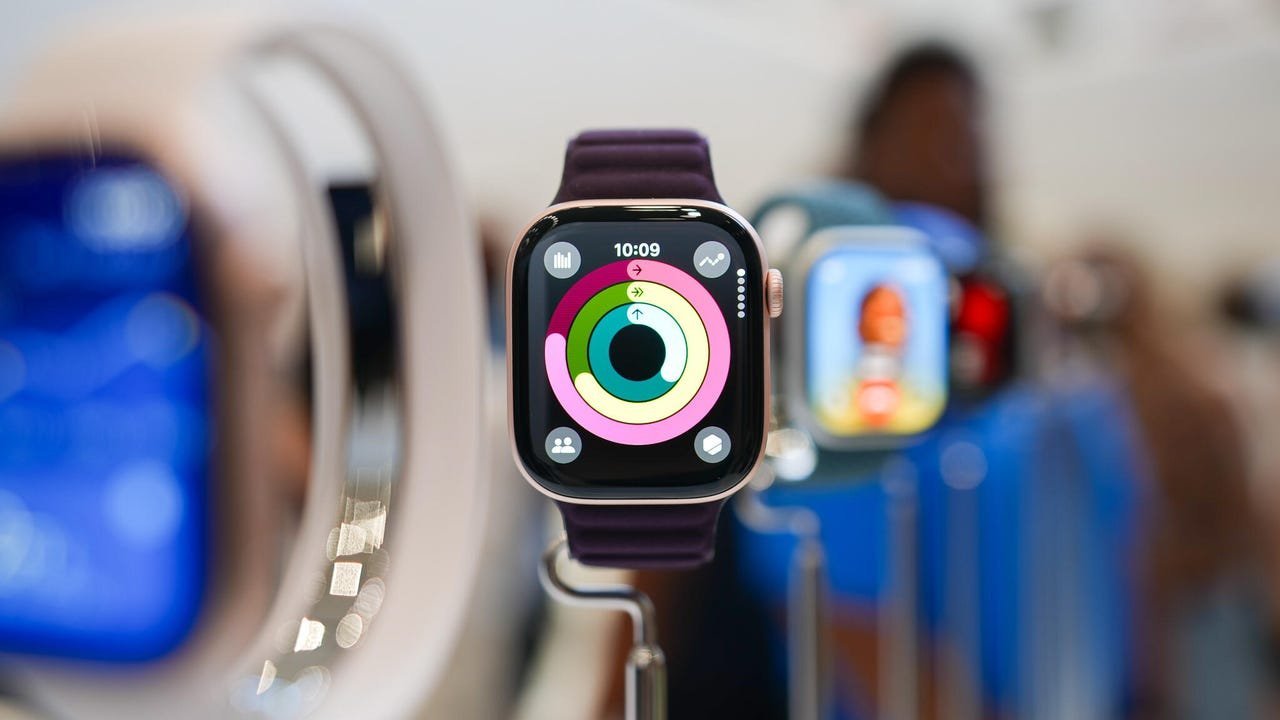 However, as wearables testers know, cross-device score variations reveal the subjective nature of such metrics, demanding rigorous validation.
Under the Hood: Hardware and Connectivity Upgrades
- New Processor: A custom silicon upgrade is almost certain, enhancing on-device AI processing for real-time health insights while optimizing battery life—a critical concern for continuous monitoring.
- Satellite Connectivity (Ultra 3 Exclusive): Targeted at adventurers, this feature would extend emergency SOS capabilities beyond cellular range, though it may remain exclusive to the premium Ultra line, reflecting Apple's tiered ecosystem strategy.
Why This Matters for Tech Leaders
These rumors underscore Apple's ambition to make wearables central to preventive healthcare. An AI health coach could push developers toward more actionable, context-aware apps, while blood pressure tech—if successful—might inspire open-source sensor innovations. Yet, challenges persist: regulatory landscapes, data security, and ensuring AI recommendations avoid overmedicalization. As we await September's reveal, one thing is clear: Apple isn't just iterating on gadgets; it's architecting a future where watches are indispensable health partners.
Source: Based on reporting by Nina Raemont for ZDNET, with additional insights from Bloomberg's Mark Gurman.
Comments
Please log in or register to join the discussion