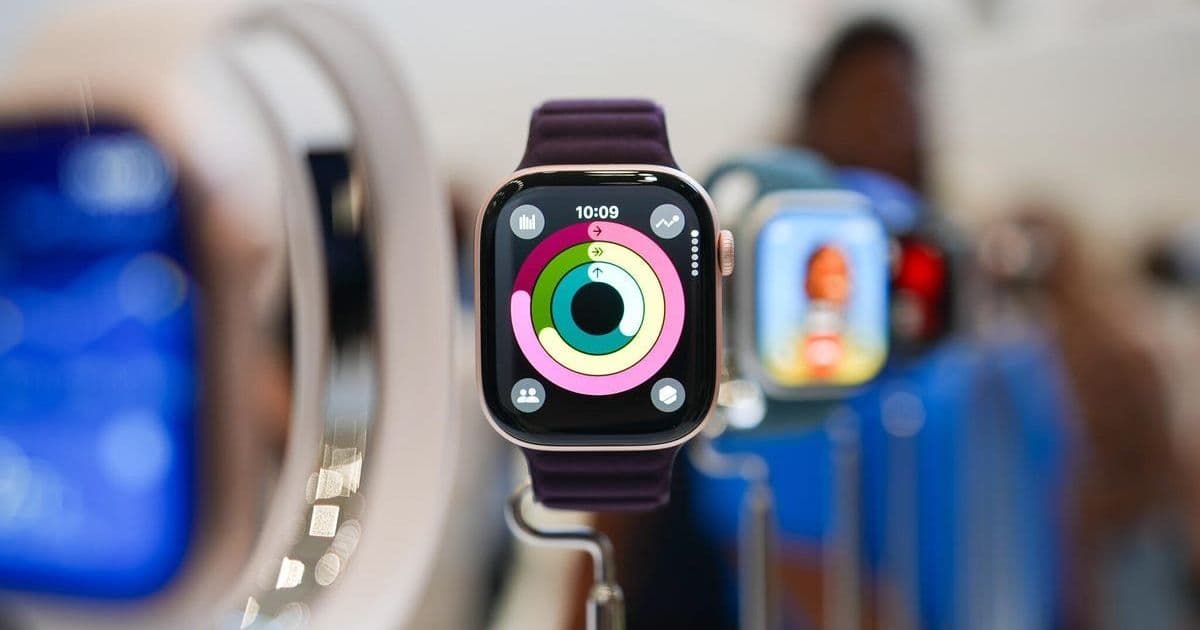
As Apple's September event approaches, leaked details suggest the Watch Series 11 and Ultra 3 could introduce groundbreaking health monitoring capabilities including blood pressure tracking, sleep scoring, and an AI health coach. These rumored features represent Apple's most ambitious push yet into medical-grade wearables and personalized AI-driven wellness.
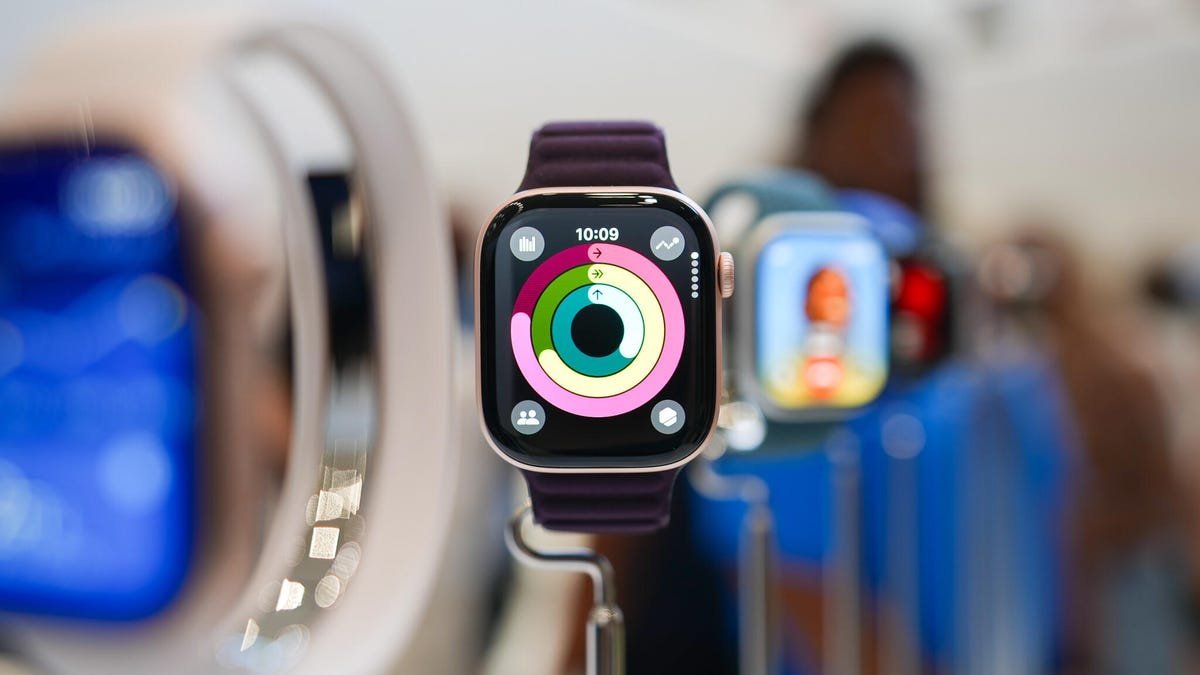
Tomorrow's Apple event isn't just about iPhones. According to multiple credible leaks, the upcoming Apple Watch Series 11 and Ultra 3 models might deliver the most significant health technology advancements we've seen in consumer wearables. These rumored features could fundamentally expand how developers approach health applications and how users interact with wellness data.
The Health Tech Triple Threat
Three features stand out in their potential to disrupt:
Blood Pressure Monitoring: After years of development hurdles, Apple may finally introduce cuffless blood pressure tracking. Unlike current clinical tools requiring arm compression, this optical sensor technology would enable passive monitoring throughout the day—a potential game-changer for hypertension management.
Algorithmic Sleep Scoring: Code discovered in WatchOS 26 reveals a "Watch Focus Score" system that would grade sleep quality using multiple biometric inputs. This positions Apple to compete directly with specialized sleep trackers like Oura and Whoop, though accuracy validation remains crucial given the subjective nature of sleep metrics.
"The AI agent is being trained using data from physicians on staff," reports Bloomberg's Mark Gurman about Apple's health initiatives, highlighting the medical rigor behind these features.
- AI Health Coach (Project Mulberry): Potentially the most transformative addition, this AI system would analyze aggregated health data to provide personalized recommendations. Imagine receiving actionable insights like "Your resting heart rate trend suggests you're overtraining—consider active recovery today" based on physiological patterns.
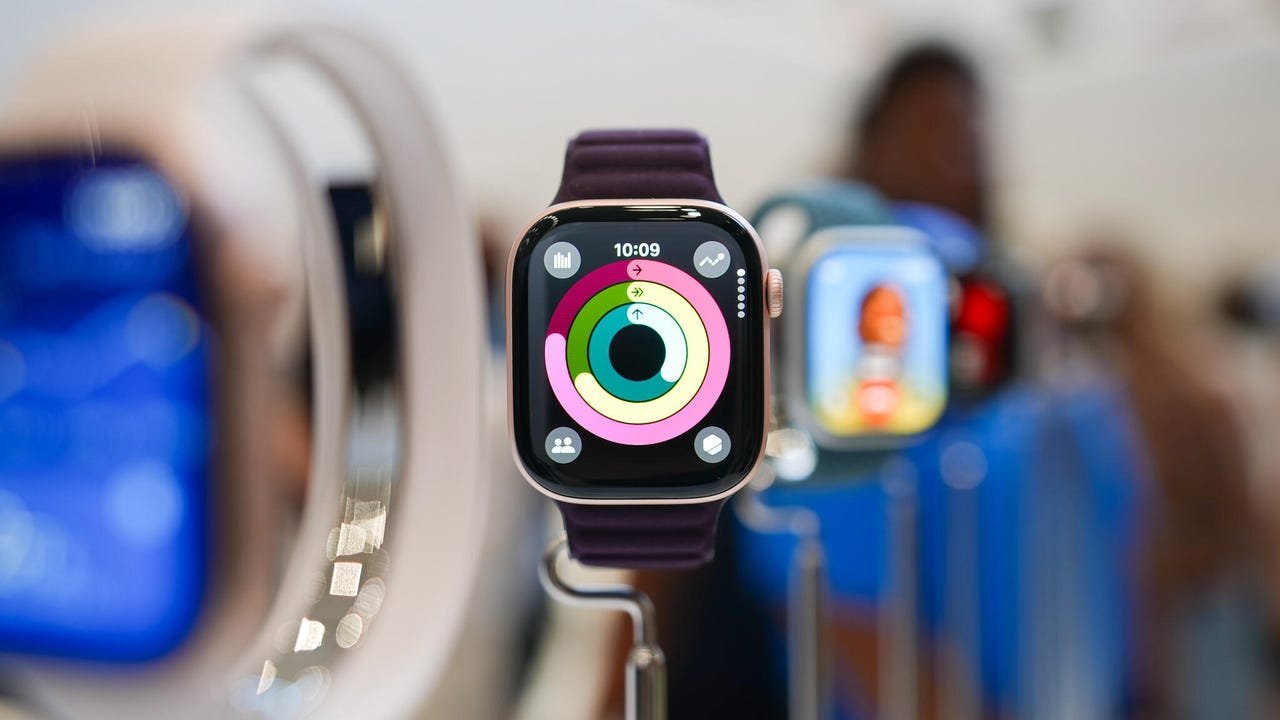 Current Apple Watch display technology that may see brightness upgrades in Series 11 (Credit: Kerry Wan/ZDNET)
Technical Underpinnings and Developer Implications
Beyond health, significant hardware upgrades are expected:
- Brighter Displays: Series 11 may jump to 3,000 nits brightness (matching Ultra 2), improving outdoor visibility
- Larger Ultra Screen: The rugged Ultra 3 model could gain screen real estate
- New Processors: Custom silicon upgrades for both models
- Satellite Connectivity: Ultra 3 may gain standalone satellite messaging, appealing to outdoor enthusiasts
For developers, these advancements open new frontiers:
- HealthKit APIs for sleep scores and blood pressure data could enable novel third-party health applications
- The AI coach infrastructure might eventually support integration with wellness platforms
- Satellite connectivity enables new categories of safety and adventure apps
The Accuracy Question
While exciting, these features face validation challenges. As wearables editor Nina Raemont notes: "When testing multiple devices simultaneously, I'd receive three different sleep scores—proof that algorithmic health metrics aren't yet objective." Regulatory clearance and clinical validation will be critical for medical credibility, especially for blood pressure monitoring.
Apple's pattern of methodically validating health features (like their FDA-cleared ECG and sleep apnea detection) suggests they'll prioritize accuracy over speed to market. If successful, Series 11 could accelerate the trend of wearables transitioning from fitness trackers to legitimate health monitoring tools.
These rumored advancements highlight wearables' evolution from notification mirrors to autonomous health advisors. As Apple potentially crosses the threshold into medical-grade monitoring tomorrow, it forces the entire industry to confront a fundamental question: How much of our healthcare can—and should—be delegated to algorithms on our wrists?
Source: ZDNET
Comments
Please log in or register to join the discussion