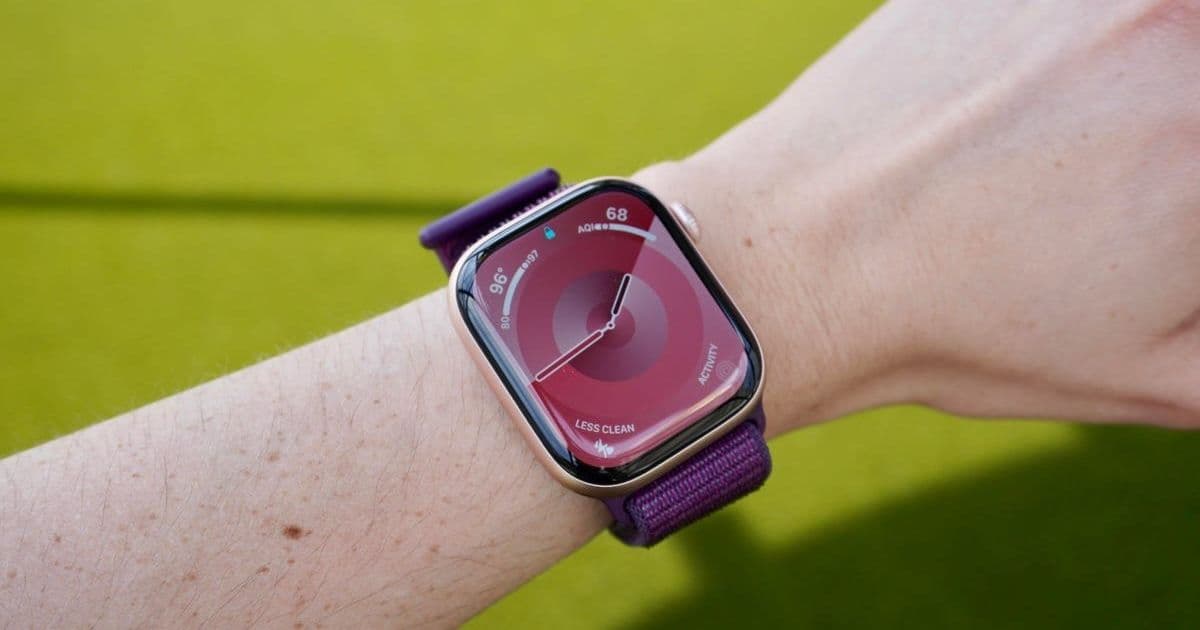
With Apple's 'Awe-dropping' event imminent, a wearables editor outlines the critical upgrades—from extended battery life to AI-driven health insights—that could make the Series 11 a must-have for tech enthusiasts. These innovations promise to address user frustrations and set new benchmarks in a fiercely competitive smartwatch market.
As the tech world braces for Apple’s annual September event, dubbed 'Awe-dropping,' all eyes are on Cupertino for revelations about the iPhone 17, AirTags, and—most tantalizing for wearable aficionados—three new Apple Watch models. Amid swirling rumors of satellite connectivity in the Ultra 3 and hypertension monitoring, the potential for the Apple Watch Series 11 to leapfrog competitors hinges on addressing core user demands. Drawing from extensive testing of 2025’s top smartwatches, here’s a deep dive into the features that could make the Series 11 an instant upgrade catalyst.
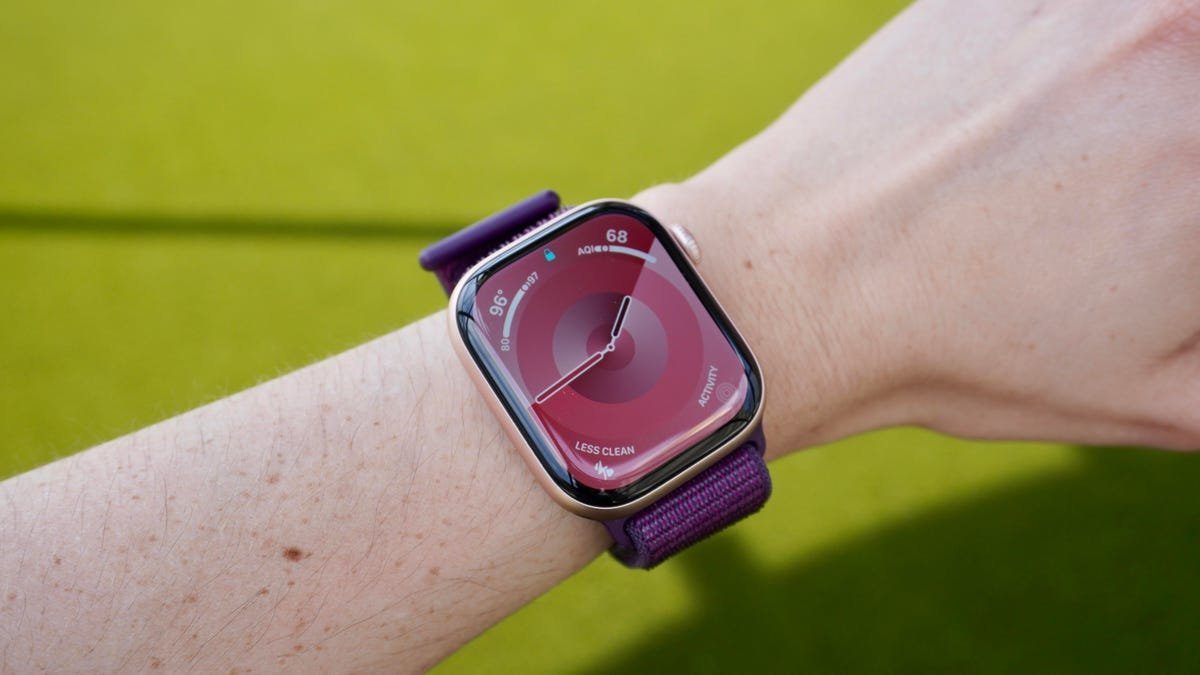
1. The Battery Life Imperative: Beyond the 24-Hour Ceiling
Smartwatches promise seamless integration into daily life, yet even Apple’s best struggle to surpass 36 hours without resorting to battery-saving modes. While the Series 10 made strides with rapid charging (0–85% in 30 minutes), users crave multi-day endurance for uninterrupted sleep tracking, workout logging, and phone-free connectivity. In a market where devices like Garmin’s Fenix last weeks, Apple could reclaim leadership by optimizing power efficiency in watchOS—potentially through low-energy silicon or AI-driven resource management. For developers, this opens doors for always-on health apps without compromising user experience.
2. Display Brilliance: Catching Up to the 3,000-Nit Standard
Apple’s Ultra 2 leads with a dazzling 3,000-nit display, but the Series 10 lags at 2,000 nits—falling short against rivals like Samsung’s Galaxy Watch and Google’s Pixel Watch 4. A brightness boost isn’t just about specs; it’s critical for readability in sunlight during runs or underwater swims. Rumors suggest Apple will close this gap, leveraging OLED advancements for vivid, energy-efficient screens. This isn’t mere one-upmanship—it’s a usability essential for athletes and outdoor professionals who rely on real-time data.
3. Sleeker Form Factor: The Quest for Invisibility
Wearability defines adoption. Last year’s Series 10 set a precedent as Apple’s thinnest watch, enhancing comfort for 24/7 wear. With leaks hinting at an even slimmer profile, Apple could mimic its rumored 'thinnest iPhone' philosophy, reducing bulk without sacrificing sensor accuracy. For engineers, this poses challenges: packing advanced hardware like blood-pressure monitors into minimalist designs requires breakthroughs in component miniaturization and heat dissipation.
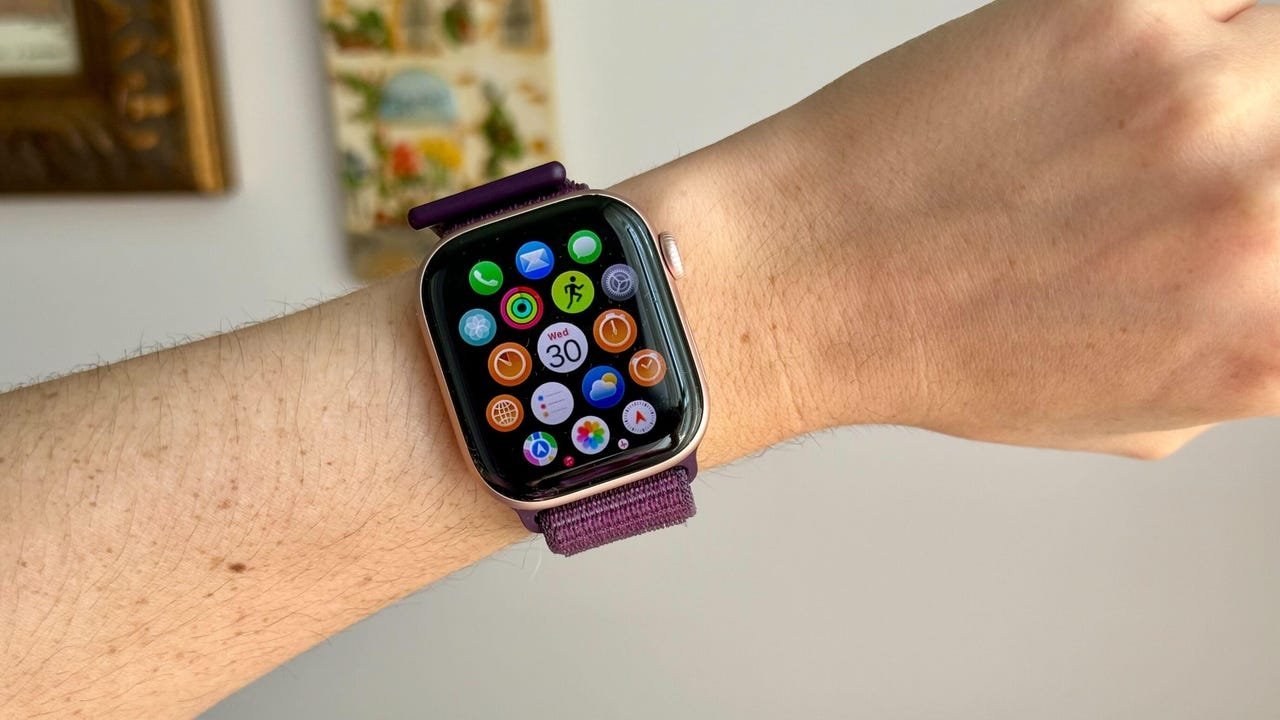 Caption: Current Apple Watch models, like this one running watchOS 26, face design evolution pressures. (Credit: Nina Raemont/ZDNET)
4. FDA-Cleared Health Tech: Elevating Medical Credibility
Apple’s methodical, research-backed approach—exemplified by FDA-cleared sleep apnea detection—differentiates it from feature-bloated rivals. Expanding this to conditions like hypertension or glucose monitoring would transform the Series 11 from a fitness tracker to a medical tool. Such advancements hinge on clinical validation and sensor fusion (e.g., combining PPG heart-rate data with accelerometers). For health-tech developers, this signals opportunities for FDA-partnered apps, though it demands rigorous data privacy safeguards.
5. Sleep Scoring: Bridging Data and Actionable Insights
While Apple’s Vitals app quantifies metrics like respiration rate, it avoids synthesizing them into holistic 'sleep scores'—a staple in Oura Rings and Whoop bands. Integrating AI to interpret sleep quality could democratize health insights, turning raw biometrics into personalized recommendations (e.g., 'Recovery Focus: Rest tonight'). Leaks suggest Apple is exploring this, which would require sophisticated algorithms trained on diverse user data. For the industry, it’s a step toward predictive wellness, reducing user burden in data analysis.
6. Contextual Stress Tracking: From Numbers to Narratives
Heart-rate spikes tell half the story. Current Apple Watches log trends but lack granular timelines—say, correlating a stress surge to a 10 a.m. meeting. Advanced stress tracking, as seen in Oura’s minute-by-minute 'Stress Resilience,' would use HRV (Heart Rate Variability) and motion sensors to map physiological responses contextually. Implementing this demands enhanced on-device ML for real-time processing, empowering users with actionable feedback rather than passive data dumps.
As Tuesday’s event looms, the Series 11 isn’t just another iteration—it’s a litmus test for Apple’s vision in a wearables market hungry for substance over spectacle. Success could catalyze industry-wide shifts: longer batteries pushing IoT boundaries, medical features blurring consumer/clinical lines, and AI making health data universally accessible. For now, developers and users alike await cues on whether Apple will listen—or lead.
Comments
Please log in or register to join the discussion