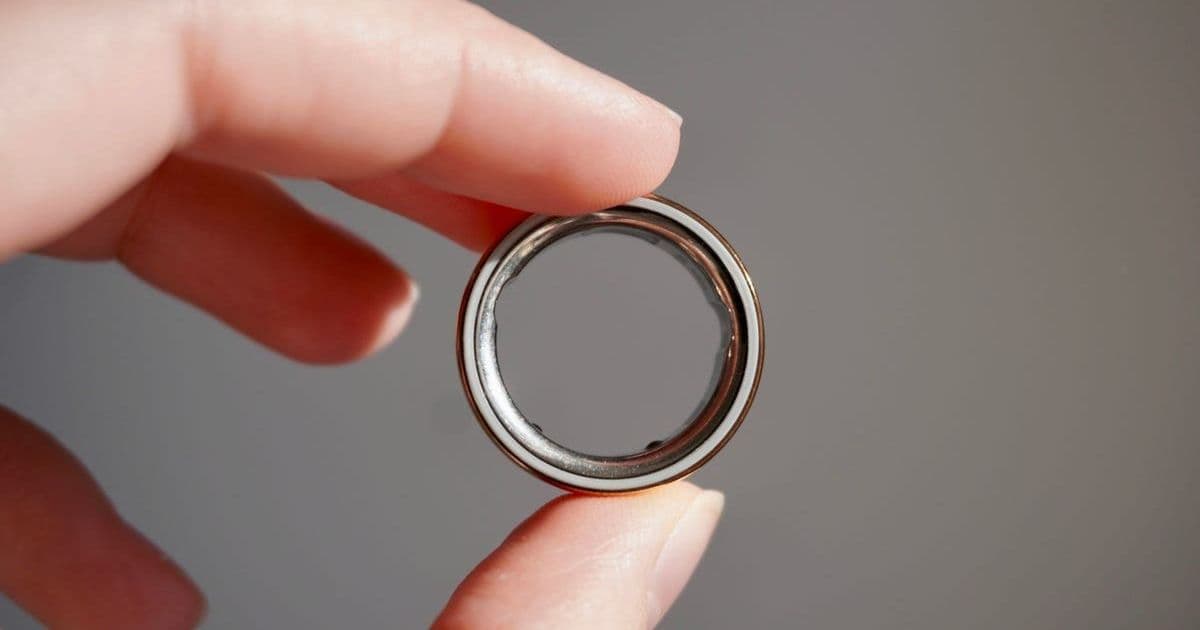
As smart rings evolve beyond basic sleep tracking, ZDNET's extensive testing reveals which models deliver genuine innovation for health-conscious tech users. The Oura Ring Gen 4 leads with unparalleled data insights, while Samsung's Galaxy Ring brings Android integration and Ultrahuman offers subscription-free biohacking.
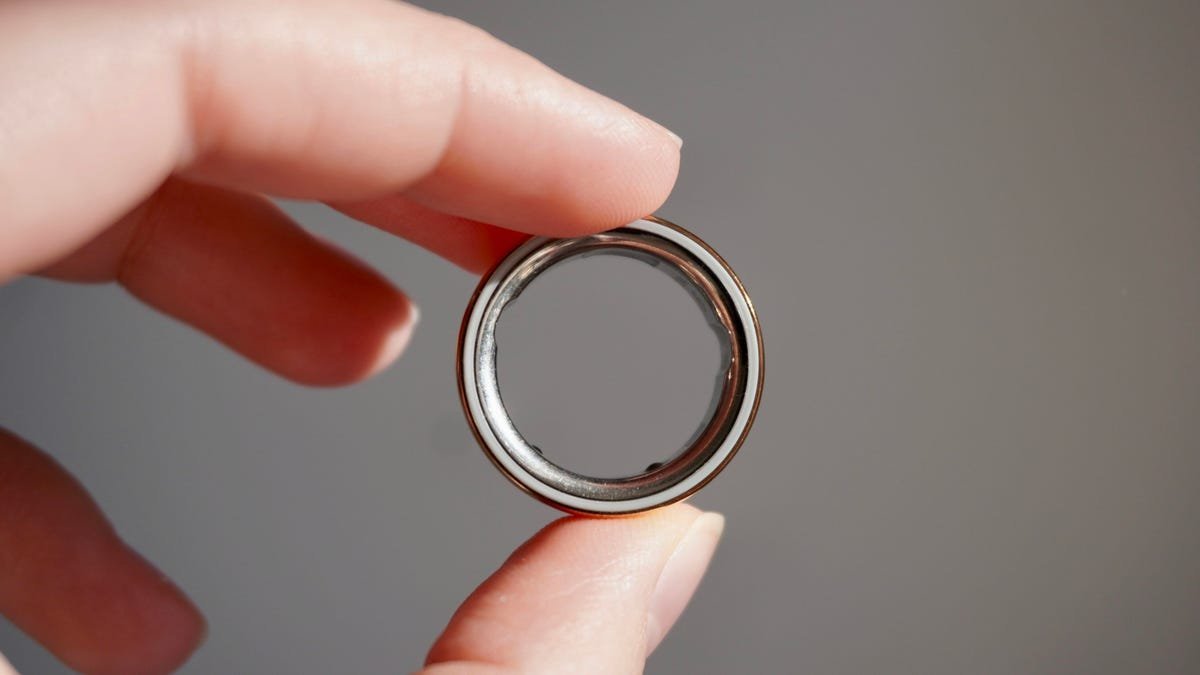
For developers and hardware engineers, the smart ring represents one of wearable technology's most challenging frontiers: packing sophisticated sensors into a jewelry-sized form factor while maintaining battery life and comfort. ZDNET's Nina Raemont recently conducted rigorous multi-week testing of leading models, revealing significant technical differentiators that matter to tech-savvy users.
The Data Interpretation Leader: Oura Ring Gen 4
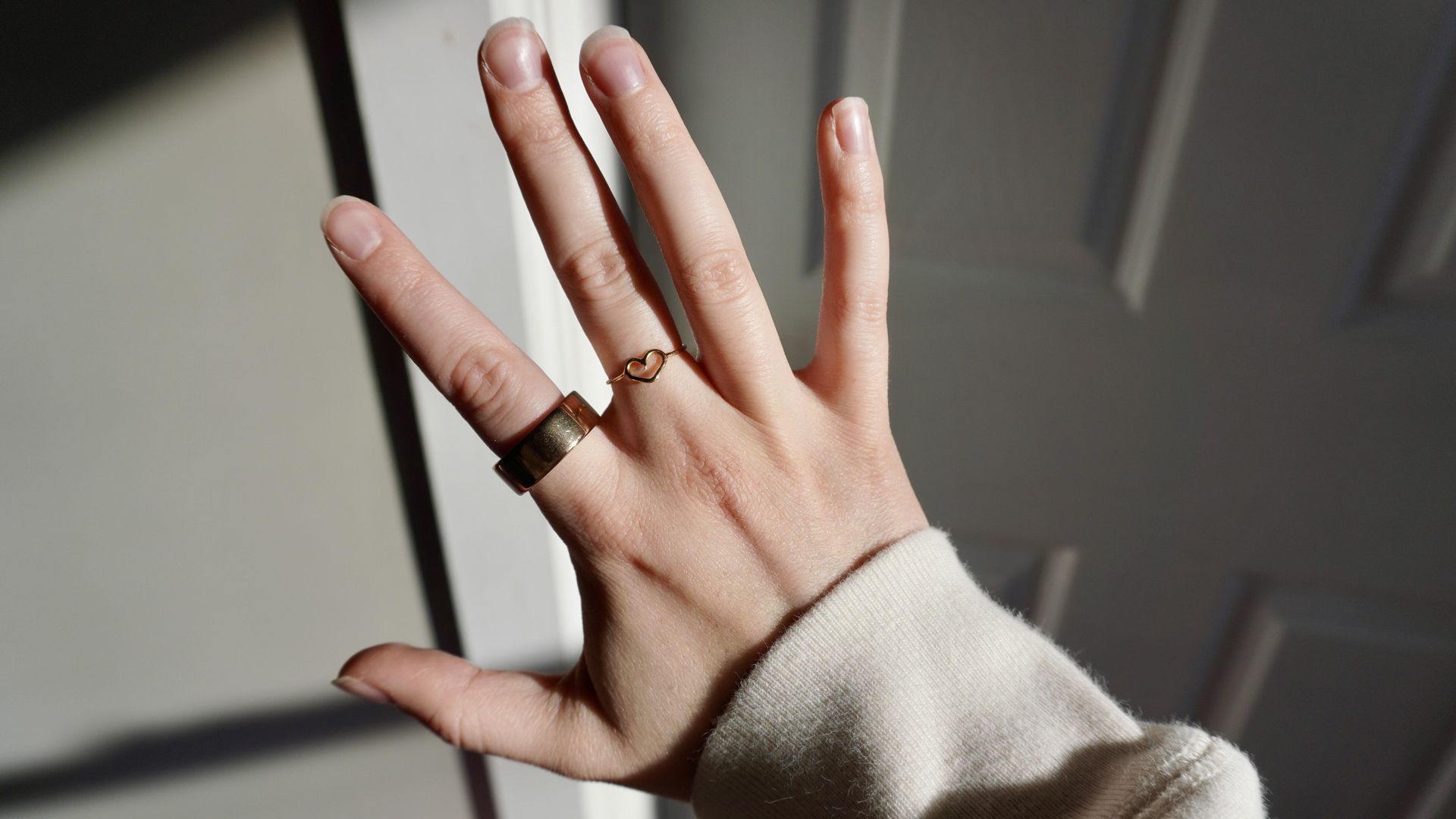
Why engineers should care: The Gen 4's dominance lies not just in sensor hardware (PPG, temperature, 3D accelerometer), but in its proprietary algorithms that transform raw biometrics into actionable insights. As Raemont notes: "It doesn't just report scores—it visualizes how factors like heart rate variability and temperature shifts correlate with sleep quality, then surfaces research-backed behavioral adjustments."
Technical highlights:
- Contextual data storytelling through longitudinal trend analysis
- API integrations with health platforms like Natural Cycles and Strava
- Titanium construction with medical-grade inner molding (sizes 4-15)
- Tradeoff: Requires $6/month subscription for full data access
Battery Life: 8 days
Charging: 20-80 minute full charge
Sensors: PPG, skin temp, 3-axis motion
The Android Ecosystem Play: Samsung Galaxy Ring
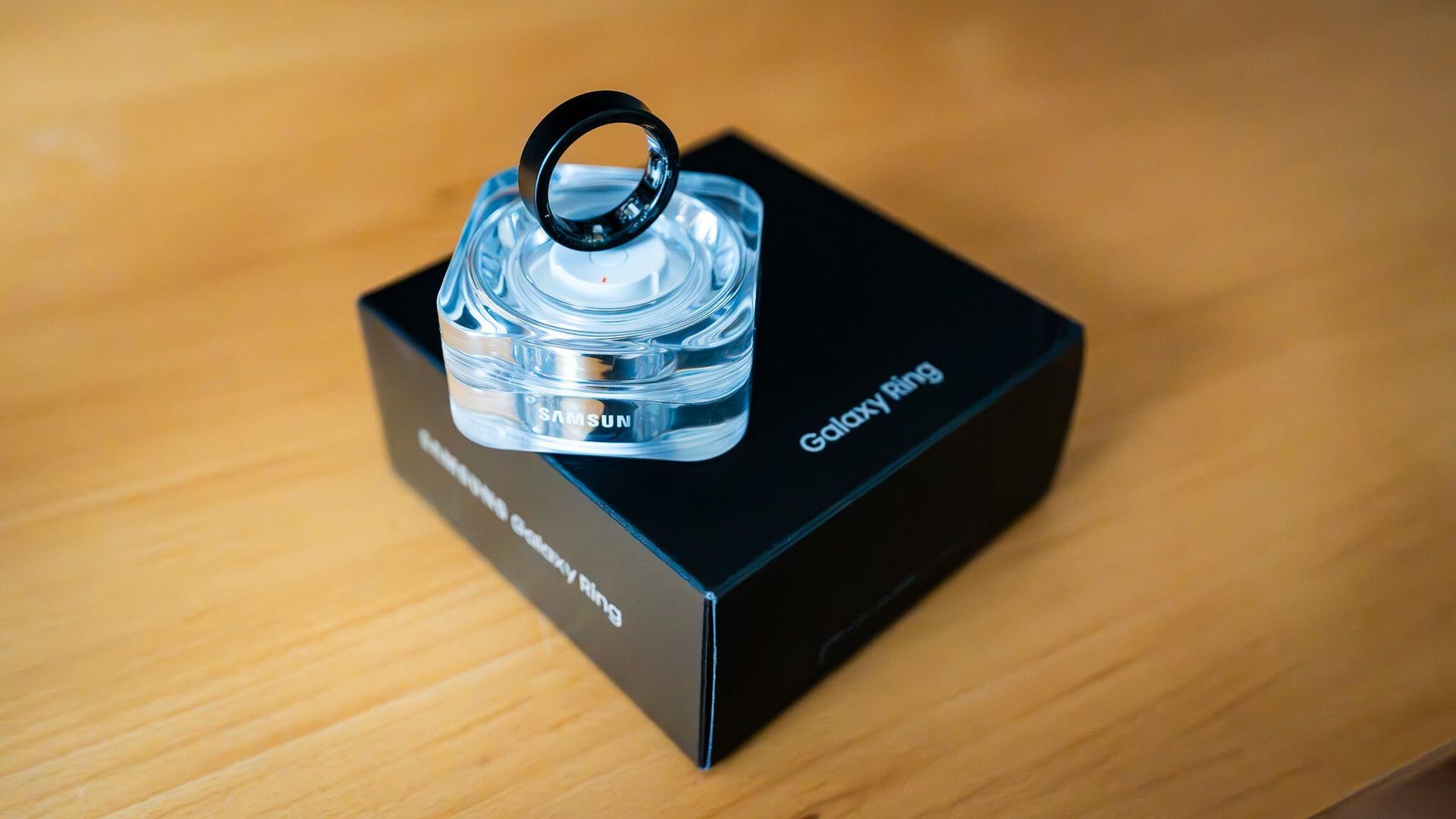
Engineering significance: Samsung leverages its smartphone dominance to create unique cross-device functionality impossible for standalone players. The Galaxy Ring's "double-pinch" gesture control demonstrates how rings could evolve beyond passive monitoring into active input devices.
Key technical differentiators:
- Exclusive photo capture/device control via hand gestures
- Deep Samsung Health ecosystem integration
- Titanium build with 10ATM water resistance
- Limitation: iOS incompatibility restricts developer audience
"For Android developers, this represents the most viable platform for building ring-integrated experiences," observes Raemont. "The hardware-software synergy here is unmatched."
The Subscription-Free Contender: Ultrahuman Ring Air
Technical innovation: Positioned as a "biohacker's tool," Ultrahuman focuses on metabolic optimization algorithms. Its real achievement is matching Oura's advanced features (like cardio adaptability scoring) without subscription paywalls—a significant architecture decision.
Notable specs:
- Tungsten carbide-coated titanium casing
- Multi-wavelength PPG (red/green/IR LEDs)
- 6-axis motion sensors
- Battery drawback: 6-day life trails competitors
The Budget Engineering Marvel: RingConn Gen 2 Air
Why it impresses: At $199 with 10-day battery life, this model proves extended operation is possible in cost-constrained designs. Its "Wellness Balance" metric combines sleep, stress, and activity data into a single score—an interesting algorithmic approach to data simplification.
The Underlying Tech Race
For developers watching this space, three battles are unfolding:
- Battery vs. Features: Can manufacturers maintain >7-day battery life while adding features like continuous SpO2 monitoring?
- Sensor Fusion: How effectively can rings correlate temperature fluctuations, HRV, and movement to detect illnesses (like Oura's Symptom Radar)?
- Platform Wars: Will Apple respond with a ring to complete its health ecosystem?
As Raemont concludes: "These rings aren't just smaller wearables—they're laboratories on your finger. The company that best translates raw biometrics into genuine health outcomes without overwhelming users will dominate the next decade of personal monitoring."
Source: ZDNET Smart Ring Comparison
Comments
Please log in or register to join the discussion