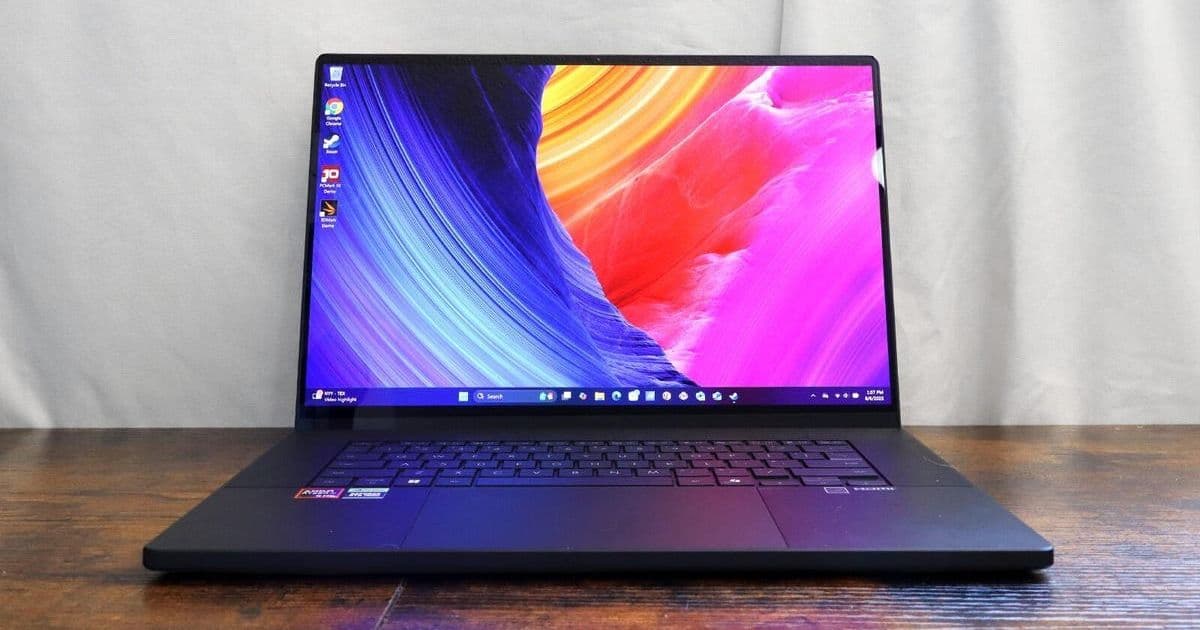
The 2025 Asus ProArt P16 emerges as a formidable Windows alternative to Apple's MacBook Pro, boasting AMD Ryzen AI HX 370 and Nvidia RTX 5070 power for demanding creative tasks. While its 4K OLED display and innovative DialPad enhance precision workflows, thermal throttling and a glossy screen pose challenges. At $2,500, it sets a new benchmark for creator laptops but demands careful consideration of its trade-offs.
The Rise of a Windows Powerhouse: Asus ProArt P16 Takes On Creative Dominance
For years, the MacBook Pro has reigned as the unchallenged sovereign of creative workstations, leaving Windows laptops scrambling to match its blend of performance, display quality, and ecosystem cohesion. Enter the 2025 Asus ProArt P16—a machine that doesn't just compete but redefines expectations for what a Windows laptop can achieve in professional creative environments. With significant hardware upgrades and workflow-centric features, it targets graphic designers, video editors, and 3D artists seeking uncompromising power outside Apple's walled garden.
Under the Hood: Raw Performance Meets Real-World Application
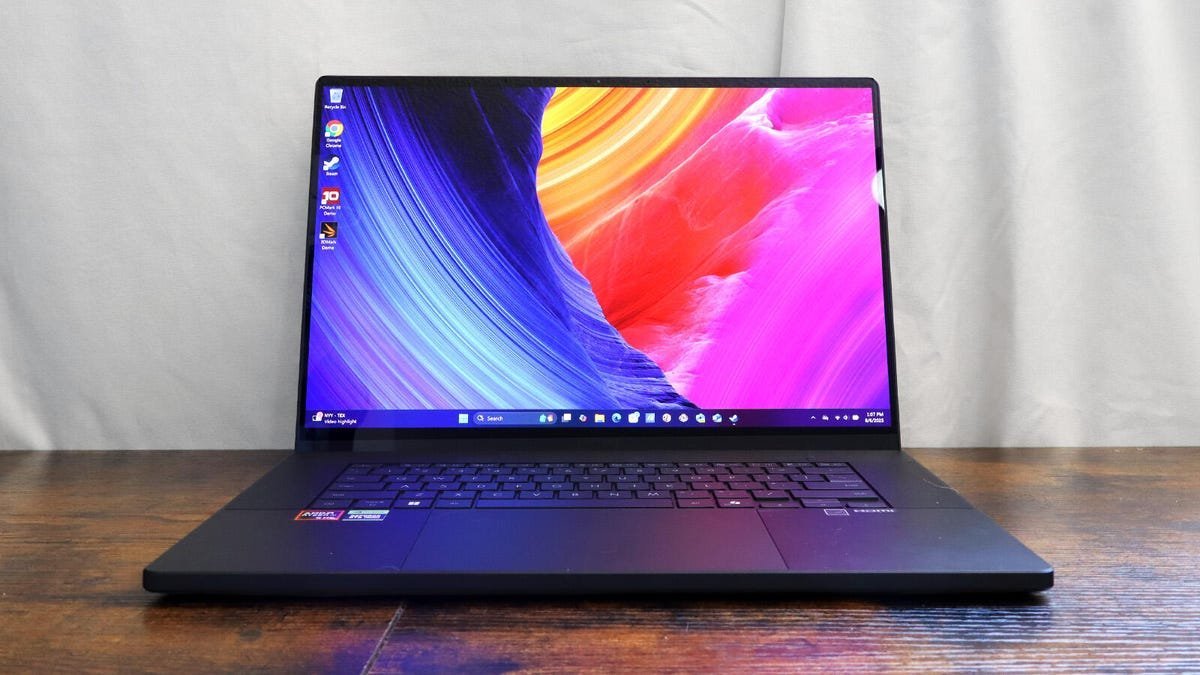
At its core, the ProArt P16 houses an AMD Ryzen AI HX 370 processor and Nvidia GeForce RTX 5070 GPU, paired with 32GB of RAM. This configuration isn't just about specs—it's engineered for tangible productivity gains. During testing, the laptop handled 4K video editing in CapCut, complex photo manipulation in Pixlr, and intensive 3D rendering in Blender with remarkable fluidity. Multitasking across 20+ Chrome tabs while rendering showed minimal lag, highlighting its suitability for resource-heavy workflows.
However, this power comes with a thermal cost. The laptop's cooling system, reliant on large bottom vents, struggles under sustained loads, leading to noticeable heat dissipation issues. As noted in hands-on testing:
"I do not recommend placing the computer on your lap unless you want your legs to be cooked. Overheating remains a critical limitation, particularly during extended rendering sessions or accidental gaming attempts—its 60Hz refresh rate makes it ill-suited for the latter anyway."
Benchmark comparisons reveal the P16's prowess against key rivals, including its predecessor and Apple's M4 MacBook Pro. Below is a summary of critical performance metrics:
| Device | Cinebench 24 MC | Geekbench 6.2.2 SC | Geekbench 6.2.2 MC |
|---|---|---|---|
| Asus ProArt P16 (2025) | 1,211 | 2,896 | 15,194 |
| Apple MacBook Pro M4 | 906 | 3,823 | 14,849 |
| Asus ProArt P16 (2024) | 1,096 | 2,904 | 12,787 |
| MSI Stealth 16 AI | 1,129 | 2,687 | 15,883 |
The data shows a 10-15% multicore performance jump over the 2024 model, outpacing the M4 MacBook Pro in multicore tasks despite Apple's lead in single-core efficiency. This positions the P16 as a viable alternative for parallelized workloads like 3D rendering and batch processing.
Creator-Centric Innovations: DialPad and ProCreator Hub
Beyond raw speed, Asus focuses on enhancing creative precision. The DialPad—a physical rotary controller embedded in the touchpad's corner—offers app-specific customization for tools like brush sizing in Photoshop or timeline scrubbing in video editors. Testing revealed its strength in delicate operations, though the lack of haptic feedback limits its effectiveness for drag actions. As one tester described:
"Using the DialPad alongside the touchpad creates a symbiotic workflow—left hand for parameter adjustments, right for navigation. Alone, it’s supplementary; combined, it’s transformative for efficiency."
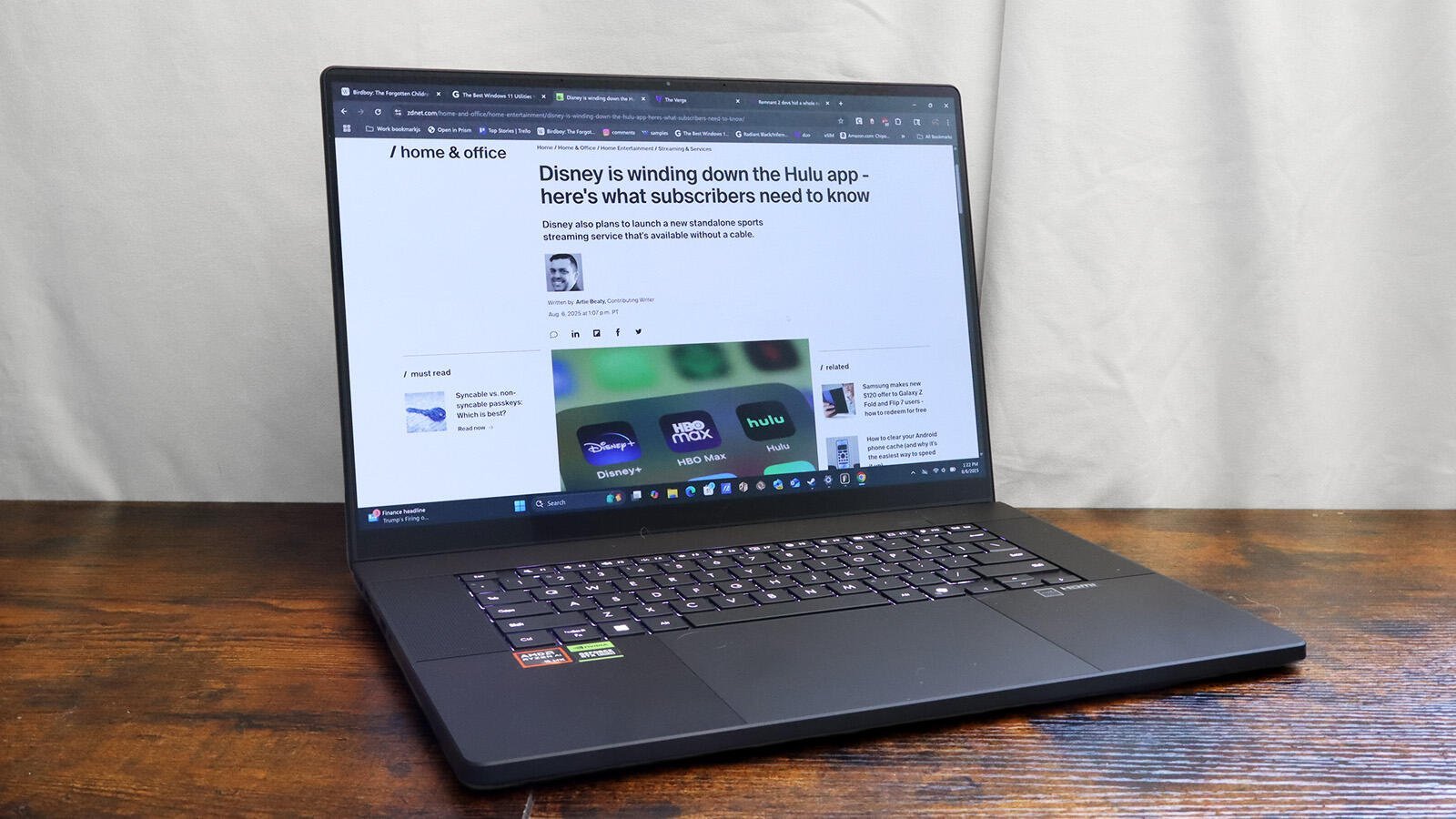
The ProCreator Hub software suite amplifies this further. Features include:
- Performance Profiles: Switch between power modes (e.g., "Quiet" for battery longevity, "Turbo" for rendering) without BIOS tweaks.
- WorkSmart: Launch app groups (e.g., Photoshop, Lightroom, Premiere) with one click, saving setup time.
- Color Control: Dynamically adjust display gamuts (e.g., DCI-P3 for film, Display P3 for vibrancy), leveraging the stunning 16-inch 4K OLED panel.
Despite the display's color accuracy and vibrancy, its glossy finish causes significant reflections in bright environments, and the 60Hz refresh rate feels outdated next to high-refresh competitors.
The Verdict: Who Should Bet on This Contender?
Priced at $2,500 (currently at Best Buy), the ProArt P16 sits at a premium tier, commanding a $500 premium over its 2024 predecessor. For professionals dealing with GPU-intensive tasks like AI-assisted rendering or 4K compositing, the performance uplift justifies the cost—especially given its lead over equivalently priced Windows rivals. Yet, thermal constraints and the reflective screen necessitate environmental mindfulness; this isn't a café-friendly device.
For developers and creatives entrenched in macOS, the P16 presents a compelling cross-platform argument, particularly with Linux compatibility likely via Asus' open-driver approach. Its emergence signals a broader shift: Windows laptops are closing the creator-gap through specialized hardware and software integration, challenging Apple's dominance not just on specs, but on workflow innovation. While not flawless, the ProArt P16 proves that the throne isn't as unshakeable as it once seemed—and that’s a win for the entire creative ecosystem.
Source: ZDNET
Comments
Please log in or register to join the discussion