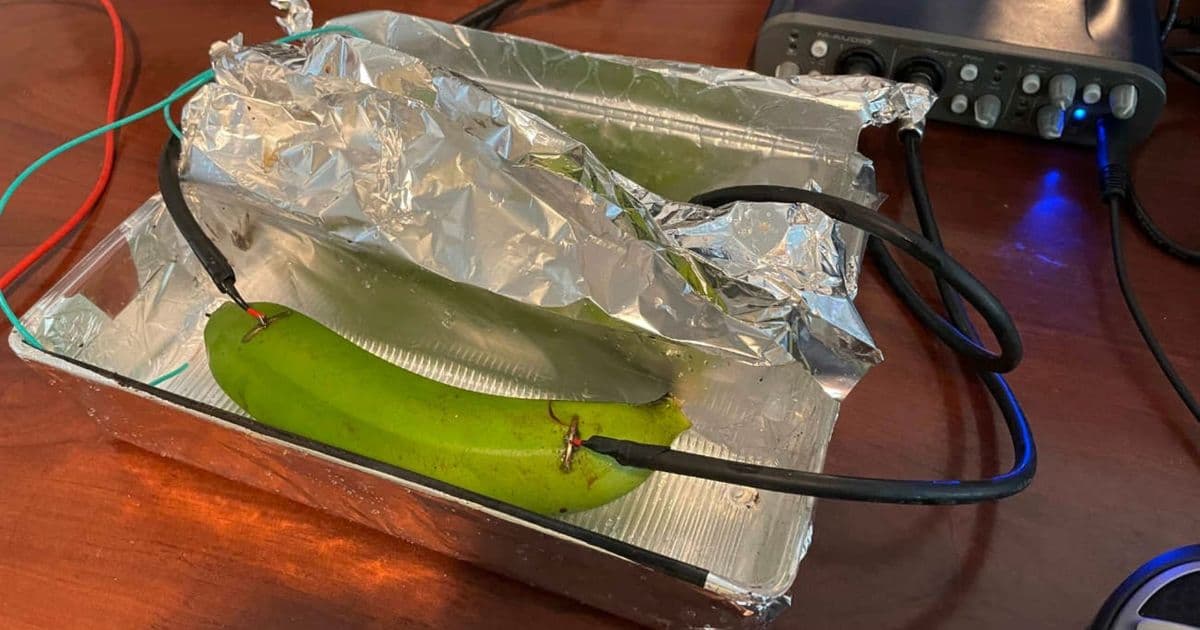
A diyAudio forum experiment showed listeners couldn't distinguish audio signals passed through copper wire, banana, or wet mud, challenging assumptions about exotic audio cables.
A blind listening test conducted by diyAudio forum moderator Pano has delivered surprising results that challenge long-held beliefs about audio cable quality and exotic materials in high-end audio systems. The experiment demonstrated that average listeners cannot reliably distinguish between audio signals transmitted through professional copper wire, a banana, or wet mud from a backyard.
The Experiment Setup
Pano designed a controlled test using four different signal paths:
- Original CD audio file
- 180cm of professional audio copper wire
- 20cm of wet mud
- 120cm of old microphone cable soldered to US pennies
- 13cm banana with 120cm of the same penny-soldered cable
The test invited forum members to listen to various sound clips and identify which version used which wiring setup. After a month of collecting responses, the results were tabulated and analyzed.
Results Show No Audible Difference
(Image credit: Pano/diyAudio)
The data revealed only six correct answers out of 43 total guesses, representing just 13.95% accuracy. Statistical analysis using the binomial distribution formula showed a 6.12% probability that these results could occur from random guessing - slightly above the 5% significance threshold commonly used in statistics.
"The amazing thing is how much alike these files sound. The mud should sound perfectly awful, but it doesn't," Pano noted. "All of the re-recordings should be obvious, but they aren't."
This suggests that listeners cannot detect any meaningful changes introduced by the different signal paths, whether using pro-grade copper wire or unconventional materials like wet mud.
Why It Works
The experiment's success stems from fundamental electrical principles. When materials like bananas or wet mud are introduced into an audio circuit, they essentially function as resistors in series. While these materials are poor conductors compared to copper, they don't significantly distort the audio signal - they primarily reduce the signal level rather than alter its quality.
Pano's inspiration came from watching the documentary "Amigo," which depicted the U.S. Army setting up telegraph wires in the Philippines. Initially skeptical that a single wire could work, Pano discovered that telegraph systems historically used the earth itself as a return path for signals, even over long distances.
Implications for Audio Enthusiasts
This experiment carries significant implications for the high-end audio market, where exotic cables and materials often command premium prices based on claims of superior sound quality. The results suggest that for average listeners, the choice of conductor material may be far less critical than commonly believed.
While audiophiles might argue that subtle differences exist that weren't captured in this test, the statistical evidence indicates that any such differences fall below the threshold of reliable human perception in typical listening conditions.
The findings align with broader scientific understanding of audio signal transmission and challenge the notion that exotic materials or expensive cables provide audible benefits over standard copper wire for most listeners.
For those interested in the technical details and full discussion, the original experiment thread can be found on the diyAudio forum.
Comments
Please log in or register to join the discussion