As nuclear arms control treaties fray, the Warramunga monitoring station in Australia's Northern Territory emerges as a crucial frontline defense against covert atomic testing.
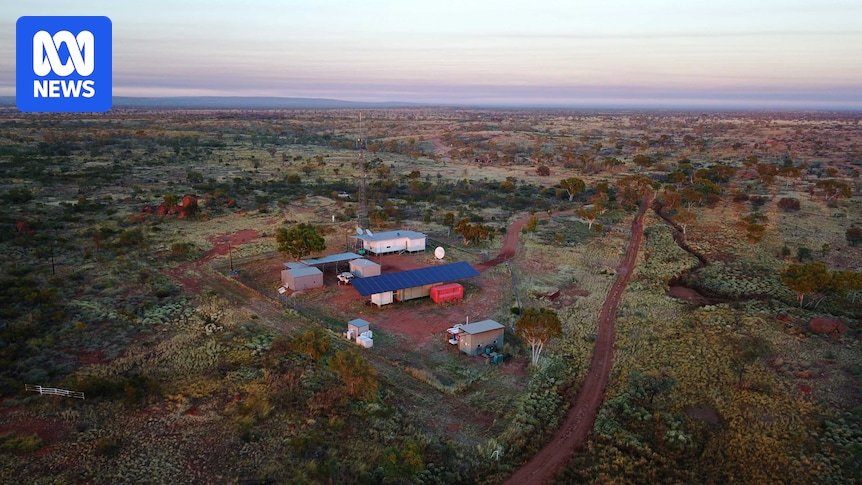
Deep in Australia's Northern Territory, where red earth stretches uninterrupted to the horizon, an unassuming cluster of sensors operates as Earth's most sensitive nuclear detection system. The Warramunga facility, situated 500km north of Alice Springs on Warumungu Country, represents an extraordinary fusion of academic research and global security—a partnership now facing unprecedented pressure as nuclear treaties collapse.
Operated by the Australian National University since 1965, Warramunga functions like a planetary stethoscope. Its 24 seismometers and eight infrasound sensors stretch across 20km of savannah, capable of distinguishing between earthquakes and nuclear detonations by analyzing vibrational signatures. When North Korea detonated its largest nuclear device in 2017, Warramunga's readings reached Vienna's Comprehensive Nuclear-Test-Ban Treaty Organization (CTBTO) before any other station.
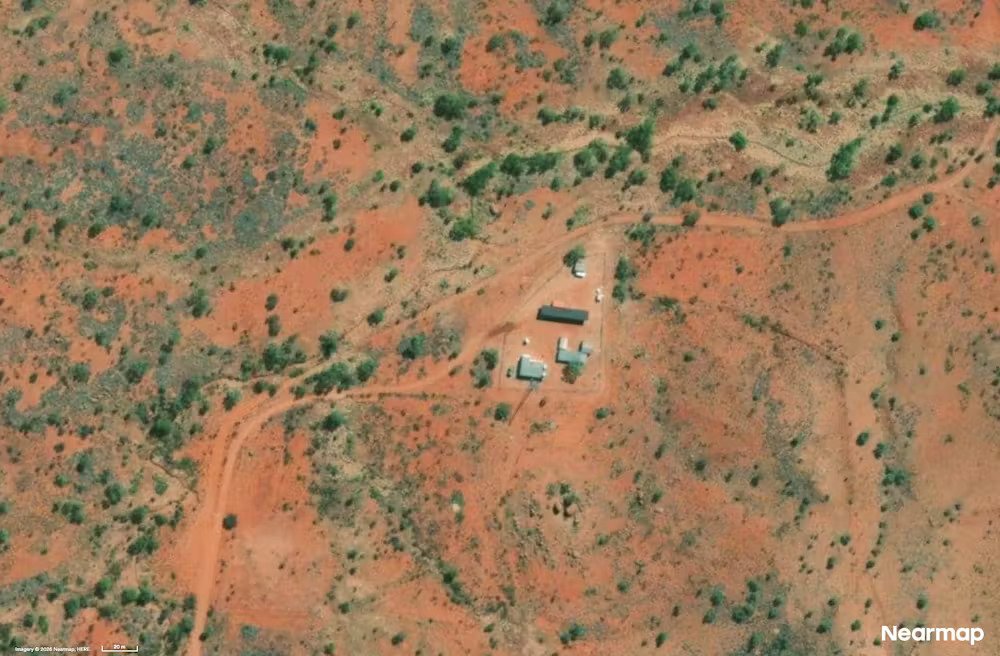
The station's effectiveness stems from its geological isolation—far from coastal interference and human activity intermixed with extreme environmental challenges. Technicians commute daily from Tennant Creek (Jurnkkurakurr in local language), battling 50°C heat, dust storms, and curious wildlife. "After infrastructure work, we found goannas wrapped around seismometers," notes Professor Hrvoje Tkalčić, who's directed the facility for 19 years. "These practical realities never appear in UN meeting rooms."
Warramunga's verification role faces its sternest test since the Cold War. With the New START treaty expired and both US and Russian leaders threatening renewed testing, the facility's continuous data stream to Vienna becomes critical. The station detects more seismic events than any other in the CTBTO's 300-facility global network—a capability that historically deterred covert testing by guaranteeing detection.
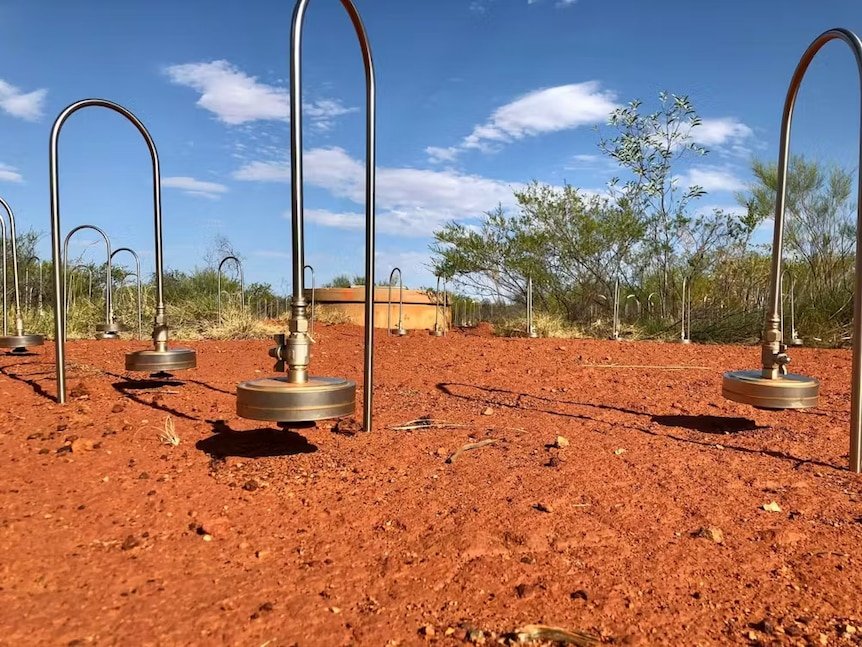
Beyond nuclear monitoring, the station contributes to fundamental science. Its infrasound array first documented Morning Glory clouds—atmospheric waves traveling 1,400km from Cape York—and helps researchers study Earth's inner core. This dual purpose exemplifies how academic institutions contribute to global security: ANU technicians calibrate sensors while diplomats in Vienna analyze their data.
As geopolitical tensions escalate, Warramunga's quiet vigilance highlights an uncomfortable truth: Our strongest defense against nuclear proliferation isn't treaties alone, but the certainty that violations won't go unnoticed. With technicians battling brumbies and bureaucrats battling rhetoric, this desert outpost remains humanity's ear pressed firmly against Earth's heartbeat.
Comments
Please log in or register to join the discussion