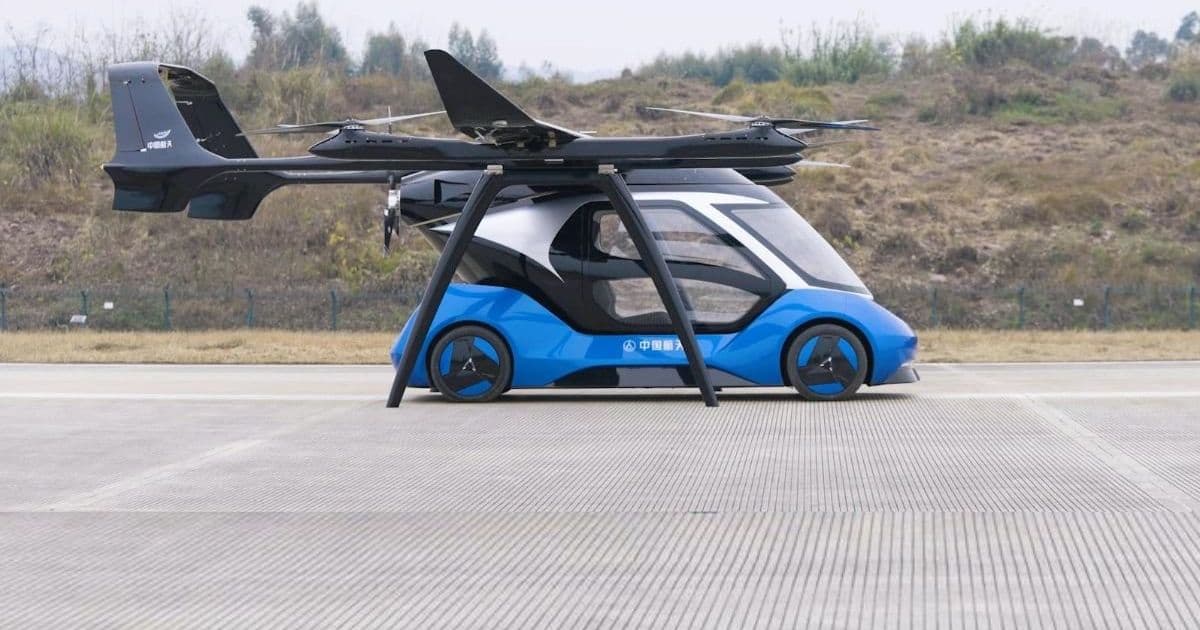
China's aerospace leader CASC has successfully tested a revolutionary modular eVTOL aircraft that transitions between flight and road modes, combining aerospace engineering with automotive technology for versatile urban mobility solutions.
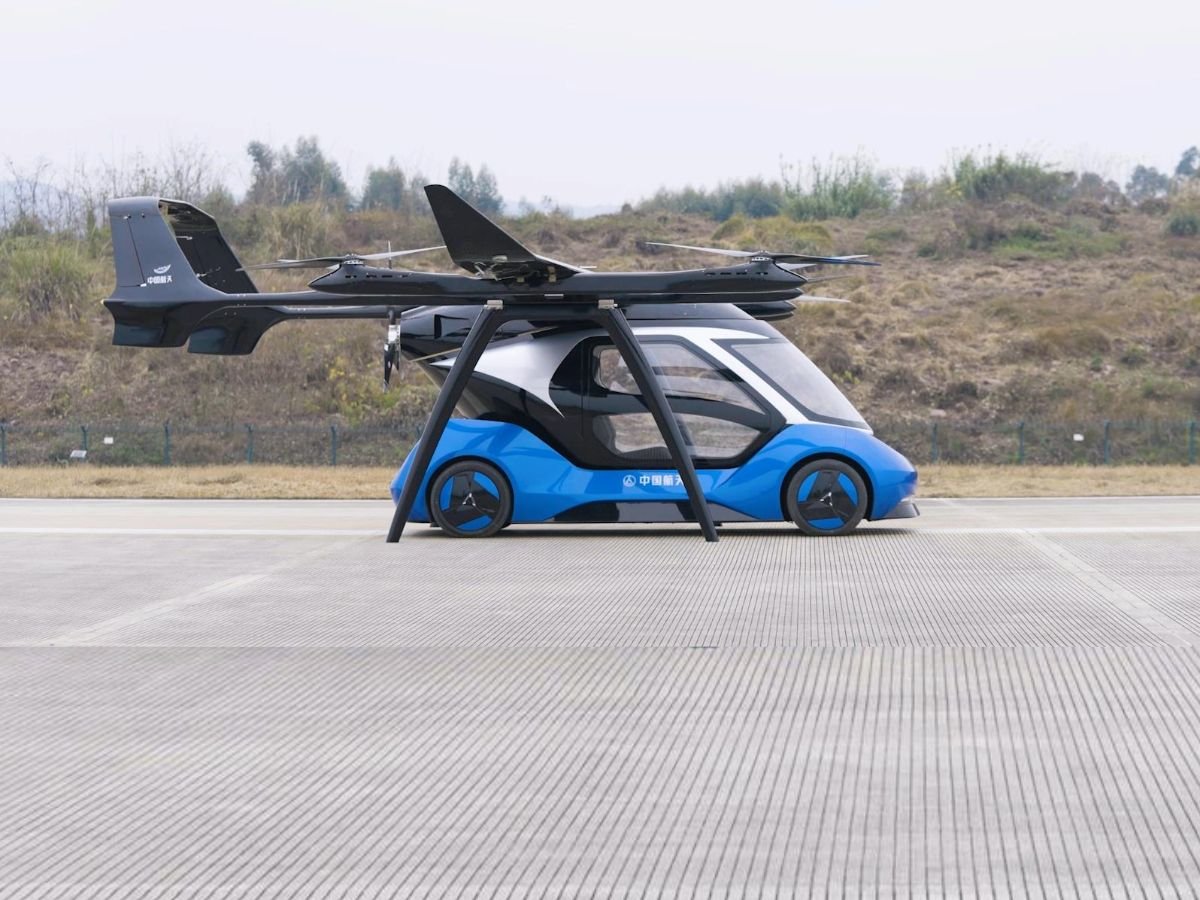
The Ninth Academy of China Aerospace Science and Technology Corporation (CASC) has achieved a significant milestone in urban air mobility with the successful maiden flight of its modular electric vertical takeoff and landing (eVTOL) aircraft. Conducted at Yongchuan Da'an Airport in Chongqing on February 6, this test flight validates a transformative approach to personal transportation that bridges aerospace and automotive engineering through intelligent system integration.
Technical Specifications and Design Innovation
At the core of CASC's design is a three-part modular architecture:
- Air Module: Composite wings with tiltrotor propulsion enabling vertical takeoff/landing
- Passenger Cabin: Configurable pod accommodating two occupants
- Ground Chassis: Fully electric drivetrain with intelligent drive-by-wire controls
The system employs proprietary automatic alignment technology allowing modules to connect or detach autonomously via programmed sequences. In flight configuration, the aircraft achieves cruise speeds of 150 km/h at altitudes under 3,000 meters with an undisclosed battery capacity. Transitioned to ground mode, the electric chassis delivers over 300 kilometers of terrestrial range using automotive-grade battery systems.
Performance Comparison
Unlike conventional eVTOL designs from companies like Joby Aviation or Archer Aviation that focus solely on aerial transport, CASC's solution addresses the 'last mile' challenge through its dual-mode capability:
| Feature | CASC Modular eVTOL | Conventional eVTOL |
|---|---|---|
| Transport Modes | Air + Ground | Air only |
| Passenger Capacity | 2 | 4-6 |
| Ground Range | 300+ km | N/A |
| Modular Customization | Cabin/chassis swapping | Fixed configuration |
| Operational Altitude | <3,000m | Typically <1,500m |
This modular approach enables mission-specific configurations: medical pods for emergency response, cargo units for logistics, or luxury cabins for urban air taxi services.
Engineering Integration
CASC leveraged automotive manufacturing expertise to develop the road-going components, implementing intelligent driving systems adapted from electric vehicles. The flight systems incorporate aerospace-grade tiltrotor technology with redundant flight controls meeting stringent airworthiness standards. Power management poses the primary engineering challenge, requiring optimized energy distribution between flight propulsion and terrestrial drive systems.
Target Applications
CASC anticipates deployment across three primary sectors:
- Personal Transportation: Door-to-door urban mobility eliminating transfer points
- Emergency Services: Rapid deployment of medical modules to disaster zones
- Logistics: Automated cargo transport between distribution centers
The platform's modularity allows operators to maintain separate fleets of air and ground components, reducing idle time through optimized resource allocation.
Industry Context
This development aligns with China's strategic push into low-altitude mobility markets, competing with Western eVTOL developers through unique engineering approaches. While companies like EHang focus on autonomous passenger drones, CASC's ground-air integration offers distinct infrastructure advantages by utilizing existing road networks.
Flight certification remains the critical next phase, with CASC engineers conducting additional tests to validate safety systems under various failure scenarios. Commercial availability timelines haven't been disclosed, but successful flight testing positions this platform as a contender in the emerging urban air mobility sector where flexibility and multimodal capability provide unique operational advantages.
Comments
Please log in or register to join the discussion