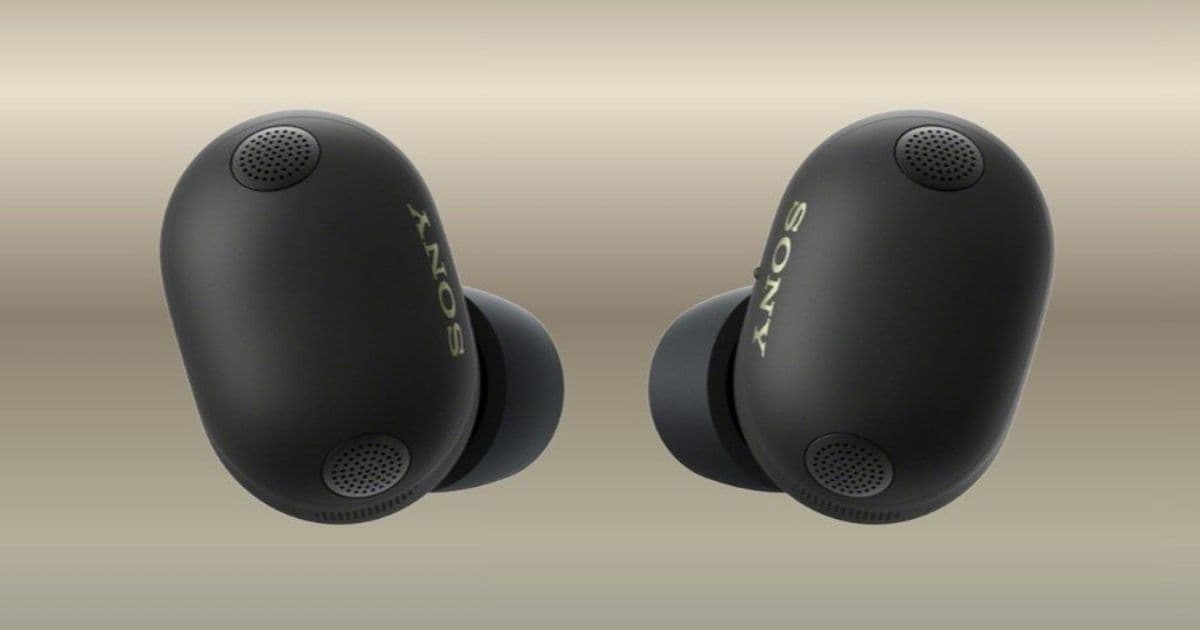
Complete specifications for Sony's upcoming WF-1000XM6 earbuds have surfaced ahead of official launch, detailing a new processor, enhanced noise cancellation, and audio improvements.
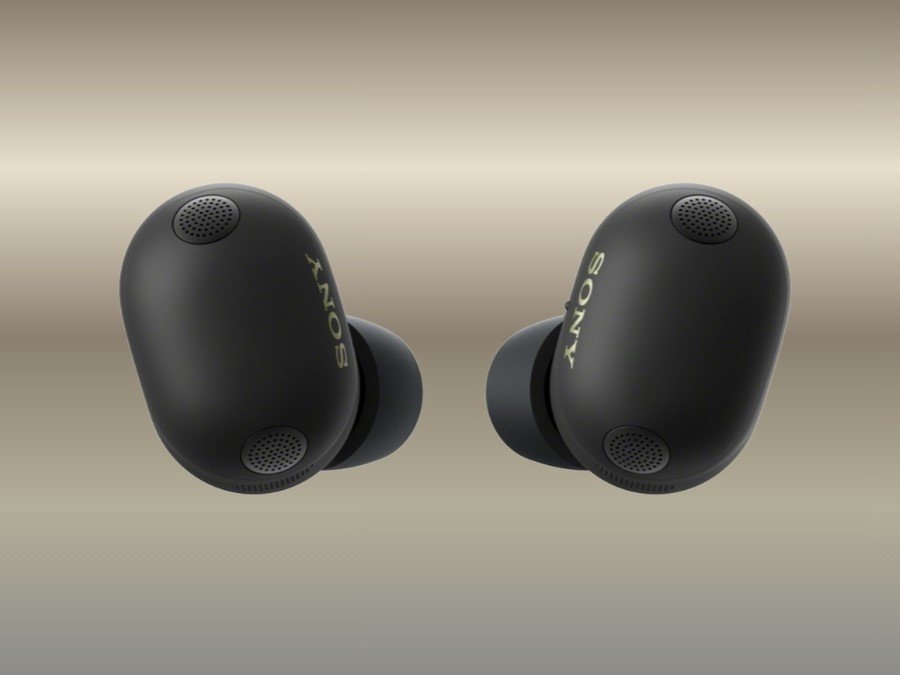
Sony's upcoming WF-1000XM6 true wireless earbuds have had their complete specifications leaked by reliable source Billbil-kun, revealing substantial upgrades over the previous generation. With Sony's official announcement scheduled for February 12, this early disclosure provides concrete details about what audiophiles and commuters can expect from the flagship earbuds.
The most significant improvement comes from Sony's new QN3e processor, reportedly three times faster than the chip powering the WF-1000XM5. This upgraded processor works in tandem with an expanded array of eight adaptive microphones (up from six in the XM5) to deliver more responsive noise cancellation. Sony claims this combination allows for more stable environmental sound processing and adaptive optimization based on surroundings.
Audio hardware sees notable enhancements, including a redesigned speaker driver, improved digital-to-analog converter (DAC), and upgraded amplifier circuitry. These changes aim to improve audio clarity across frequencies while maintaining Sony's signature sound profile. Support for Hi-Res Wireless audio via LDAC codec remains, alongside DSEE Extreme upscaling for compressed audio files and 10-band customizable EQ settings.
Physical design refinements include optimized ergonomics for better fit, insulated ear tips for passive noise isolation, and improved airflow management conducive to extended wear. The companion app includes a new ear tip fit test to ensure proper seal. Battery life maintains parity with predecessors at 8 hours per charge with ANC active, extendable to 24 hours total with the wireless charging case.
New software features include:
- 360 Reality Audio with head tracking
- Adaptive Sound Control automatically switching between three environmental profiles
- LE Audio and Auracast support
- Enhanced beamforming + bone conduction microphones for voice calls
Compared to the WF-1000XM5, the XM6's upgrades focus on processing power and noise cancellation effectiveness. The tripling of processor speed enables more complex audio algorithms, while additional microphones provide finer environmental sound sampling. Competitors like Apple's AirPods Pro 2 and Bose QuietComfort Earbuds II now face a rival with substantially improved computational audio capabilities.
These earbuds target:
- Audiophiles needing LDAC support and customizable sound profiles
- Frequent travelers requiring best-in-class ANC
- Existing Sony ecosystem users seeking seamless integration
- Those prioritizing call quality in noisy environments
While pricing remains unconfirmed, the WF-1000XM6 specifications suggest positioning in the premium $300-$350 segment. The full technical specifications appear below:
| Category | Features |
|---|---|
| Noise reduction | QN3e processor, 8 adaptive microphones, adaptive NC optimizer, 3 Ambient modes |
| Audio | New speaker, Hi-Res Wireless (LDAC), DSEE Extreme, 10-band EQ |
| Calls | Beamforming + bone conduction, wind reduction, advanced AI |
| Comfort | Optimized ergonomic design, insulated tips, fit test via app |
| Autonomy | 8 hours + 16 hours (case), fast charging, wireless charging |
| Controls | Touch controls, voice control, microphone management, smart gestures |
| Advanced functions | 360RA + head tracking, LE Audio, Auracast |
| Additional functions | Adaptive sound control, Quick Attention mode, background music effect, Speak to Chat |
| Connectivity | Bluetooth, multipoint, Fast Pair, Swift Pair |
| Resistance | IPX4 |
| Application | Sony Headphones Connect (Android & iOS) |
Source: Billbil-kun via Twitter
With these specifications, Sony appears focused on strengthening its ANC leadership while addressing previous comfort criticisms. The February 12 launch will reveal whether these hardware improvements translate to real-world performance gains worthy of an upgrade.
Comments
Please log in or register to join the discussion