
As the U.S. weighs investments in autonomous vehicles and air mobility against traditional rail, new analysis reveals a staggering trade-off: While AVs promise efficiency gains of 50-60% per trip, they may eliminate 100+ daily incidental human encounters per commuter. Drawing on sociology and AI-modeled scenarios, this piece examines how evaporating 'weak-tie' interactions could erode social capital and cost individuals up to $15,000 annually in lost opportunity and health impacts.
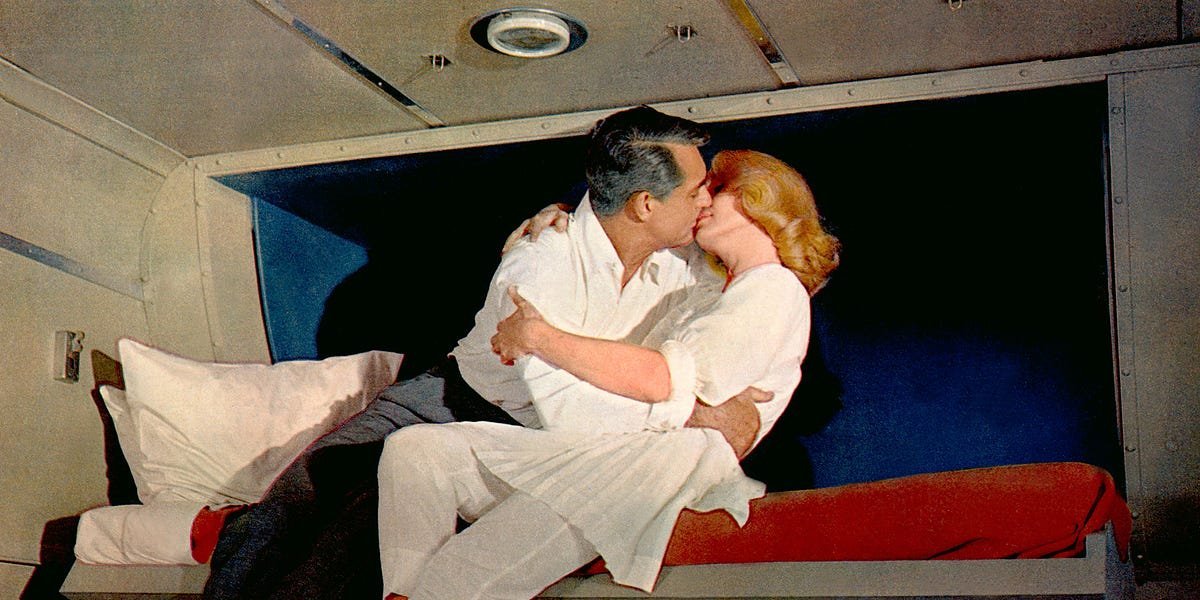
Transportation infrastructure debates typically center on speed, cost, and carbon footprint. Yet as autonomous vehicles (AVs) and electric vertical takeoff and landing (eVTOL) aircraft advance, a profound sociological consequence is being overlooked: The potential collapse of incidental human encounters that form the bedrock of urban social fabric. Recent analysis leveraging GPT-5 and Gemini quantifies what sociologists like Erving Goffman long theorized—that public transit isn’t just about movement, but about the unnoticed choreography of human coexistence.
The Efficiency Argument: Why AVs and Air Are Winning
High-speed rail struggles in the U.S. context. While Europe boasts 8,556 km of high-speed track, America has just 457 miles capable of speeds >125 mph, largely confined to the Northeast Corridor. The cost disparity is staggering:
- U.S. rail projects average $383 million per mile (TransitCosts Project 2023)
- Spain builds comparable infrastructure for $20–40 million per mile
- California’s high-speed rail budget ballooned from $33B to over $100B (CA HSR Authority 2024)
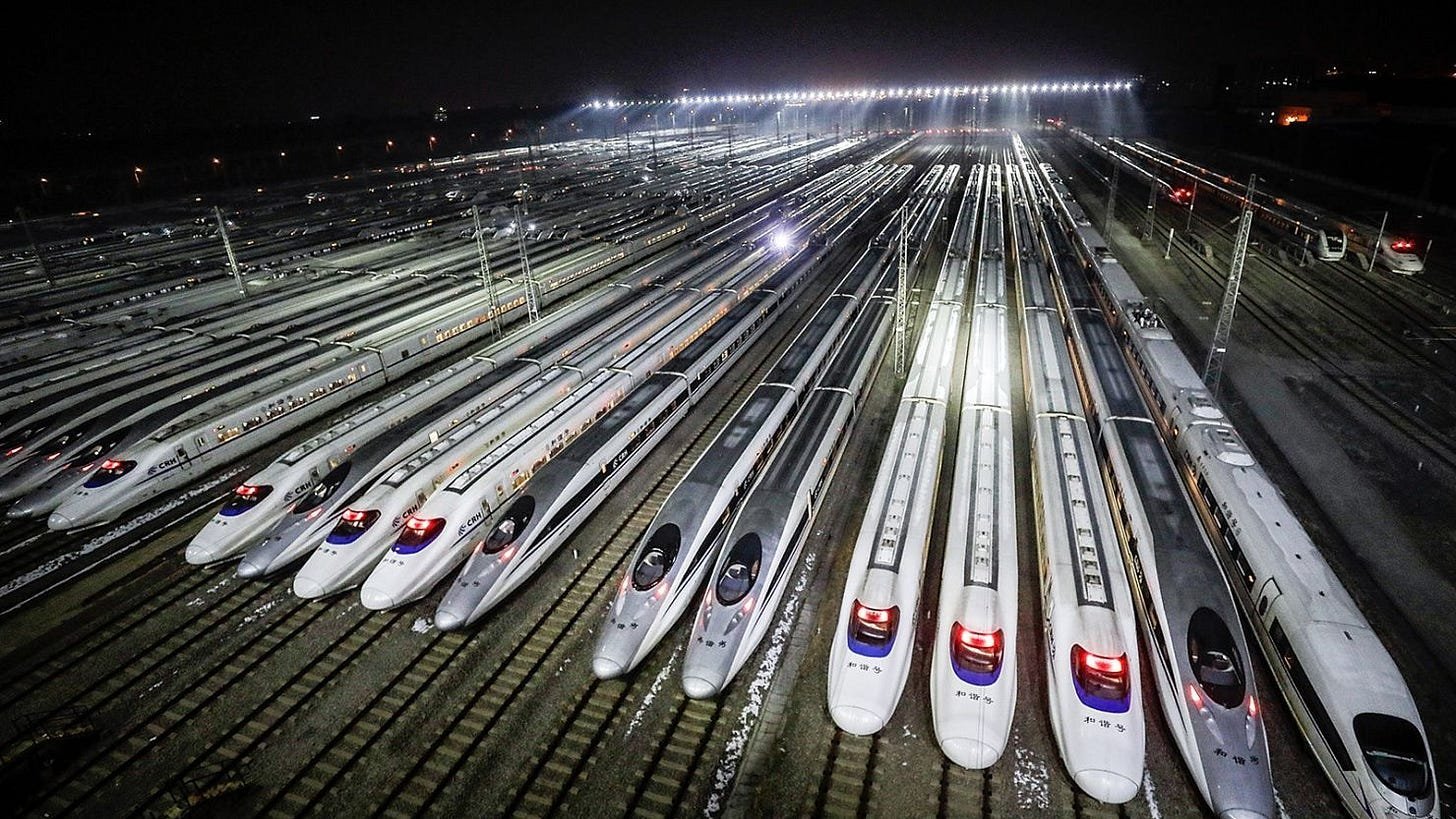 Comparative infrastructure costs per mile (Source: TransitCosts Project/NYU Stern)
Contrast this with AV and air mobility economics:
- AVs could add $300–$400B annually to U.S. GDP by 2035 (McKinsey 2023)
- Benefits include 90%+ crash reduction, fuel savings, and solving the "first/last mile" problem
- The eVTOL market is projected to grow 30% CAGR, hitting $29B by 2030 (Grand View Research 2024)
- FAA’s 2024 powered-lift rule now certifies eVTOLs, enabling airport-free transit
The Vanishing ‘Weak Ties’: Quantifying Social Capital Loss
Here’s where the equation gets complex. Sociologist Mark Granovetter’s seminal "Strength of Weak Ties" (1973) demonstrated that casual acquaintances—not close friends—are critical for job opportunities and information flow. Public transit forces these micro-interactions:
- 20–60 strangers encountered per transit trip (Lyn Lofland, The Public Realm)
- 100–300 passive contacts hourly in dense urban cores (mobile proximity data)
- Rituals of "civil inattention" (Goffman, 1963) that normalize coexistence with difference
AI-modeled scenarios reveal what happens when AVs replace transit:
| Route | Time Saved | Strangers Lost |
|---|---|---|
| Boston → Worcester | 64 min | 99 |
| SF → LA (train vs air) | 605 min | 244 |
| Dallas Suburb → Downtown | 23 min | 74 |
 eVTOL aircraft promise radical time savings—but at what social cost? (Source: Industry concept)
The $15,000 Question: Economic Value of Human Brushes
GPT-5 modeling suggests two damage channels from lost encounters:
- Economic Opportunity: Granovetter’s weak-tie theory quantified: Losing job/information flow from reduced networks
- Health Impact: Holt-Lunstad (2015) linked isolation to mortality risks comparable to smoking 15 cigarettes daily
Conservative synthesis of these factors—factoring productivity variance between solo/crowded environments—points to a $15,000 annual cost per individual shifting from transit to exclusive AV use. While speculative, it highlights that transportation tech isn’t value-neutral.
Code vs. Concrete: A Developer’s Dilemma
For technologists, this poses ethical challenges:
- Should AV algorithms intentionally route through high-interaction zones?
- Can eVTOL hubs be designed as "accidental encounter" spaces?
- Does AI-driven mobility demand compensatory social architecture?
As Richard Sennett warned in The Fall of Public Man, democracy thrives on practiced tolerance of difference. The algorithms shaping our transit future aren’t just optimizing routes—they’re architecting the vanishing points of unplanned humanity. Perhaps the most urgent code we need isn’t for self-driving cars, but for preserving the messy, inefficient beauty of brushing past strangers.
Comments
Please log in or register to join the discussion