Castle Game Engine rolls out critical iOS and Android enhancements including OpenGL ES 3 support for advanced graphics, App Store/Play Store validation fixes, and precision shadow maps. These updates empower developers to build higher-fidelity mobile experiences while navigating platform compliance hurdles.
The Castle Game Engine team is turbocharging mobile development with a significant update targeting iOS and Android platforms. As they prepare to launch their Castle Model Viewer on iOS, these improvements—spearheaded by contributor Jan Adamec—address long-standing rendering limitations and platform-specific compliance challenges that have plagued mobile game developers.
Graphics Revolution on iOS
The headline upgrade brings OpenGL ES 3 support to iOS devices (with fallback to ES 2 for older hardware), unlocking advanced rendering capabilities previously unavailable. This enables:
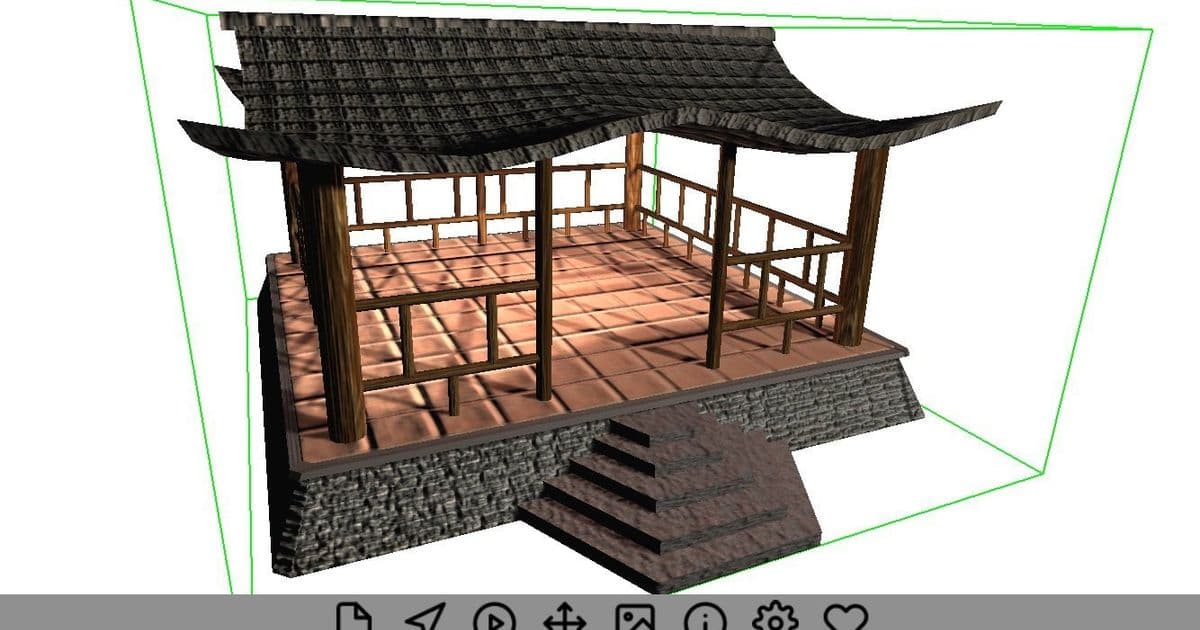
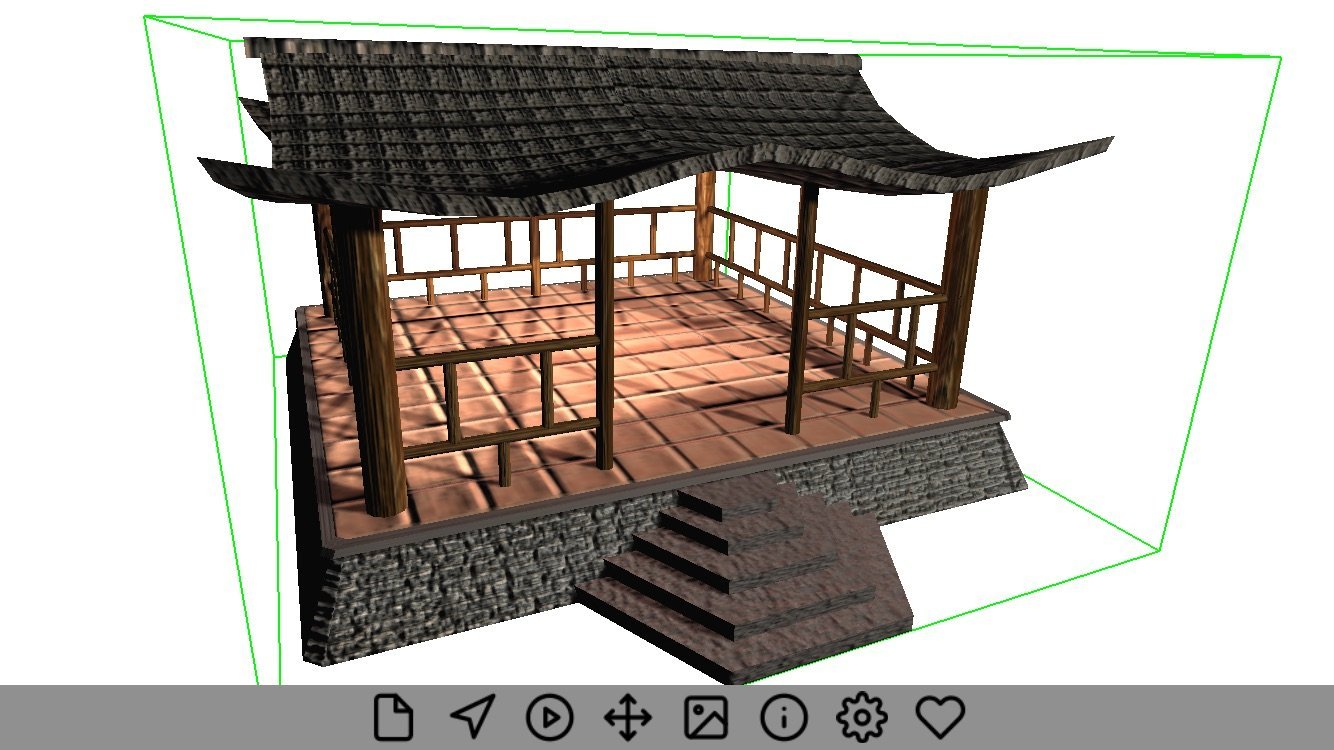
- Shadow maps with precision fixes across both Android and iOS
- Critical depth buffer corrections for screen effects
- Smoother SSAO (Screen Space Ambient Occlusion) shaders in progress
This leap forward isn't theoretical: Jan Adamec's Room Arranger—a cross-platform interior design tool—already leverages these enhancements to render detailed 3D apartment previews on mobile devices. The engine's library approach proves particularly valuable for non-game applications requiring robust 3D visualization.
Navigating Platform Minefields
Beyond graphics, the update tackles treacherous App Store and Google Play compliance:
<!-- iOS Manifest Example -->
<ios override_icon="no_transparency_icon.png"/>
- New
override_iconoption resolves Apple's transparency restrictions for app icons - Migration to UISceneDelegate replaces deprecated AppDelegate architecture
- Google Play Billing API upgraded to v8 ensuring in-app purchases pass latest validation checks
These aren't cosmetic changes—they're essential for avoiding rejection during app submissions, a pain point familiar to every mobile developer.
Cross-Platform Polish
The release also delivers fixes with broader implications:
- Revamped Facebook integration for analytics reporting on both platforms
- Document association handling when launching apps via file types
- Consolidated examples like
facebook_integrationin official demos
While the Facebook implementation remains basic, its stabilization reflects the engine's focus on real-world deployment needs over flashy prototypes.
The Mobile Engine Gap
These updates spotlight a growing divide in cross-platform tools. While engines like Unity face pricing backlash, Castle Game Engine's open-source Pascal foundation offers a compelling alternative—especially when addressing platform-specific quirks that often derail indie projects. The shadow map precision fixes alone demonstrate attention to mobile's constrained resources, where graphical compromises traditionally hit hardest.
As mobile hardware evolves but app store rules constrict, engines that streamline compliance while pushing visual boundaries gain strategic importance. Castle Game Engine's latest volley suggests they're aiming squarely at that sweet spot—no fallback required.
Source: Castle Game Engine Blog
Comments
Please log in or register to join the discussion