
UK users are bypassing facial scan age checks using characters from games like Death Stranding and God of War, exposing vulnerabilities in digital identity systems. As global regulations expand, this trend highlights the escalating battle against AI-driven deepfakes and raises urgent privacy concerns.
When UK Discord user Siyan discovered his NSFW chats were suddenly age-restricted under new child safety laws, he faced a dilemma: submit a government ID or a face scan to prove he was over 18. Unwilling to share personal data and lacking a webcam, he turned to an unlikely solution—Death Stranding’s grizzled protagonist, Norman Reedus. By using the game’s photo mode to pose the character for multiple facial expressions, Siyan tricked the system. His success, shared online, sparked a wave of similar exploits across games like God of War and Cyberpunk 2077, revealing deep cracks in the age verification technologies sweeping the internet.
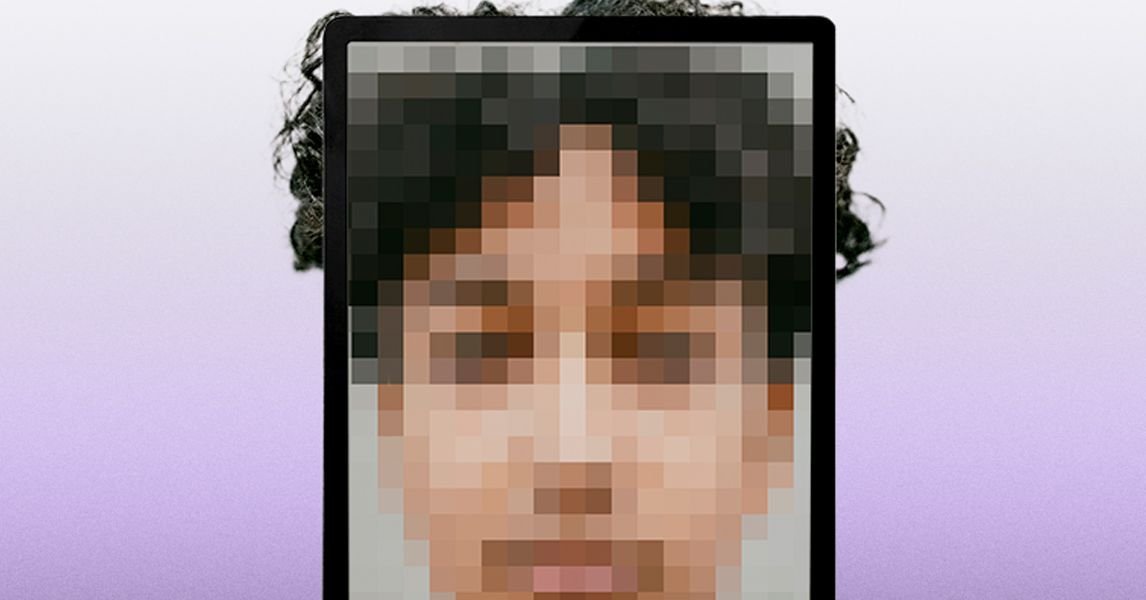
The Rise of Verification—and Its Weaknesses In July, the UK's Online Safety Act mandated platforms like Discord, Roblox, and YouTube to implement age gates, often via AI-driven facial scans or ID checks, to protect minors from harmful content. Yet, as Siyan’s experiment shows, these systems are far from foolproof. Users quickly found that video game photo modes—which allow customizing character poses and expressions—could bypass "liveness checks" designed to confirm a real human is present. Discord users Ash and Antsy replicated this with God of War’s Kratos and Arma 3 mods, while others succeeded with titles ranging from Baldur’s Gate 3 to The Sims 4. Even Garry’s Mod, known for its cartoonish aesthetics, worked, underscoring how easily current tech can be deceived.
"Criminals are always 7 to 12 months ahead of us in finding vulnerabilities," says David Maimon, head of fraud insights at SentiLink and a criminology professor at Georgia State University. "Liveness tests, IDs, and photos alone aren’t enough—we need to rely more on historical data like phone numbers or addresses."
The AI Arms Race and Privacy Perils This gaming loophole is just the tip of the iceberg. Generative AI advancements threaten to amplify the problem, with startups already developing real-time deepfake videos that could make synthetic identities indistinguishable from real ones. Meanwhile, users like Ash express distrust in handing over sensitive data: "I don’t trust third-party services with my information, especially after breaches like the Tea app hack that exposed women’s verification photos." Such incidents highlight the risks of centralizing biometric data, with critics arguing that verification systems invade privacy without guaranteeing safety. As Maimon notes, fake IDs are now "impeccable," and minors often lack government documents, making the process exclusionary and ineffective.
Broader Implications for Tech and Society Age verification’s flaws extend beyond technical hiccups—they reflect a fundamental tension between safety and freedom. Platforms like Roblox use these tools to gate features amid moderation failures, but users like Antsy argue it shifts responsibility away from parents: "All you’re doing is pushing young people to unpoliced corners of the internet." With similar laws emerging globally, the industry must innovate beyond superficial checks. Solutions could include multi-factor authentication combining behavioral data and device history, but as AI evolves, so will the methods to deceive it. For now, the viral success of gaming avatars serves as a stark reminder: in the digital age, verifying humanity is becoming the hardest game of all.
Source: WIRED
Comments
Please log in or register to join the discussion