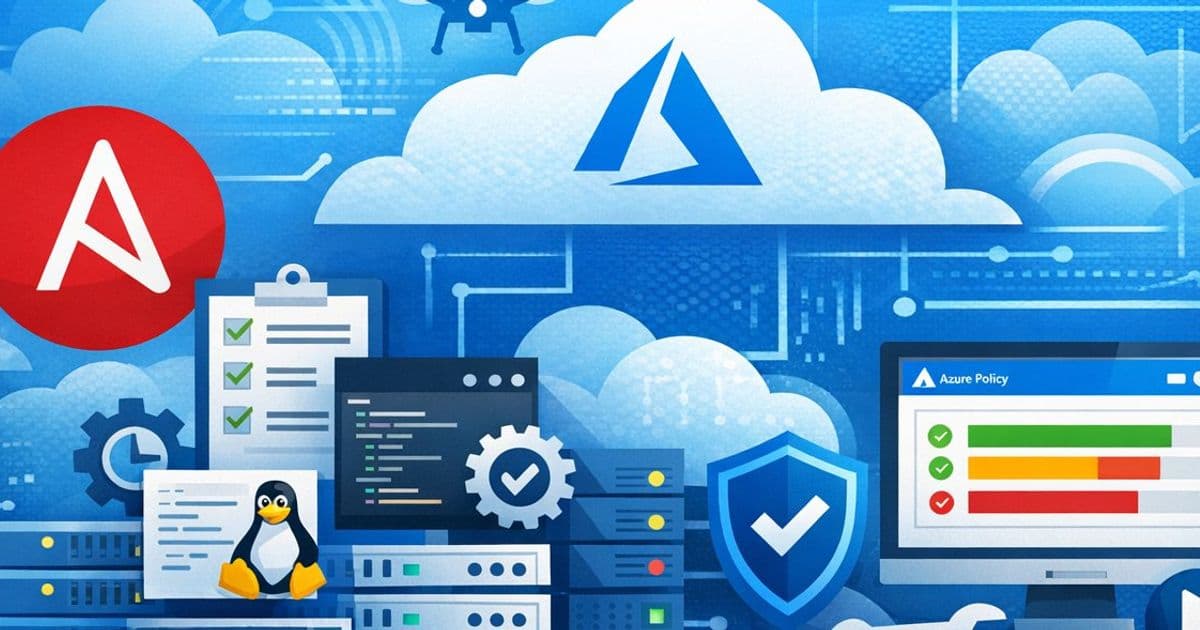
Microsoft's private preview integrates Ansible playbook execution with Azure Policy via Machine Configuration, eliminating control nodes while enabling unified compliance across Windows and Linux environments.
Microsoft has launched a private preview that fundamentally changes how organizations can deploy and manage Ansible automation at scale. The new capability allows Ansible playbooks to be triggered directly through Azure Policy using Machine Configuration, bringing Linux automation into Azure's unified governance model for the first time.
No Control Node Required
The most significant technical shift is the elimination of the traditional Ansible control node architecture. Instead of maintaining separate control infrastructure, organizations can now orchestrate playbook execution directly from Azure Policy. This removes a major operational overhead while maintaining the declarative, idempotent nature of Ansible automation.
Machine Configuration acts as the execution engine, applying playbooks to both Azure virtual machines and Arc-enabled Linux machines across hybrid and multicloud environments. The system automatically handles drift detection and remediation, ensuring configurations remain compliant over time without manual intervention.
Unified Compliance Dashboard
Playbook execution status and compliance results now appear directly in the Azure Policy compliance dashboard alongside other governance policies. This integration means security teams can monitor Ansible-driven configurations using the same tools and workflows they already use for Windows Server management, Azure Security Center, and other Azure services.
Strategic Implications for Multi-Cloud Operations
For organizations managing diverse server estates, this capability addresses a critical fragmentation problem. Many enterprises rely on Ansible for Linux automation but struggle to integrate it with centralized governance frameworks. The policy-based approach transforms configuration management from a separate operational concern into a unified compliance requirement.
The preview supports both Azure VMs and Arc-enabled Linux machines, meaning organizations can apply consistent automation policies whether servers run in Azure, on-premises data centers, or other public clouds. This creates genuine hybrid and multicloud consistency rather than just similar-but-separate tools.
Real-World Impact
Consider a financial services company with Linux servers spanning Azure, AWS, and on-premises environments. Previously, they might use Ansible for configuration but rely on separate tools for compliance reporting and drift detection. With this integration, a single Azure Policy can ensure all servers meet security baselines, with violations automatically remediated and tracked in one dashboard.
The automatic remediation feature is particularly valuable for maintaining security posture. When a server drifts from its desired state, Machine Configuration can reapply the Ansible playbook without human intervention, closing security gaps before they become vulnerabilities.
Getting Started
Organizations interested in participating in the private preview can sign up at https://aka.ms/ansible-arc-signup. Microsoft is specifically seeking feedback on usability, compliance reporting, and operational workflows to refine the experience before general availability.
This announcement represents Microsoft's continued investment in Azure Arc's mission to unify security, compliance, and management across heterogeneous environments. By bringing Ansible automation under the same policy-based governance model used for Windows and Azure-native services, Microsoft is creating a truly unified management plane for modern hybrid and multicloud operations.
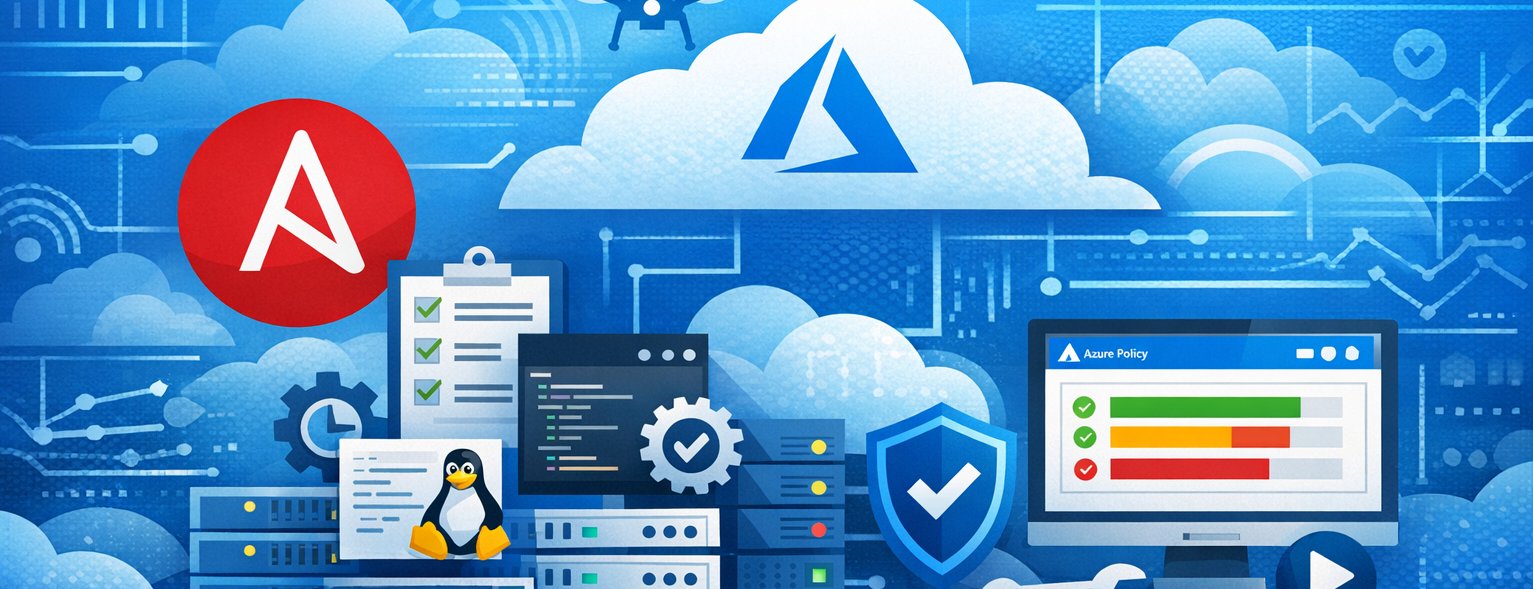
The private preview signals a broader trend toward policy-driven automation across cloud platforms, where infrastructure as code and configuration management become first-class citizens in governance frameworks rather than separate operational silos.
Comments
Please log in or register to join the discussion