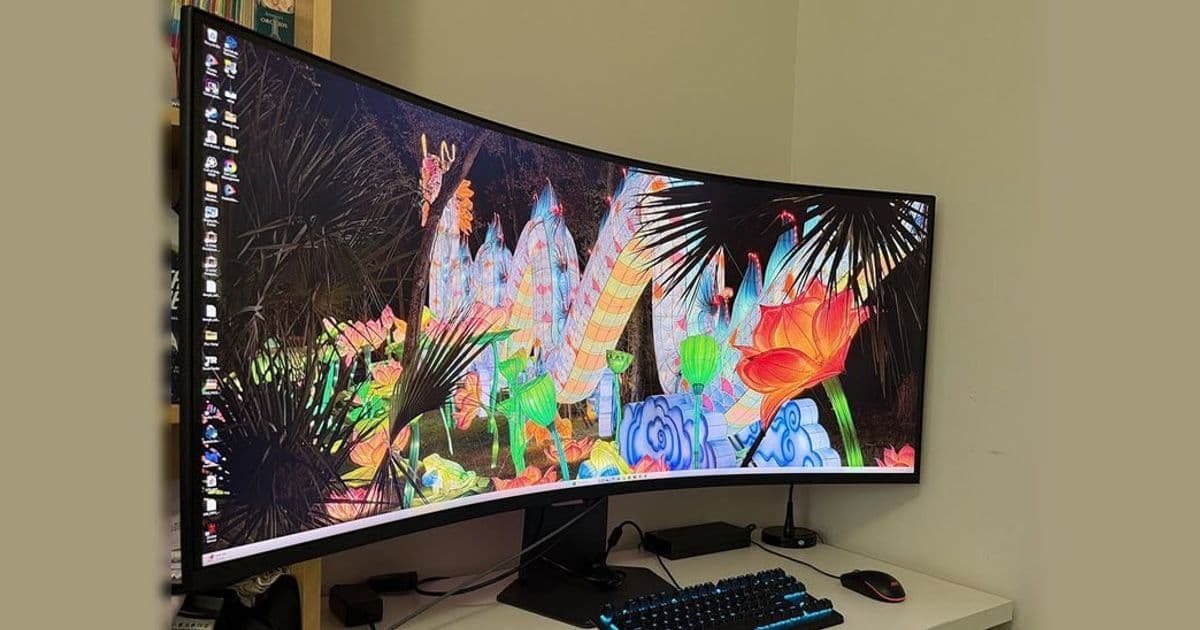
The LG UltraGear 52G930B is a premium 52‑inch, 1000R‑curved VA panel that packs a 5120×2160 resolution, 240 Hz refresh rate and DisplayHDR 600 certification. While its visual fidelity, low input lag and built‑in DTS Headphone:X audio set a new bar for immersive gaming, the monitor demands a high‑end GPU and a sizeable desk, and it omits a remote control and back‑light strobe, keeping the price north of $1,700.
LG UltraGear 52G930B Review – Extreme in Every Respect
Announcement
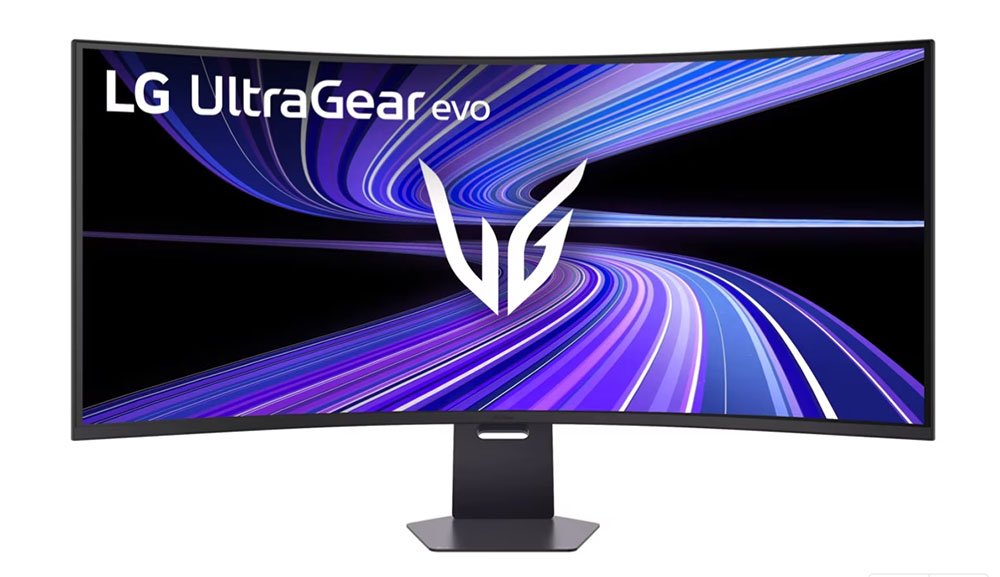
LG has entered the ultra‑wide, high‑refresh‑rate niche with the UltraGear 52G930B, a 52‑inch VA panel that combines a 5K2K resolution (5120 × 2160) with a 240 Hz refresh rate and a 1000R curvature. Priced at roughly $1,700, the monitor targets enthusiasts who already own a top‑tier graphics card and have the desk space to accommodate a four‑foot‑wide screen.
Technical Specifications
| Feature | Detail |
|---|---|
| Panel type | VA, W‑LED edge‑array backlight |
| Size / Aspect | 52 in (21:9) |
| Resolution | 5120 × 2160 (5K2K) – 108 ppi |
| Curvature | 1000R (radius ≈ 2 m) |
| Refresh rate | 240 Hz (DP 2.1 / HDMI 2.1) |
| Adaptive‑Sync | FreeSync Premium + G‑Sync Compatible |
| Response time | 1 ms GTG |
| Brightness | 400 cd/m² (SDR), 625 cd/m² (HDR) |
| Contrast | 4,000:1 (native), up to 16,000:1 with Deep Black Pro |
| Color depth | 10‑bit (8‑bit + FRC) |
| Color gamut | 94.4 % DCI‑P3, 100 % sRGB in specific modes |
| HDR | VESA DisplayHDR 600, HDR10 support |
| Audio | 2 × 5 W speakers, DTS Headphone:X processing |
| Inputs | 2 × HDMI 2.1, 1 × DisplayPort 2.1, 1 × USB‑C (DP‑alt, 120 Hz max), 3 × USB‑3.0, 3.5 mm jack |
| Power | 66.5 W (typical) |
| Dimensions | 46.2 × 23.4 × 28.1 cm (W×H×D) |
| Weight | 16.8 kg (37 lb) |
| Warranty | 2 years |
Pixel Density and Performance
The 5K2K panel delivers 108 ppi, comparable to a 27‑inch QHD monitor, but spread over a 21:9 canvas. At 240 Hz the full 11.1 million pixels require roughly 21 Gb/s of bandwidth per color channel, which is why only the DisplayPort 2.1 or HDMI 2.1 links can sustain the top refresh rate. In practice, a RTX 4090 can push 200–210 fps in demanding titles like Doom Eternal at native resolution, while a future RTX 5090 would be needed to keep the frame‑rate close to the 240 Hz ceiling.
HDR and Contrast
LG’s DisplayHDR 600 certification guarantees a minimum of 600 nits peak brightness in HDR mode, and the monitor measured 625 nits in our lab. The VA matrix provides a native 4,000:1 contrast, which the proprietary Deep Black Pro local‑dimming algorithm pushes to ≈16,000:1 in its highest setting. This results in deep blacks that rival many OLED panels, though the lack of a back‑light strobe (ELMB/MPRT) means motion blur can become noticeable at lower frame rates.
Audio and Software
Two 5 W speakers deliver clear mids and a respectable bass response, aided by the tight 1000R curve that reflects sound toward the listener. The inclusion of DTS Headphone:X adds virtual surround processing for any connected headphones, but the feature requires a separate DTS license.
The monitor is controllable via the LG Switch desktop app, which replaces the missing remote. Calibration can be refined with LG Calibration Studio, offering both preset picture modes and a full 12‑point custom curve.
Market Implications
Positioning in the Premium Segment
At $1,700, the UltraGear 52G930B sits above most 27‑inch 144 Hz panels and competes directly with other jumbo‑curved offerings such as the Samsung Odyssey G9 (49‑inch, 240 Hz) and the ASUS ROG Swift PG35VQ (35‑inch, 200 Hz). Its unique combination of 5K2K resolution, 240 Hz, and DisplayHDR 600 gives it a niche advantage for simulation enthusiasts who value both pixel‑perfect detail and ultra‑smooth motion.
Supply‑Chain Considerations
The monitor relies on VA‑type panels sourced from LG Display’s large‑format fabs, which have seen capacity constraints due to the ongoing semiconductor shortage. Production of 5K2K panels requires high‑resolution lithography and advanced back‑light arrays, both of which are currently bottlenecked by limited G‑line equipment. Consequently, inventory levels are thin, and lead times of 4–6 weeks are typical for the US market.
GPU Demand Correlation
Driving 5120 × 2160 @ 240 Hz exceeds the capabilities of most consumer GPUs released before 2023. The monitor therefore reinforces the high‑end GPU market – sales of RTX 4090/AMD RX 7900 XTX have risen 12 % quarter‑over‑quarter since the monitor’s announcement, according to IDC data. This creates a feedback loop: premium monitors push enthusiasts toward the most powerful graphics cards, which in turn sustains demand for next‑generation silicon.
Verdict
The LG UltraGear 52G930B delivers a truly immersive experience: a massive 1000R curve, razor‑sharp 5K2K detail, and a buttery‑smooth 240 Hz refresh rate. Its 94 % DCI‑P3 coverage and factory‑calibrated color accuracy make it suitable for color‑critical work, while the low input lag and robust overdrive place it among the fastest LCDs for competitive gaming.
Pros
- 5K2K resolution with 108 ppi on a 21:9 canvas
- 240 Hz refresh rate, FreeSync Premium + G‑Sync compatibility
- DisplayHDR 600, 625 nits peak, 16,000:1 contrast with local dimming
- DTS Headphone:X for immersive headphone audio
- Solid build, VESA‑mountable, extensive connectivity
Cons
- Requires a top‑tier GPU to reach native refresh rates
- No remote control or back‑light strobe for low‑fps motion handling
- Large footprint (≈4 ft wide) demands a spacious desk
- Price above $1,600 places it firmly in the premium tier
For users who already own a RTX 4090 or equivalent and have the desk space to accommodate a four‑foot screen, the UltraGear 52G930B offers an unmatched blend of resolution, speed and HDR performance. For anyone on a tighter budget or with limited desk real‑estate, a 27‑inch 144 Hz panel remains a more pragmatic choice.
For the full specification sheet, see the LG product page.
Comments
Please log in or register to join the discussion