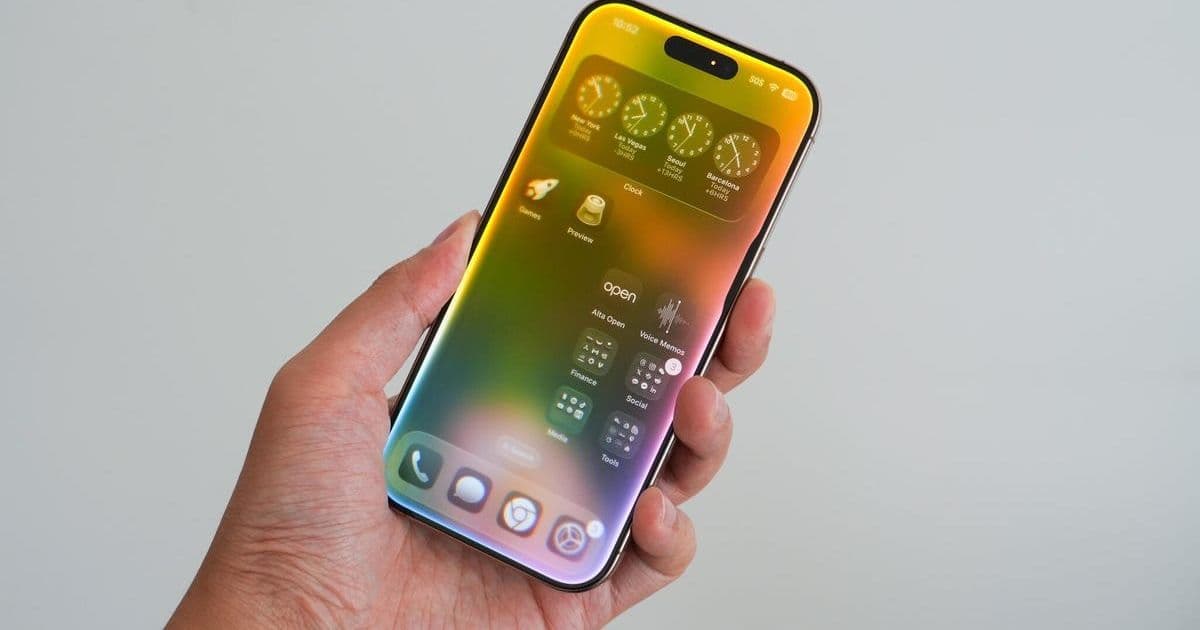
A new survey indicates 68.3% of iPhone owners plan to upgrade to the iPhone 17, with dramatically improved battery life cited as the primary motivator by over half of respondents. Surprisingly, only 7% identified AI features as a key driver, highlighting a potential disconnect between Apple's marketing and user priorities amidst rising prices and tariff uncertainty.
A significant shift in iPhone upgrade motivations is emerging ahead of Apple's iPhone 17 launch, according to a major consumer survey. Phone reseller SellCell polled 2,000 existing iPhone owners, revealing that 68.3% plan to upgrade to the iPhone 17 – a notable increase from the 61.9% who intended to buy the iPhone 16 at its launch last year. This surge comes despite looming price hikes and geopolitical trade tensions, but the driving factor isn't the flashy AI capabilities Apple has heavily promoted.
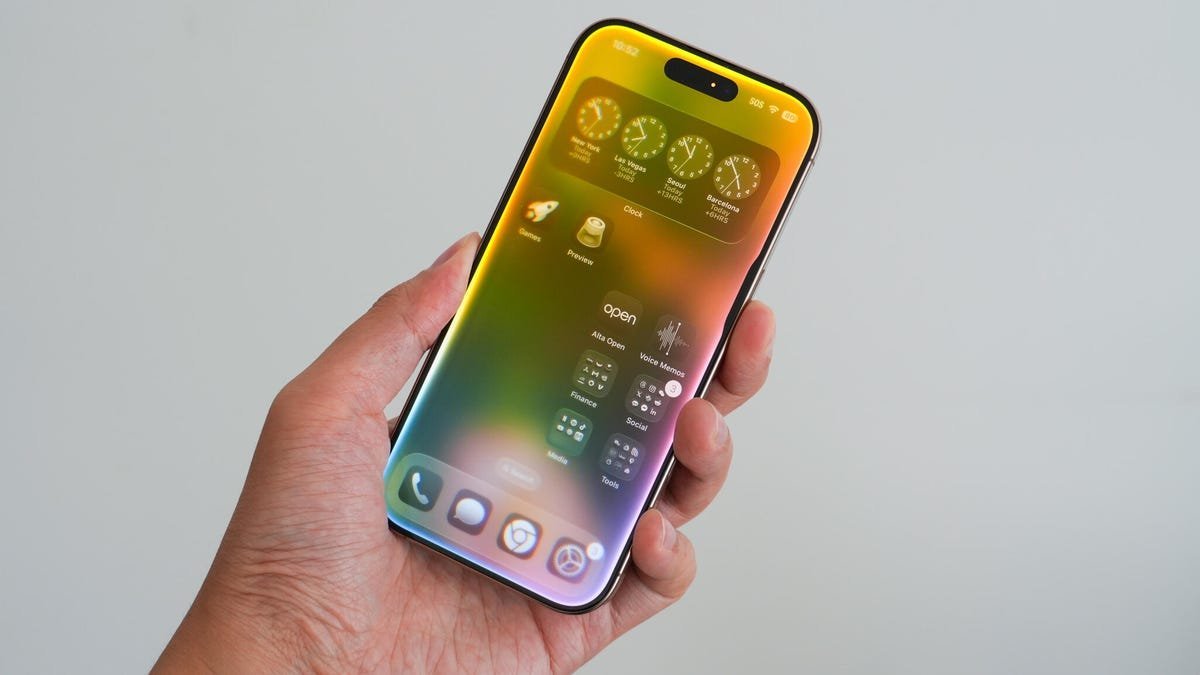
The iPhone 17 series, featuring the rumored ultra-thin 'iPhone 17 Air' replacing the Plus model, is expected to emphasize battery gains.
Battery Life Reigns Supreme
The survey data delivers a clear message about user priorities: 53.2% of potential upgraders cited better battery life as their top reason for purchasing the iPhone 17. This demand is particularly strong among those eyeing the Pro and Pro Max models. Rumored enhancements supporting this include:
- Larger physical battery capacities.
- The more power-efficient A19 Pro chip.
- iOS 26's Adaptive Power Mode, reportedly optimized for the new hardware.
"For years, processing power and camera improvements dominated upgrade cycles. This survey suggests a pivot towards fundamental usability and endurance," observed one industry analyst. "Users are prioritizing all-day reliability over incremental feature gains."
Other factors influencing upgrades included:
- New design and features (46.1%)
- Display improvements (42.7%)
- Major camera upgrades (39.8%)
- Faster charging speeds (35.2%)
AI's Disappointing Pull
The most striking finding is the minimal impact of AI on purchase decisions. Only 7% of respondents listed AI and software improvements as a key upgrade driver. This tepid response likely stems from the perceived under-delivery on Apple's ambitious AI promises for the iPhone 16 generation. Features like enhanced Siri, advanced photo editing, and on-device language models generated significant buzz but faced criticism for delays, limitations, or requiring subscriptions.
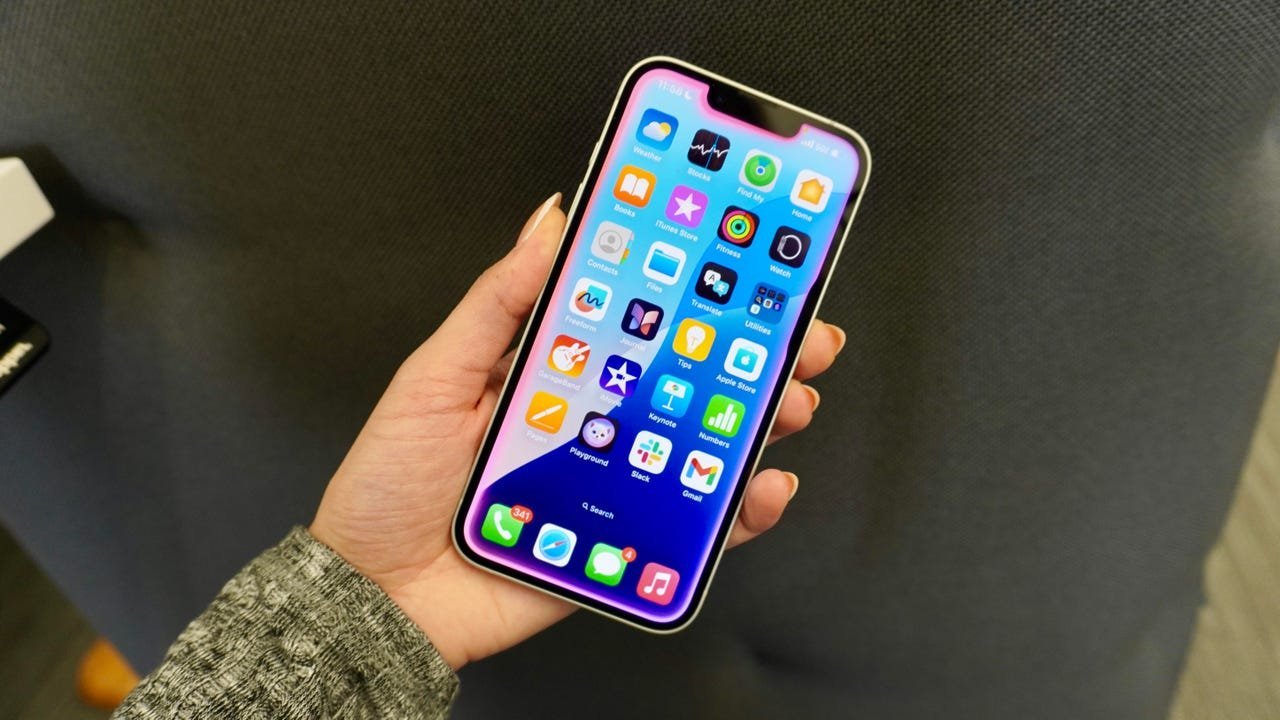
Apple's heavy push for AI features in iOS 26 and iPhone 16 models, like those shown above, appears to have had limited impact on driving iPhone 17 upgrade intent according to the survey.
Price and Tariffs: The Upgrade Hurdles
Resistance to upgrading is significant, with 31.7% of owners planning to hold onto their current devices. The primary reasons are:
- Satisfaction with current phone (71.7%)
- High prices (68.9%)
Reports suggest iPhone 17 Pro and Pro Max starting prices will increase by $50, reaching $1,049 and $1,249 respectively. This price sensitivity is further amplified by the specter of Trump tariffs. Former President Trump has threatened a 25% tariff on iPhones manufactured outside the US:
- 34% said they'd upgrade regardless of a tariff-induced price hike.
- 37% would delay their purchase.
- 29% said it depended on the final cost increase.
Apple may attempt to mitigate tariff impacts through cost-cutting measures and supply chain adjustments, but consumer hesitation is palpable.
The Foldable Factor and Platform Loyalty
While foldable phones represent a growing market trend, only 3.3% of surveyed iPhone users said they'd hold off for an Apple foldable. However, if Apple delays its rumored foldable iPhone until 2026:
- 20% would consider switching to a Samsung foldable (e.g., Galaxy Z Fold 7/Flip 7).
- 10% would look at Google's offerings (Pixel Fold, Pixel 9 Pro Fold, Pixel 10 Pro Fold).
Platform loyalty remains strong for nearly half (49%) of iPhone users who see no appeal in Android. For the rest, Android's growing allure stems from:
- AI advancements (13%)
- More affordable pricing (11%)
- Camera capabilities (11%)
- Foldable designs (9%)
Beyond the Hype Cycle
The SellCell survey paints a picture of a maturing smartphone market where practical concerns like battery endurance and value are overtaking marketing-driven hype around artificial intelligence. Apple's challenge with the iPhone 17 launch isn't just showcasing technological prowess, but convincingly addressing the tangible pain points of daily use while navigating a complex economic landscape. The significant user focus on battery life signals a desire for devices that work reliably longer, not just do more things. Whether Apple's battery improvements meet these heightened expectations, and if the rumored iPhone 17 Air's thinness compromises this core demand, will be critical to converting this reported upgrade intent into actual sales amidst higher price tags.
Source: SellCell iPhone 17 Upgrade Intent Survey Report via ZDNet
Comments
Please log in or register to join the discussion