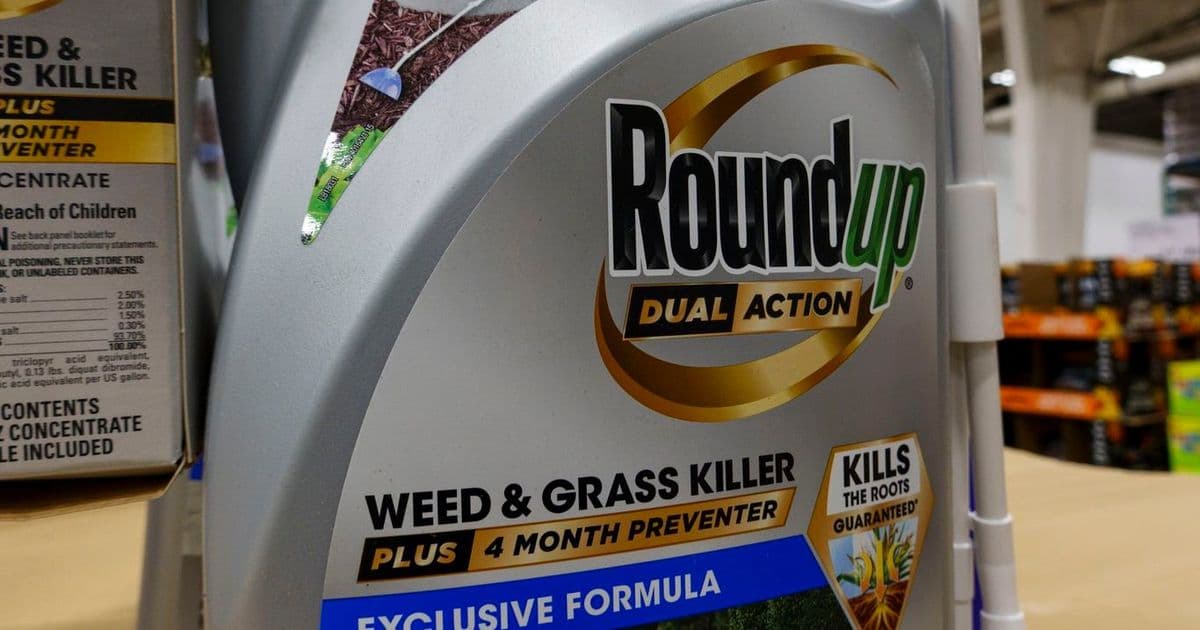
Bayer AG has agreed to a $7.25 billion settlement resolving approximately 75% of pending U.S. lawsuits alleging its Roundup weedkiller causes cancer, though significant financial and legal uncertainties remain.
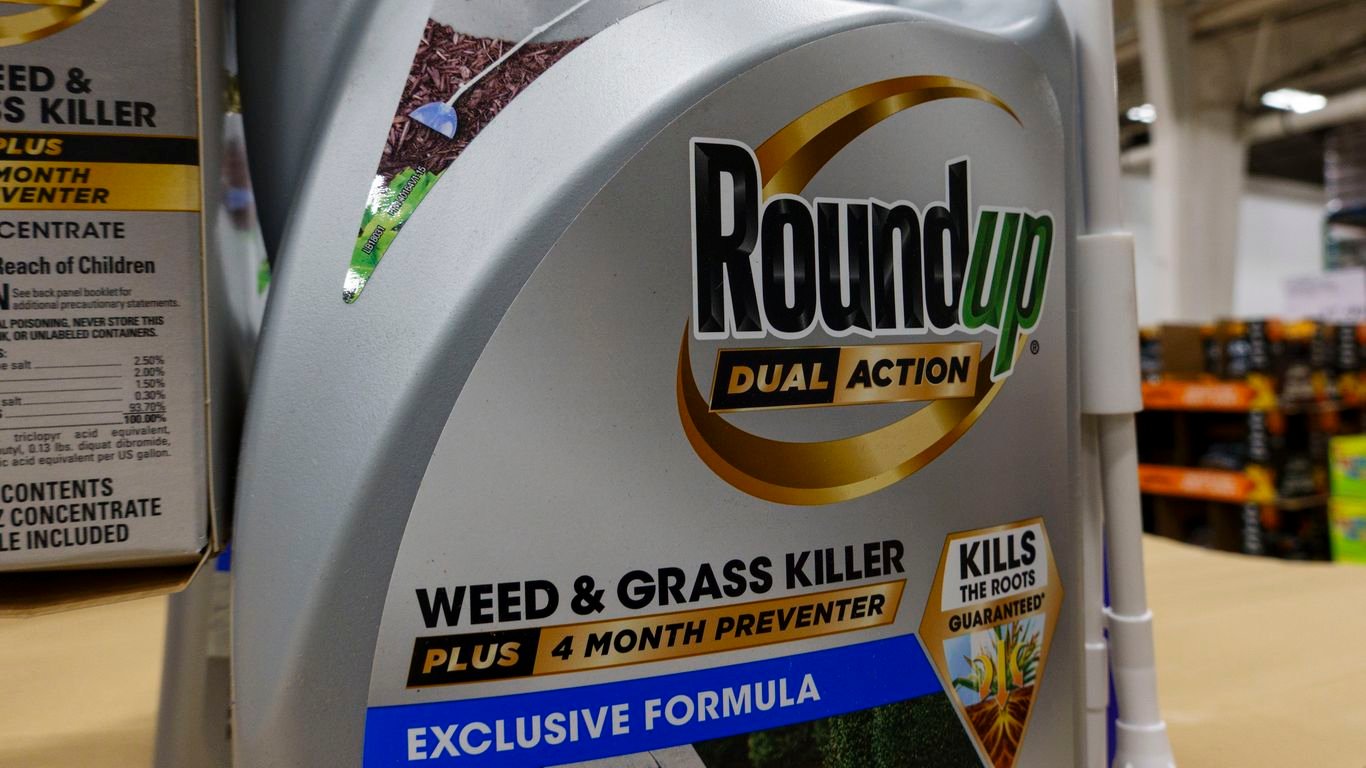
Bayer AG announced a $7.25 billion legal settlement to resolve approximately 75% of outstanding U.S. lawsuits alleging its Roundup herbicide causes cancer, marking a critical milestone in litigation inherited through its 2018 Monsanto acquisition. The agreement includes $6.9 billion to cover settled claims and $400 million for potential future claims through a four-year administration window, according to company filings. This resolves about 125,000 existing cases but leaves approximately 25% of claims unresolved, including all pending federal appeals.
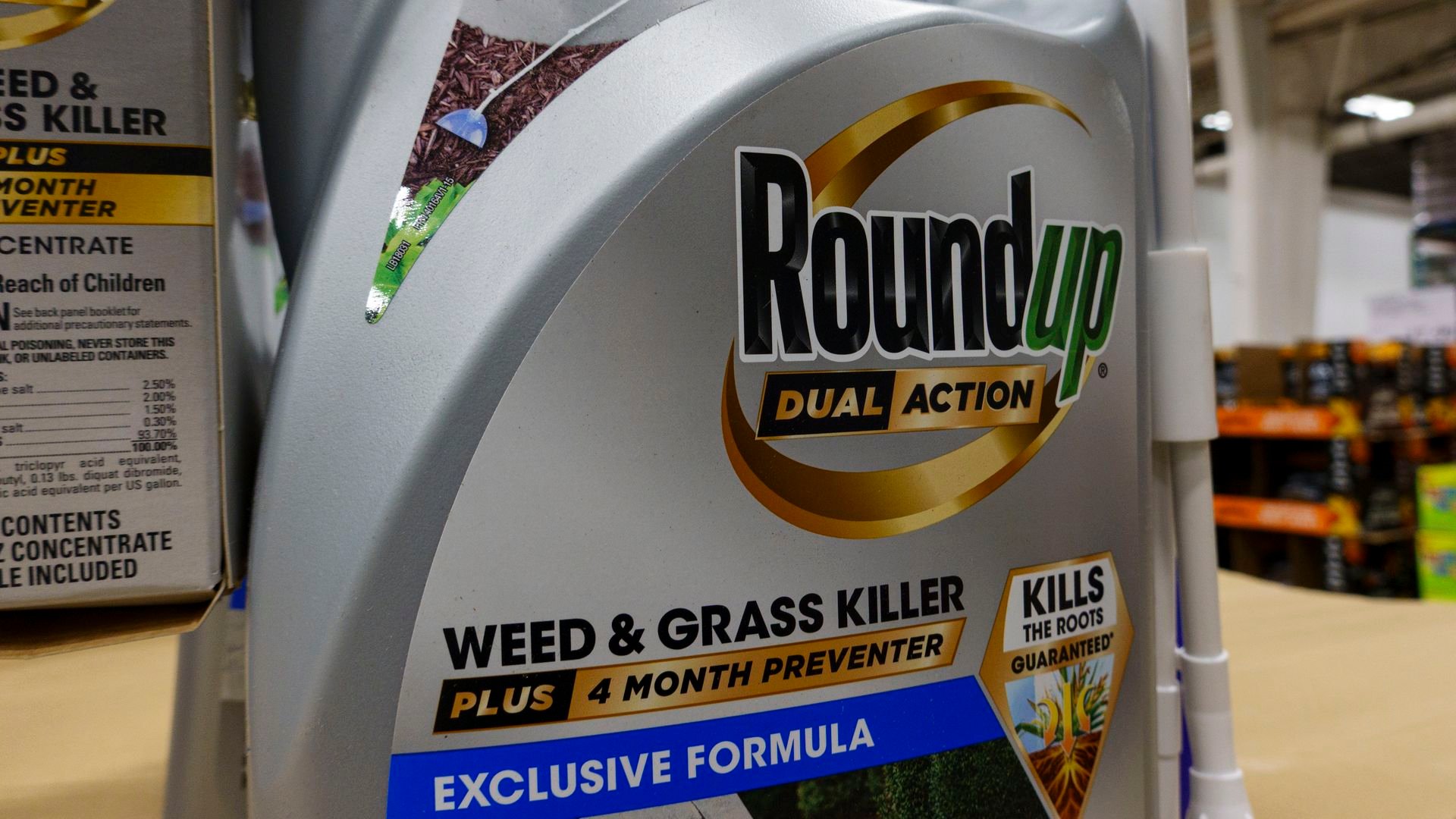
Financially, Bayer expects to record a $2.4 billion charge in Q2 2024 for incremental settlement costs, adding to the $16 billion already provisioned since 2020. The settlement comes as Bayer's stock trades 40% below pre-Monsanto acquisition levels despite a 3% uptick following the announcement. Analysts note the resolution reduces uncertainty but doesn't eliminate liability, with remaining cases potentially costing billions more. Barclays analysts stated: "While materially positive, unresolved claims and future litigation risk remain overhangs."
Strategically, the settlement accelerates CEO Bill Anderson's restructuring plan to separate Bayer into independent life science and agriculture units. The company continues pursuing Supreme Court review of key legal questions regarding Roundup's carcinogenic classification, conflicting with the EPA's 2023 determination that glyphosate poses "no risks of concern." Market implications extend beyond Bayer, as the settlement establishes valuation benchmarks for chemical liability cases and may influence regulatory approaches to glyphosate-based products globally. With Bayer projecting €3 billion in legal expenses through 2025, investors remain focused on the company's ability to stabilize its pharmaceutical pipeline while managing agricultural liabilities.
Comments
Please log in or register to join the discussion