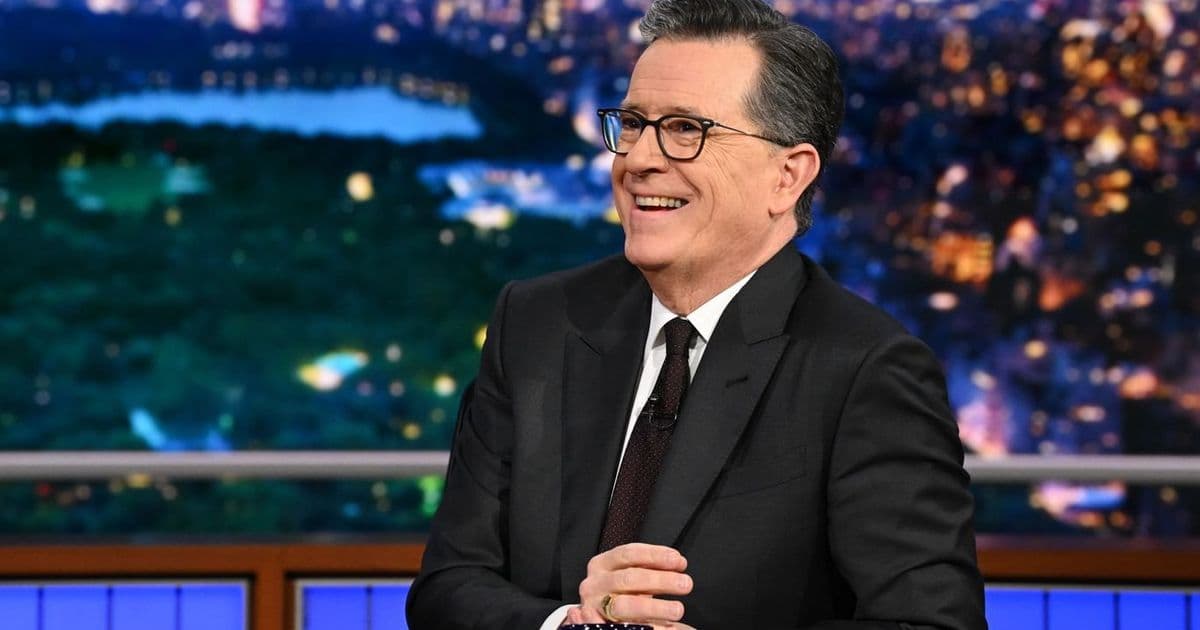
Stephen Colbert aired an interview with Texas Senate candidate James Talarico against CBS directives, exposing financial pressures and editorial tensions at Paramount Global.
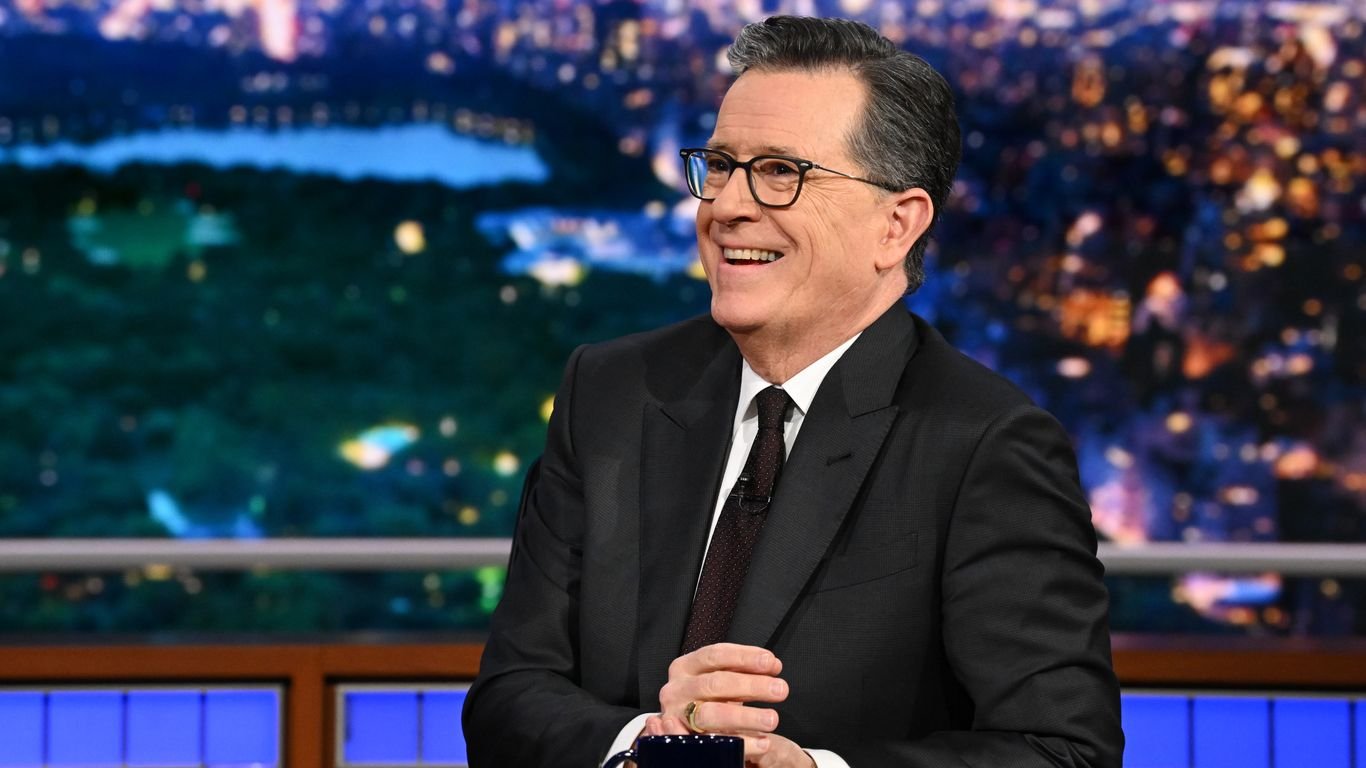
Stephen Colbert deliberately aired his interview with Texas State Representative James Talarico on The Late Show this week despite objections from CBS management, according to network insiders. The segment featuring Talarico—a Democrat running for Texas' Senate District 29—was flagged by corporate executives who reportedly worried about political backlash in a key advertising market. Colbert's defiance reflects escalating tensions between high-value talent and network oversight at parent company Paramount Global (NASDAQ: PARA), which faces mounting financial strain.
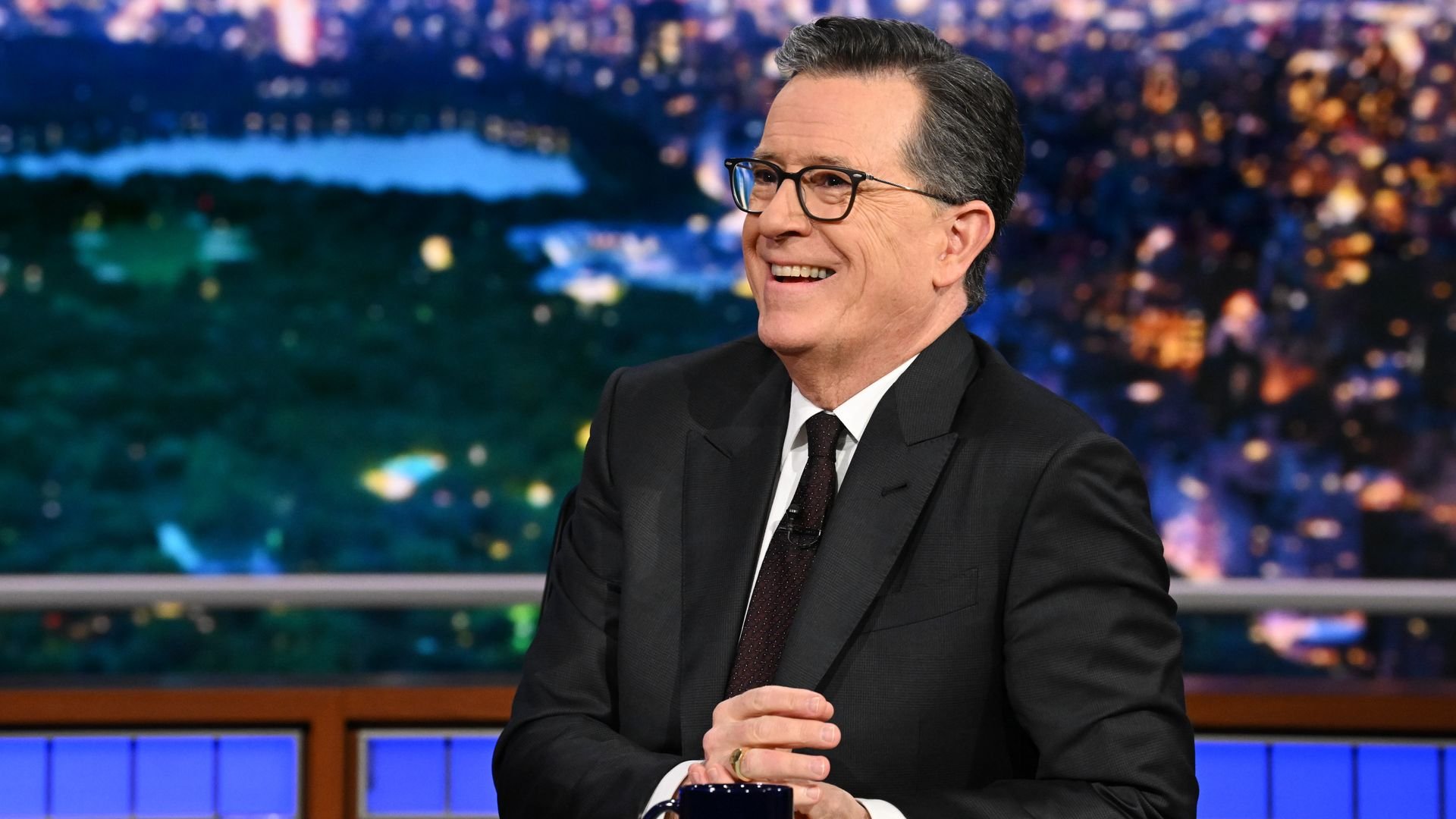
CBS's caution stems from tangible business pressures. Paramount's television division, which includes CBS, saw advertising revenue decline 7% year-over-year in Q1 2024 amid broader linear TV erosion. The Late Show remains a profit center, generating approximately $200 million annually in ad revenue according to industry analysts, but relies heavily on corporate sponsors sensitive to controversy. Texas represents CBS's third-largest regional advertising market, contributing over $150 million in annual ad buys from automotive, healthcare, and energy sectors.
The standoff underscores a strategic dilemma: Paramount must retain creative talent like Colbert—whose contract extends through 2026—while minimizing brand risks during a fragile turnaround effort. Paramount reported a $1.1 billion net loss in 2023 and is restructuring under shareholder pressure, having recently announced 800 layoffs. Talent autonomy versus centralized control has become particularly acute as streaming services like Netflix and YouTube offer alternative platforms with fewer editorial constraints.
Industry analysts note this incident may accelerate two trends: renegotiation clauses granting top-tier hosts greater content autonomy, and advertiser demands for clearer political engagement policies. Paramount shares dipped 2.3% in after-hours trading following news of the dispute, though the company declined to comment. As legacy networks navigate declining viewership and generational shifts in media consumption, clashes between star power and corporate governance now carry billion-dollar implications for their financial futures.
Comments
Please log in or register to join the discussion