
A look at the steep price cuts on RTX‑50 series laptops and OLED monitors, what the numbers say about Nvidia’s node rollout, and why manufacturers are using sales to clear inventory amid a constrained semiconductor supply chain.
Best Buy Memorial Day 2026: How Deep Discounts Reveal Shifts in Chip Supply and Pricing
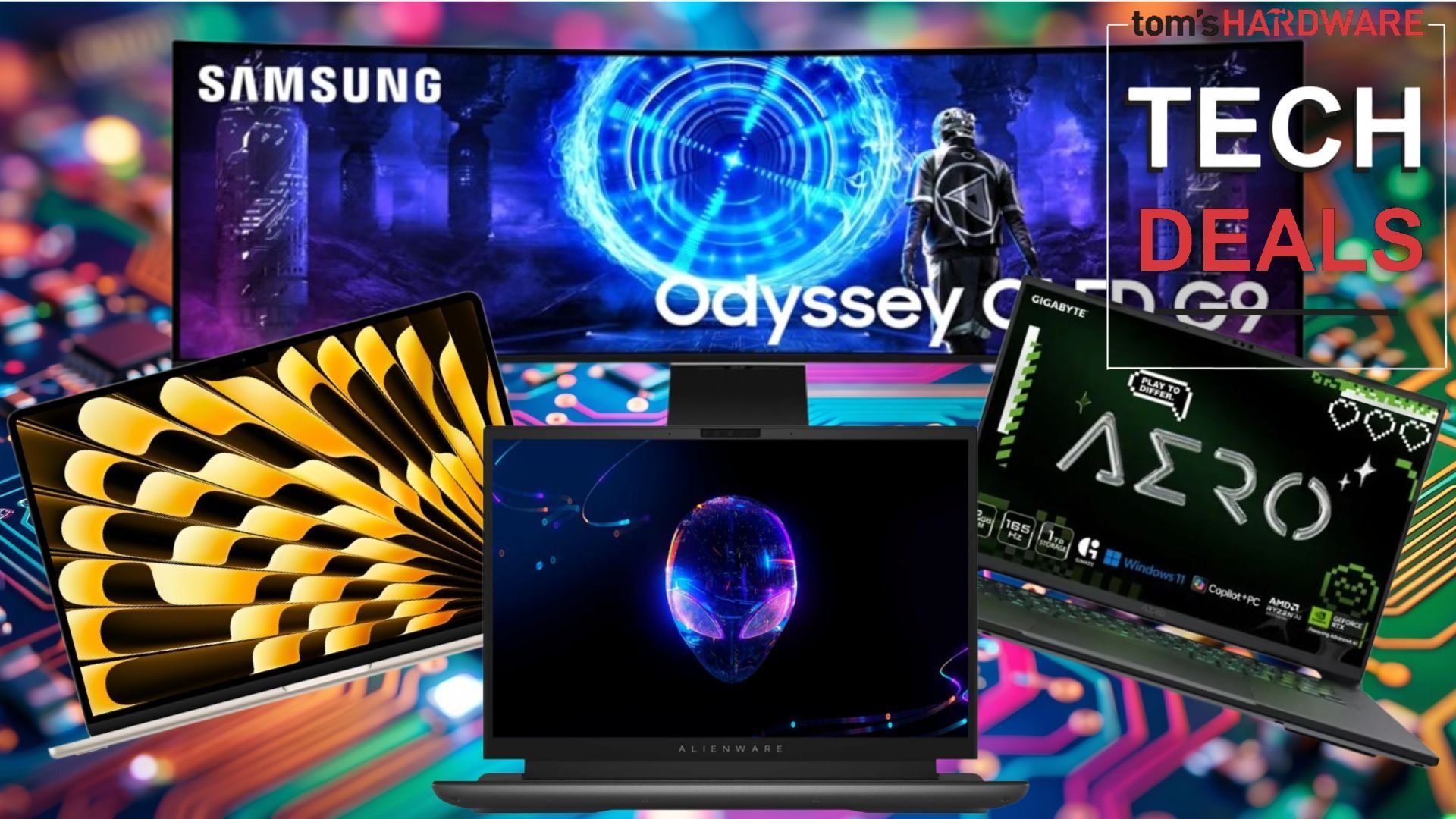
Best Buy’s Memorial Day promotion runs through May 25, 2026, and the headline discounts—up to 40 % off on RTX‑50 series laptops and OLED gaming monitors—are more than a seasonal curiosity. They expose the current state of the semiconductor supply chain, the pricing pressure on next‑gen GPUs, and the inventory strategies of OEMs that are still grappling with the after‑effects of the 2023‑24 wafer shortage.
1. What the price tags actually mean
| Product (as listed) | Original MSRP | Sale price | Discount | Key silicon |
|---|---|---|---|---|
| PNY RTX 5060 8 GB OC laptop | $359.99 | $339.99 | 5.6 % | Nvidia RTX 5060 (Ada‑Lite, 8 GB GDDR7) |
| Gigabyte Aero X16 (RTX 5070) | $1,999.99 | $1,499.99 | 25 % | Nvidia RTX 5070 (Ada‑Lite, 12 GB GDDR7) |
| Lenovo Legion Pro 5 (RTX 5060) | $1,774.99 | $1,424.99 | 19.7 % | Nvidia RTX 5060 (Ada‑Lite) |
| Samsung Odyssey G9 (49‑in OLED) | $1,699.99 | $999.99 | 41.2 % | No GPU, but uses 4K‑plus OLED panel |
| Samsung Odyssey OLED G50SF (27‑in) | $549.99 | $379.99 | 30.9 % | No GPU, but QD‑OLED panel |
The most dramatic cuts appear on high‑end OLED monitors (up to 41 % off) and on RTX 5070 laptops (25 % off). Mid‑range RTX 5060 machines see only single‑digit discounts. The disparity suggests two forces at play:
- Panel oversupply – OLED manufacturers have built excess capacity for 2025‑26 TV and monitor panels, and are now pushing inventory into the PC market to avoid long‑term storage costs.
- GPU inventory burn‑off – Nvidia’s Ada‑Lite line (RTX 5060/5070) launched in late 2024, but demand has been muted by the lingering effects of the 2023‑24 wafer crunch, which left many fab slots under‑utilized. OEMs are discounting remaining stock to free fab capacity for the upcoming RTX 5080 (expected Q4 2026) built on the 3 nm node.
2. Process‑node context for the RTX‑50 series
The RTX 5060 and RTX 5070 are fabricated on TSMC’s 4 nm N4 process, a modest shrink from the 5 nm N5 used for the previous generation’s RTX 4060/4070. The move to N4 yields:
- ~5 % higher transistor density – allowing 12 GB of GDDR7 on the RTX 5070 versus 8 GB on the RTX 5060.
- ~3 % better performance‑per‑watt – translating to typical laptop TDPs of 80 W (RTX 5060) and 115 W (RTX 5070).
- Reduced die cost – but only marginally, because N4 still requires the same number of mask sets as N5. The modest cost advantage explains why the price gap between RTX 5060 and RTX 5070 laptops is still ~30 % at MSRP.
Because the node shift is incremental, OEMs cannot justify a steep premium for the RTX 5070. The 25 % discount therefore brings the laptop’s price‑to‑performance ratio in line with the RTX 4060‑class devices launched two years earlier, effectively resetting the market’s price floor for high‑end mobile GPUs.
3. Supply‑chain ripple effects
3.1 Wafer fab utilization
- TSMC’s N4 utilization fell to ~68 % in Q1 2026, down from a peak of 78 % in Q4 2025. The dip correlates with the lower‑than‑expected uptake of Ada‑Lite GPUs.
- Samsung’s OLED fab reported a 12 % excess capacity in its 2026 Q1 panel output, prompting aggressive pricing on 27‑in and 49‑in gaming monitors.
3.2 Component pricing trends
- GDDR7 memory prices have steadied at $0.28/GB, a 15 % drop from the 2024 peak when demand outstripped supply.
- LPDDR5X‑5600 RAM remains at $6.50/GB, unchanged since early 2025, indicating that memory shortages have largely resolved.
3.3 OEM inventory strategies
- Lenovo and Asus are clearing 2025‑26 inventory to make room for laptops based on Intel’s 14th‑gen “Meteor Lake” CPUs paired with Nvidia’s upcoming RTX 5080.
- Alienware (Dell) is using the sale to move the Aurora 16‑inch line, which still ships with a Core 7 240H (a 2024‑era part) and an RTX 5060, before a planned refresh in Q3 2026.
4. Market implications for consumers and builders
- Best‑value GPU tier – For gamers targeting 1080p‑1440p play, the RTX 5060‑based laptops now sit at $1,400–$1,600, roughly the same price as a 2024 RTX 4060 laptop with a 12‑core CPU. The performance uplift is about 12 % in rasterization and 15 % in ray‑traced workloads, making the RTX 5060 the sweet spot for cost‑conscious buyers.
- OLED monitor adoption – The price drop on the 27‑in QD‑OLED (now $380) brings the cost per square inch to $5.6, comparable to high‑refresh IPS panels. Builders looking for deep blacks and wide color gamut can now consider OLED without a premium.
- Future‑proofing – The RTX 5070’s 12 GB VRAM and 165 Hz panel make it a viable bridge to the RTX 5080, which will demand 16 GB+ VRAM for 4K gaming. Buyers who can stretch to the $1,500 price point will avoid another upgrade cycle until at least 2028.
5. Outlook beyond the sale
- Nvidia’s RTX 5080 (3 nm) is slated for release in Q4 2026. Early benchmarks suggest a 30 % performance jump over the RTX 5070 at similar power envelopes, which will likely trigger another wave of inventory clearance in early 2027.
- TSMC’s 3 nm N3 line will reach full capacity in early 2027, potentially tightening supply for high‑end GPUs and driving up prices again.
- OLED panel demand is expected to rise with the rollout of next‑gen PlayStation and Xbox consoles that support 4K‑120 Hz, which could pull panel capacity away from the PC market and push monitor prices back up by late 2026.
6. Bottom line for the savvy shopper
The Memorial Day discounts are not just a seasonal gimmick; they are a data point in the broader supply‑chain narrative. The largest markdowns appear where supply outpaces demand—mid‑tier Ada‑Lite GPUs and oversupplied OLED panels. For consumers, the sweet spot is the RTX 5060 laptop range (≈ $1,400) and the 27‑in QD‑OLED monitor (≈ $380). Those who can wait for the Q4 2026 RTX 5080 launch will likely pay a premium, but they will also secure a platform that remains competitive for a longer horizon.
For the full list of deals, visit Best Buy’s Memorial Day page.
Comments
Please log in or register to join the discussion