Kadokawa Games announced RPG Maker U2U, the first new PC entry since 2020. Built on Unity, it adds a “Perspective 2D” system that lets creators blend 3D depth with classic 2D tiles, targeting the HD‑2D style popularized by Octopath Traveler. The engine promises backward‑compatible assets, a low learning curve, and the potential for richer visual effects, signaling a possible resurgence of indie HD‑2D RPGs.
RPG Maker Returns with HD‑2D Tools in New Unity‑Based U2U
Kadokawa Games lifted the curtain on RPG Maker U2U, the first full‑scale PC release in the series since RPG Maker MZ (2020). The announcement arrives just days after Valve stripped the “RPG Maker” tag from Steam, a move that sparked heated debate among hobbyists and developers. U2U aims to quiet the controversy by delivering a fresh set of features while preserving the series’ hallmark ease of use.
What’s new?
- Perspective 2D – A map editor that injects true 3‑dimensional depth into traditional 2‑D tiles. Users can place objects on a Z‑axis, adjust camera angles, and apply modern lighting and particle effects without writing shader code.
- Unity engine foundation – Unlike previous titles built on a proprietary engine, U2U runs on Unity. This opens the door to Unity’s asset store, third‑party plugins, and a mature physics system, while still exposing a simplified UI for non‑programmers.
- Asset compatibility – All graphics created for earlier RPG Maker versions (VX, MV, MZ) import directly, meaning creators can upgrade existing projects without rebuilding sprites or tilesets.
- No‑code workflow – Event scripting remains visual‑node based. New “Effect Nodes” let users attach bloom, depth‑of‑field, or screen‑space ambient occlusion to any map element with a single click.
- Cross‑platform export – In addition to Windows, the engine supports macOS, Linux, and a streamlined build pipeline for consoles, echoing the series’ recent expansion to PlayStation and Switch.
How it compares to earlier RPG Maker releases
| Feature | RPG Maker MZ (2020) | RPG Maker U2U (2024) |
|---|---|---|
| Engine | Proprietary C++/Qt | Unity 2023 LTS |
| 2D/3D support | Pure 2D tiles, limited parallax | Full 3D depth via Perspective 2D |
| Asset pipeline | Manual import, limited formats | Drag‑and‑drop, Unity asset store integration |
| Scripting | JavaScript (RGSS) | Visual node system, optional C# scripts |
| Export targets | Windows, macOS, Android, iOS | Windows, macOS, Linux, PS5, Switch |
The biggest shift is the move from a closed‑source, script‑heavy environment to a Unity‑based workflow that still feels like classic RPG Maker. Where MZ required a modest amount of JavaScript for custom mechanics, U2U lets creators stay entirely within the visual editor unless they choose to dive into C#. This lowers the barrier for newcomers while giving veterans a familiar sandbox for experimentation.
Where does the “HD‑2D” label come from?
Octopath Traveler (2018) popularized the term “HD‑2D” by marrying pixel‑art sprites with sophisticated 3‑D environments, dynamic lighting, and high‑resolution textures. Games such as 3D Dot Game Heroes (2009) hinted at the aesthetic earlier, but Square Enix’s title set the visual benchmark.
U2U’s Perspective 2D system reproduces that look by:
- Layered depth – Tiles are placed on separate Z‑layers, allowing the camera to move past them and create parallax without pre‑rendered backgrounds.
- Real‑time lighting – Unity’s built‑in lighting engine adds directional lights, point lights, and emissive materials that react to the player’s position.
- Post‑processing effects – Bloom, chromatic aberration, and volumetric fog are toggled via simple checkboxes, giving a polished finish without shader programming.
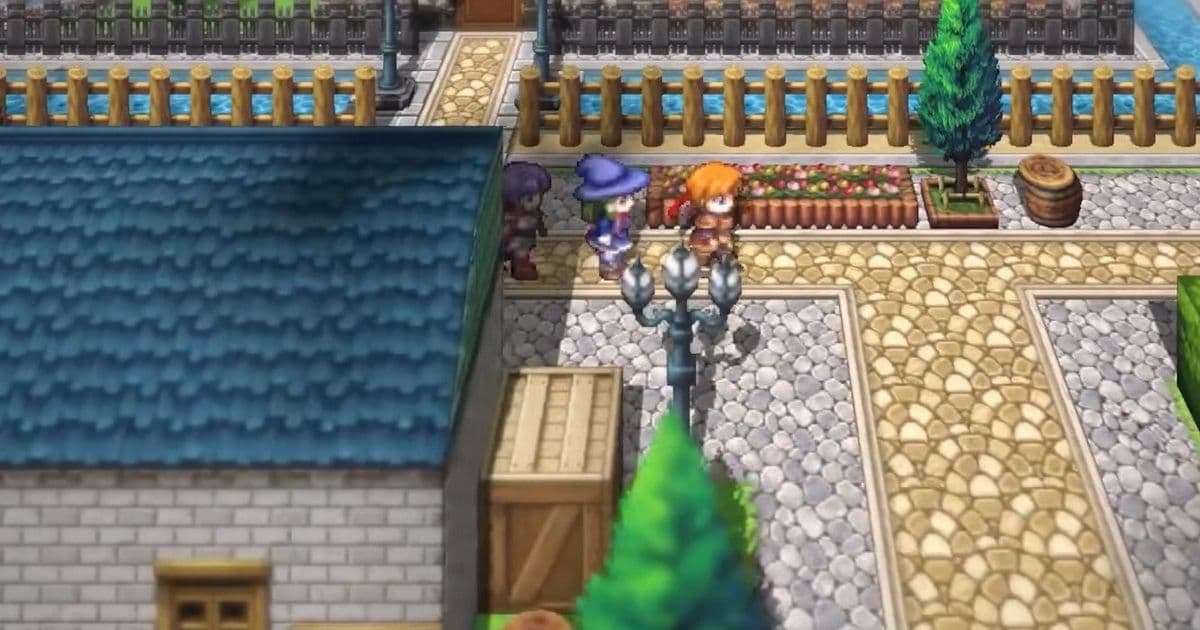
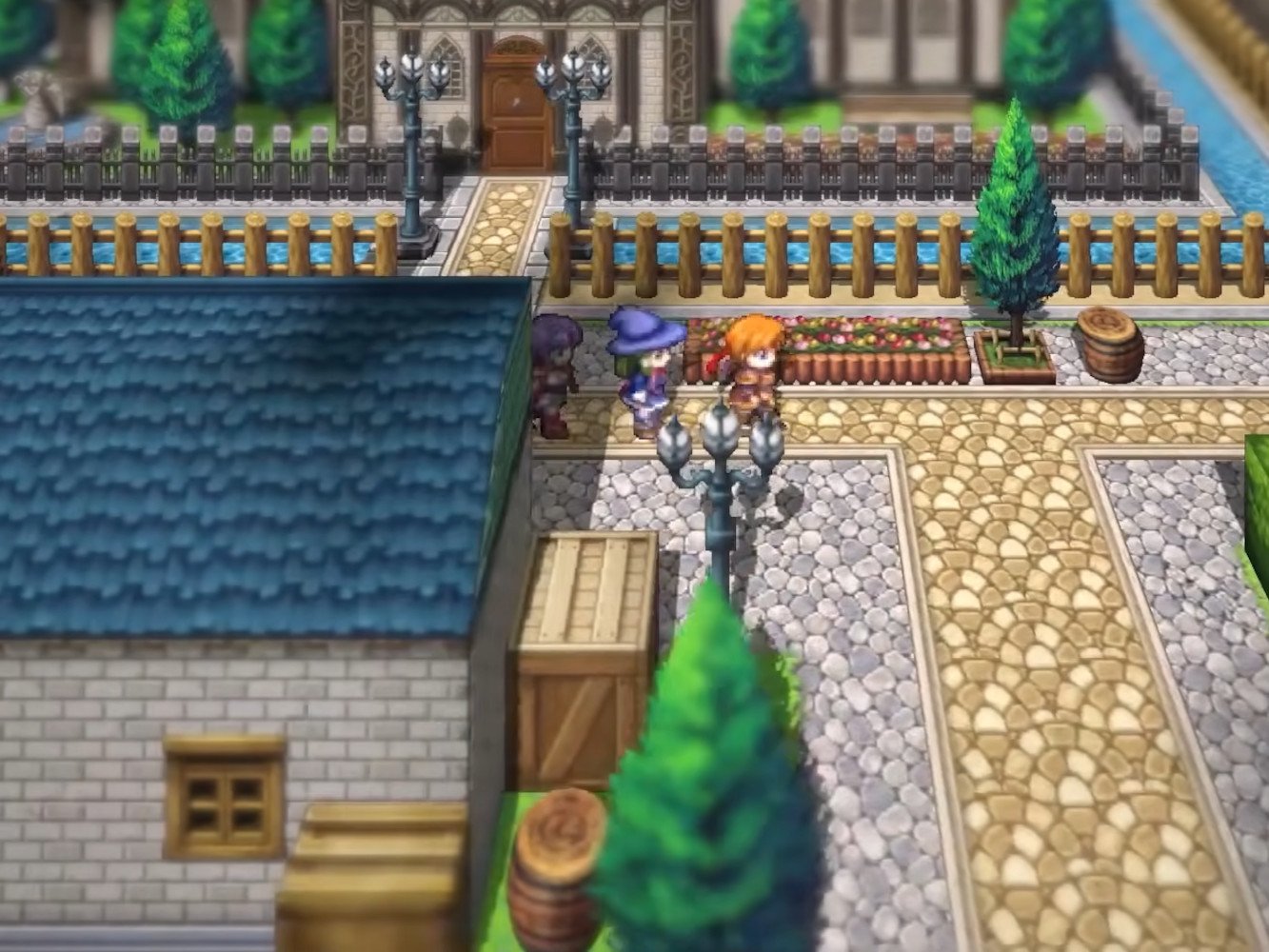
The trailer shows a modest demo: a town square rendered with crisp pixel sprites, a subtle depth of field that blurs distant rooftops, and a soft glow around torches. While the visual fidelity does not yet match a AAA‑budget Octopath sequel, the foundation is solid enough for indie teams to push the envelope.
Who should care?
- Indie RPG developers – Anyone who has built a game in older RPG Maker versions can now upgrade to a 3‑D‑capable engine without abandoning their existing asset library.
- Hobbyists and educators – The no‑code approach keeps the learning curve shallow, making it ideal for classroom settings or weekend projects.
- Fans of HD‑2D aesthetics – Creators who admire the Octopath style but lack the resources to master Unity from scratch now have a bridge that handles the heavy lifting.
- Veteran Unity users – Developers who already work in Unity can adopt the RPG Maker UI as a rapid prototyping layer, then drop back into full Unity for custom mechanics.
Potential impact on the indie scene
The indie market has gravitated toward Unity and Unreal for their visual power, leaving RPG Maker as a niche tool for 2‑D‑only projects. By integrating Unity, Kadokawa may revive interest in the HD‑2D niche, encouraging a wave of titles that blend nostalgic pixel art with modern lighting and depth cues. Early access to Unity’s asset store also means creators can source ready‑made particle systems, shaders, and UI kits, accelerating development timelines.
What’s missing?
- Pricing and release date – Kadokawa has not disclosed a launch window or cost structure. Historically, RPG Maker titles have sat between $30‑$50 USD, but a Unity license could shift that model.
- Performance benchmarks – No data yet on how the engine handles large maps or high‑resolution assets on modest hardware. Benchmarks will be crucial for developers targeting low‑end laptops.
- Modding support – While Unity is mod‑friendly, the extent to which U2U will expose its internals to community mods remains unclear.
Bottom line
RPG Maker U2U represents a strategic pivot: retain the series’ hallmark simplicity while borrowing Unity’s visual muscle. If Kadokawa delivers a stable, reasonably priced package, the tool could spark a modest renaissance of HD‑2D indie RPGs, giving creators a middle ground between pixel‑perfect 2‑D engines and heavyweight 3‑D pipelines.
Stay tuned for pricing details and a possible early‑access demo later this year.
Comments
Please log in or register to join the discussion