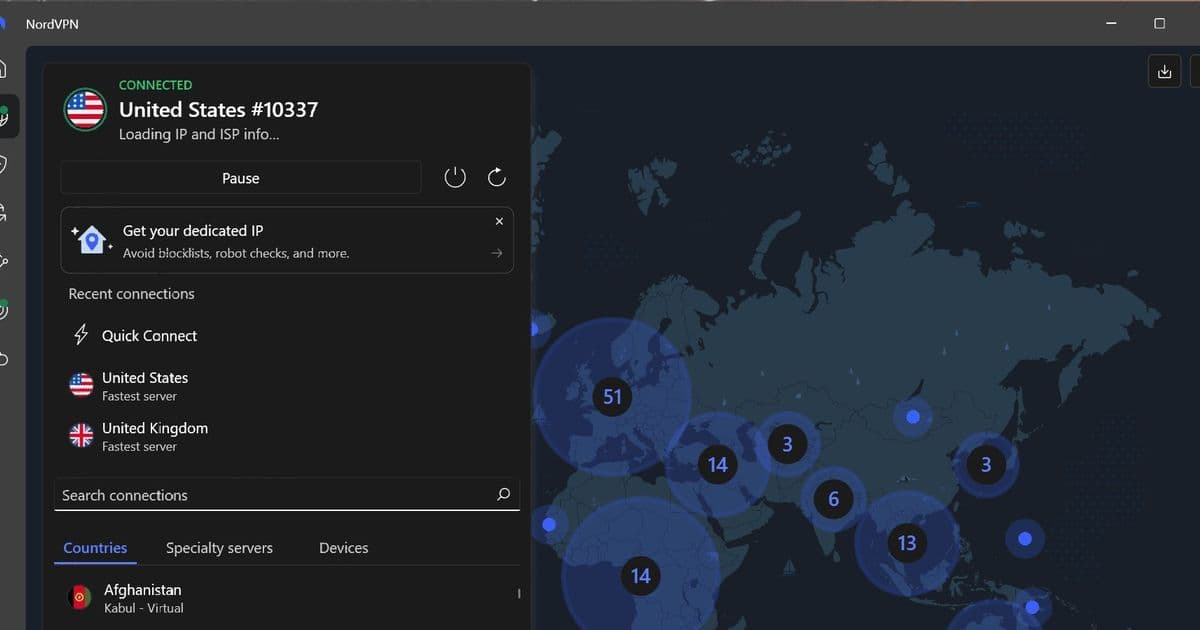
As age-verification laws and privacy concerns drive VPN adoption, our deep dive identifies the top services based on rigorous testing and transparency. Proton VPN emerges as the best overall, while Windscribe, Surfshark, and Mullvad offer specialized strengths for free access, simplicity, and anonymity. We break down the technical realities behind VPN promises and what developers need to know.
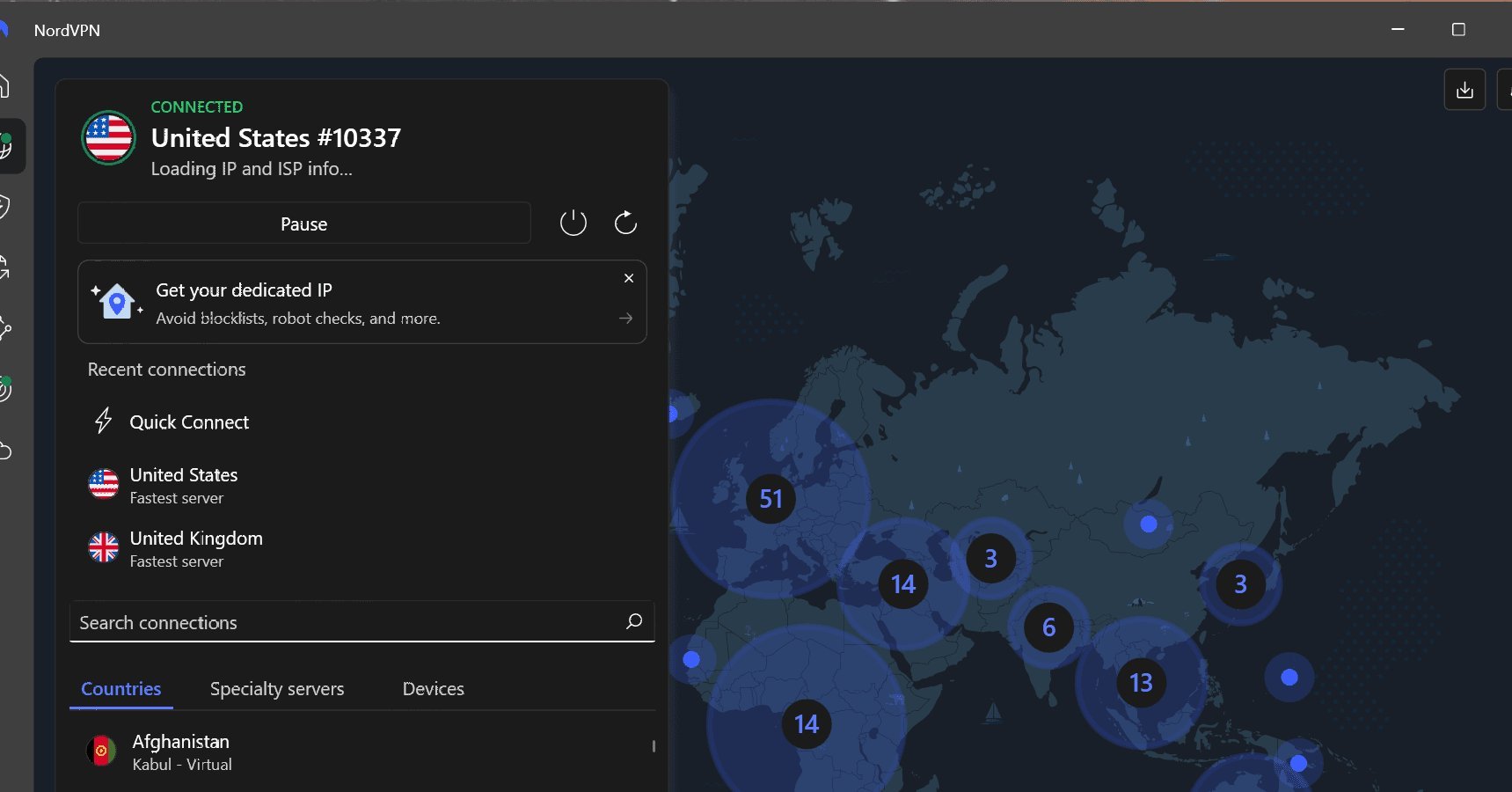
With age-verification laws proliferating in regions like the UK and US, VPNs have shifted from optional tools to near-necessities for maintaining online privacy. Yet, as Jacob Roach reports for WIRED, the market is flooded with providers making lofty claims about 'no-logging' policies and security—many of which crumble under scrutiny. After extensive testing and analysis, a handful of services stand out for their technical integrity, speed, and transparency. For developers and security professionals, choosing the right VPN isn't just about bypassing geo-blocks; it's about integrating tools that uphold ethical standards and withstand real-world threats.
The VPN Landscape: Why Transparency Matters
VPNs anonymize traffic by routing it through encrypted tunnels to remote servers, masking users' IP addresses and locations. This is crucial for developers working on public Wi-Fi or handling sensitive data, but the industry's murky practices—like logging user activity despite 'no-log' promises—pose significant risks. Features like kill switches (which cut internet access if the VPN drops), split tunneling (allowing selective app routing), and double-hop connections (routing through two servers) are now table stakes. Yet, as Roach notes, few providers back their claims with verifiable audits or legal resilience: "VPN providers have been deep in murky waters for years, constantly caught lying about their practices."
Top Picks: Technical Breakdown and Testing Insights
Testing focused on two core metrics: speed retention (measuring drops via repeated US/UK server tests against a baseline) and security validation (using tools like Wireshark and Browser Leaks to detect IP/DNS leaks). Here’s how the leaders stack up:
Proton VPN: Best Overall
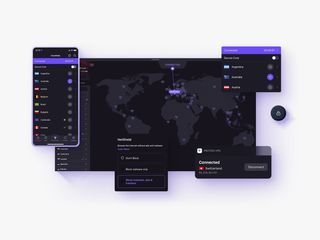 Why it leads: Proton VPN Plus delivered the fastest speeds in testing—with minimal latency—and boasts unmatched transparency. Its applications are open-source, and it undergoes annual third-party audits, reducing vulnerabilities that could compromise developer workflows. Features like port forwarding and NetShield ad-blocking add versatility, while a strict no-log policy held up under scrutiny. As Roach emphasizes, "Proton puts its money where its mouth is." Ideal for: Teams needing reliability for secure coding sessions or data transfers.
Windscribe: Best Free VPN
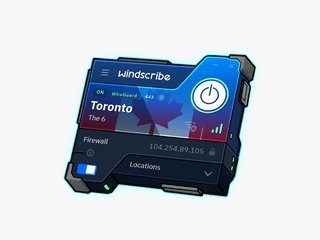 The exception to the rule: Most free VPNs are privacy nightmares, but Windscribe offers a credible 10GB/month plan with unlimited connections. Its unique à la carte pricing (e.g., $1/month per extra server location) appeals to tinkerers. Crucially, it proved its no-log commitment when its CEO faced criminal charges in Greece and couldn’t produce user data. Speeds dropped just 15.6% in tests, making it viable for light development tasks. Caveat: Avoid for high-bandwidth operations.
Surfshark: Best for Beginners
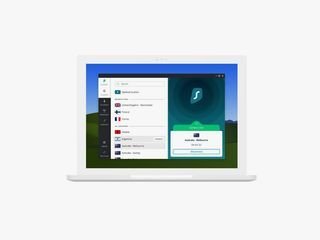 Simplicity meets depth: Surfshark’s intuitive interface connects quickly, ideal for developers prioritizing ease of use. It supports unlimited devices and includes advanced tools like double-hop and an ad blocker. However, closed-source apps and lack of anonymous payment options limit its appeal for high-stakes privacy. Speeds dipped 19% in testing—solid but not class-leading. Roach notes it’s "dead simple" but falls short of Proton’s transparency.
Mullvad: Best No-Logs VPN
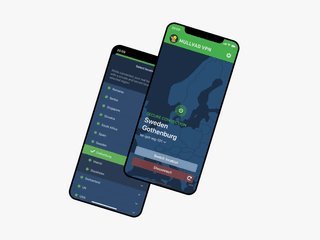 The anonymity gold standard: Mullvad requires no email or personal details—users generate an account number and can pay via cash or crypto. Its DAITA feature combats AI traffic analysis by adding network noise, a boon for developers in surveillance-heavy regions. Though speeds dropped 24% (slower than rivals), its 2022 police raid in Sweden yielded no logs. Downsides: No port forwarding and a smaller server network. Priced at ~$6/month, it’s a niche but vital tool for extreme privacy needs.
Testing Methodology: How We Evaluated
Roach’s approach combined real-world simulations and technical probes:
- Speed: Baseline measurements taken before each test, with three rounds per server (US/UK) at varying times. Proton led with the smallest drop (under 10% in optimal conditions), while services like Private Internet Access suffered over 50% losses.
- Security: DNS/WebRTC/IP leak tests via Browser Leaks, supplemented by Wireshark packet sniffing to verify encryption. All top picks passed flawlessly.
- Privacy audits: Only providers with third-party verifications (e.g., Proton, NordVPN) or proven court defenses (Windscribe) made the cut. Avoided newcomers like PrivadoVPN lacking transparency reports.
Why This Matters for Developers
Beyond personal use, VPNs intersect with software supply chain security. Choosing providers with open-source clients (like Proton) mitigates risks of embedded vulnerabilities, while features like split tunneling can isolate development environments. As regulations tighten, tools that resist coercive data requests—demonstrated by Mullvad and Windscribe—set a benchmark for ethical infrastructure. Yet, Roach cautions: "VPNs are marketed as security tools, but they serve a better purpose for privacy and bypassing geo-restrictions." In an era of AI-driven surveillance, the right VPN isn't just a convenience—it's a shield for innovation.
Source: WIRED, by Jacob Roach
Comments
Please log in or register to join the discussion