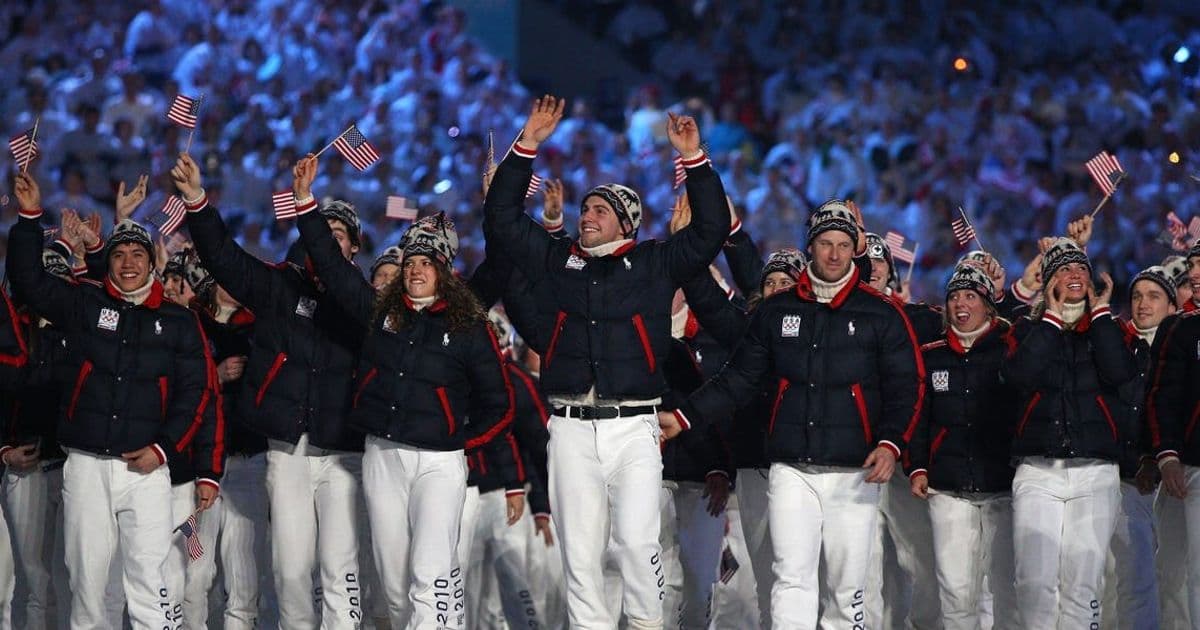
Ross Stevens' unprecedented $100 million donation to the USOPC provides $200,000 to every U.S. Olympic and Paralympic athlete, addressing the financial insecurity many face after their competitive careers end.
When American athletes stand on the Olympic podium, they represent the pinnacle of athletic achievement. Yet behind those moments of glory lies a harsh reality: unlike athletes from many other nations, U.S. Olympians receive no direct financial support from their government for their medal-winning performances. This paradox has long troubled billionaire financier Ross Stevens, who has now committed $100 million to change the landscape of Olympic compensation in America.
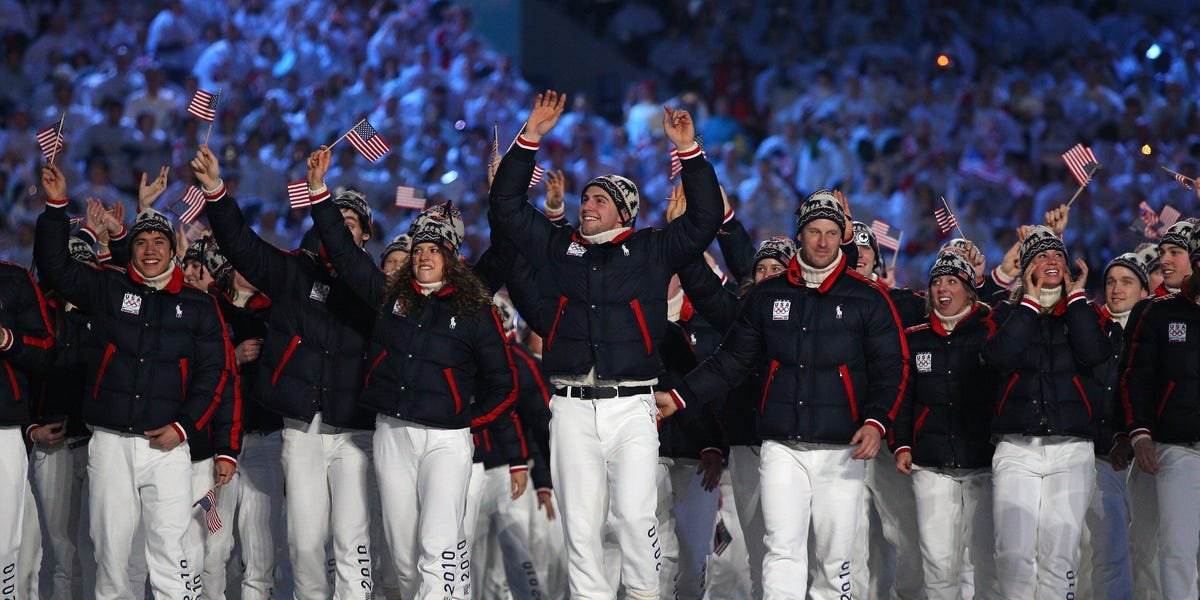
Stevens' gift, announced last March, represents the largest donation in the history of the U.S. Olympic & Paralympic Committee. Starting with the upcoming Milan Cortina Olympics, every U.S. Olympic and Paralympic athlete will receive $200,000—regardless of whether they win a medal. The payment structure is particularly thoughtful: half the amount will be distributed 20 years after their first qualifying Olympic appearance or at age 45, whichever comes later. The remaining $100,000 takes the form of a guaranteed benefit for their families after they pass away.
This isn't just about immediate financial reward. Stevens' vision addresses a critical gap in the Olympic ecosystem. While many athletes secure endorsement deals and receive varying levels of support from their sport's national governing body, the transition from elite competition to post-athletic life often proves financially challenging. Most Olympic careers peak in an athlete's twenties or early thirties, leaving decades of life where traditional career paths and financial security may be lacking.
"I do not believe that financial insecurity should stop our nation's elite athletes from breaking through to new frontiers of excellence," Stevens stated when announcing his gift. His perspective reflects a growing recognition that athletic excellence shouldn't come at the cost of long-term financial stability.
The Stevens Financial Security Awards, as they're officially known, represent more than a safety net—they're designed as a springboard. USOPC Chair Gene Sykes emphasized this transformative potential: "In the heart of every Team USA athlete lies a story of dedication, sacrifice and triumph. These extraordinary individuals have committed their lives to their sport, often at the expense of traditional career paths and financial savings."
Sykes added that Stevens' generosity and "philanthropic creativity" will enable the creation of something beyond mere financial support. The awards aim to propel athletes to "even greater heights beyond their Olympic and Paralympic careers," acknowledging that the discipline, resilience, and excellence developed through elite sport can translate into success in many other domains of life.
This unprecedented gift arrives at a time when the economics of Olympic sport are under increasing scrutiny. While the IOC generates billions in revenue from broadcasting rights and sponsorships, the distribution of those funds to athletes remains contentious. Stevens' approach—providing direct, substantial support to every qualifying athlete—offers a model that other wealthy supporters of Olympic sport might consider emulating.
The impact extends beyond individual athletes. By providing this financial foundation, Stevens is investing in the broader Olympic movement in the United States. Athletes who know they'll have financial security after their competitive careers may be more willing to commit fully to their training, potentially raising the overall level of American performance on the world stage.
For the thousands of athletes who have dedicated their lives to representing the United States, Stevens' gift represents recognition not just of their athletic achievements, but of the sacrifices they've made along the way. It acknowledges that excellence in sport, like excellence in any field, deserves to be valued—not just in the moment of victory, but throughout a lifetime.
Comments
Please log in or register to join the discussion