
A rare bipartisan effort in Congress is moving to create a U.S. strategic reserve for critical minerals, aiming to reduce dependence on foreign supply chains and bolster national security. The proposal, backed by both parties, signals a shift in how the government views resource security in the tech and clean energy sectors.
A bipartisan coalition in Congress is advancing legislation to establish a U.S. strategic reserve for critical minerals, a move that would mark a significant shift in how the nation secures resources essential for technology, defense, and the clean energy transition. The plan, which has garnered support from both sides of the aisle, is a direct response to growing concerns over supply chain vulnerabilities and the geopolitical leverage held by a handful of nations, particularly China.
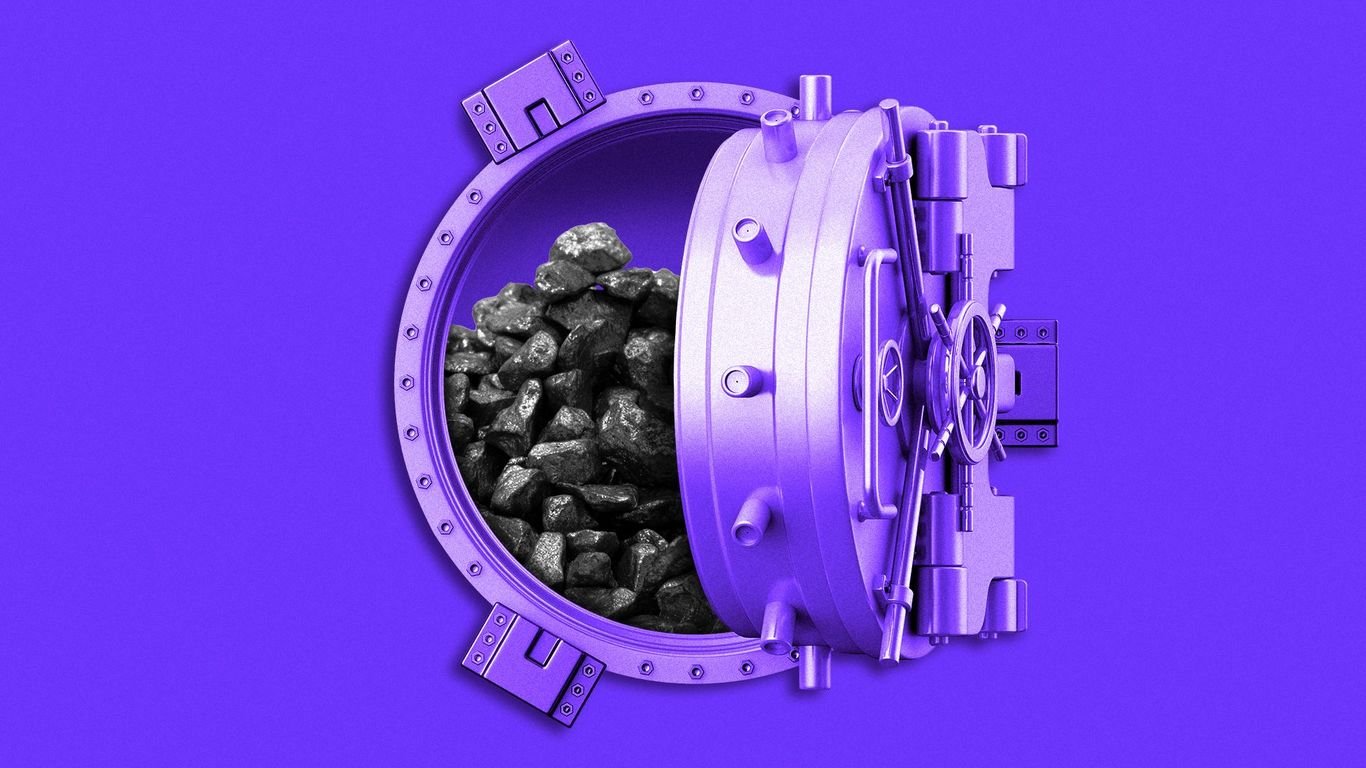
The proposed reserve would function similarly to the U.S. Strategic Petroleum Reserve, but for a curated list of minerals deemed vital to national and economic security. The legislation, currently in draft stages, is expected to include a framework for acquiring, storing, and managing these materials. The goal is to create a buffer against supply disruptions, price shocks, and potential embargoes that could cripple key industries.
The Strategic Context
The push for a mineral reserve is rooted in stark market realities. The United States is heavily reliant on imports for a range of critical minerals. According to U.S. Geological Survey data, the U.S. imports more than 50% of its supply for at least 15 critical minerals, with reliance exceeding 90% for several, including rare earth elements. China dominates the global processing and refining capacity for many of these materials, creating a single point of failure in global supply chains.
This dependency has been laid bare by recent geopolitical tensions and the COVID-19 pandemic, which exposed the fragility of just-in-time global logistics. For the tech sector, this isn't an abstract concern. Minerals like lithium, cobalt, and nickel are the building blocks of lithium-ion batteries for electric vehicles and consumer electronics. Rare earth elements like neodymium are essential for high-strength permanent magnets used in wind turbines, electric motors, and hard drives. A disruption in these supply chains could directly impact the production of everything from smartphones to grid-scale energy storage.
How a Strategic Reserve Would Work
The operational model for the reserve is still being defined, but it would likely involve a combination of government-held stockpiles and strategic partnerships with private industry. The legislation is expected to authorize the Department of Energy or a similar agency to purchase and store minerals when market prices are low, creating a cost-effective way to build up reserves. During a crisis or severe shortage, these materials could be released to stabilize the market and ensure domestic manufacturers have access to necessary inputs.
This approach mirrors strategies used for decades in the energy sector. The Strategic Petroleum Reserve, established in 1975 after the Arab oil embargo, has been used to mitigate price spikes and supply interruptions. Applying this model to minerals is a logical extension, though it presents unique challenges. Unlike oil, which is a standardized commodity, critical minerals come in various grades and require complex processing. A reserve would need to account for these technical specifications and ensure stored materials remain usable and do not degrade.
Industry and Market Implications
For the technology and clean energy industries, the creation of a mineral reserve could provide a degree of supply certainty. Companies investing billions in battery gigafactories and semiconductor fabs need predictable access to raw materials. A government-backed reserve could act as a backstop, reducing the risk of production halts due to external shocks. This could, in turn, lower the cost of capital for these projects and accelerate deployment.
However, the reserve is not a panacea for the broader challenge of onshoring mineral supply chains. It addresses the symptom—supply insecurity—rather than the root cause, which is a lack of domestic mining and processing capacity. Building a mine in the U.S. can take over a decade due to permitting hurdles and environmental reviews. A reserve buys time but does not replace the need for long-term investment in domestic extraction and refining.
The legislation is expected to include incentives for domestic production, but the primary focus remains on stockpiling. Critics argue that without parallel efforts to expand U.S. mining and processing, the reserve could become a costly stopgap that fails to address structural dependencies. Proponents counter that it is a necessary first step to ensure stability while longer-term solutions are developed.
The Bipartisan Angle
The fact that this initiative has bipartisan backing is notable in a polarized political environment. It reflects a rare convergence of national security and economic competitiveness interests. Republicans often frame the issue in terms of reducing reliance on adversarial nations and bolstering defense capabilities. Democrats tend to emphasize the clean energy transition and the need to secure materials for renewable technologies.
This alignment has given the proposal momentum, though details like funding sources, the specific minerals covered, and the governance structure of the reserve remain points of negotiation. The bill is expected to be introduced in the coming months, with a goal of attaching it to a larger legislative package, such as a defense authorization bill or a broader economic competitiveness act.
What Comes Next
The creation of a U.S. critical mineral reserve would represent a significant policy shift, treating resource security with the same seriousness as energy security. For investors and industry players, it signals increased government involvement in mineral markets, which could influence pricing and investment decisions. It also underscores the growing strategic importance of the tech and clean energy supply chains in national policy.
The path forward will involve careful calibration. A reserve that is too small may be ineffective, while one that is too large could distort markets and strain budgets. The selection of which minerals to include will be critical; the list will likely align with the U.S. government's existing list of critical minerals, which is periodically updated by the Department of the Interior.
Ultimately, the reserve is one piece of a larger puzzle. It is a defensive measure designed to buy time and reduce immediate risk. The long-term solution requires building a resilient, diversified, and sustainable domestic supply chain for the materials that will power the next generation of technology and energy systems. This bipartisan plan is a step in that direction, acknowledging that in an era of strategic competition, control over critical resources is fundamental to technological leadership and economic stability.
Comments
Please log in or register to join the discussion