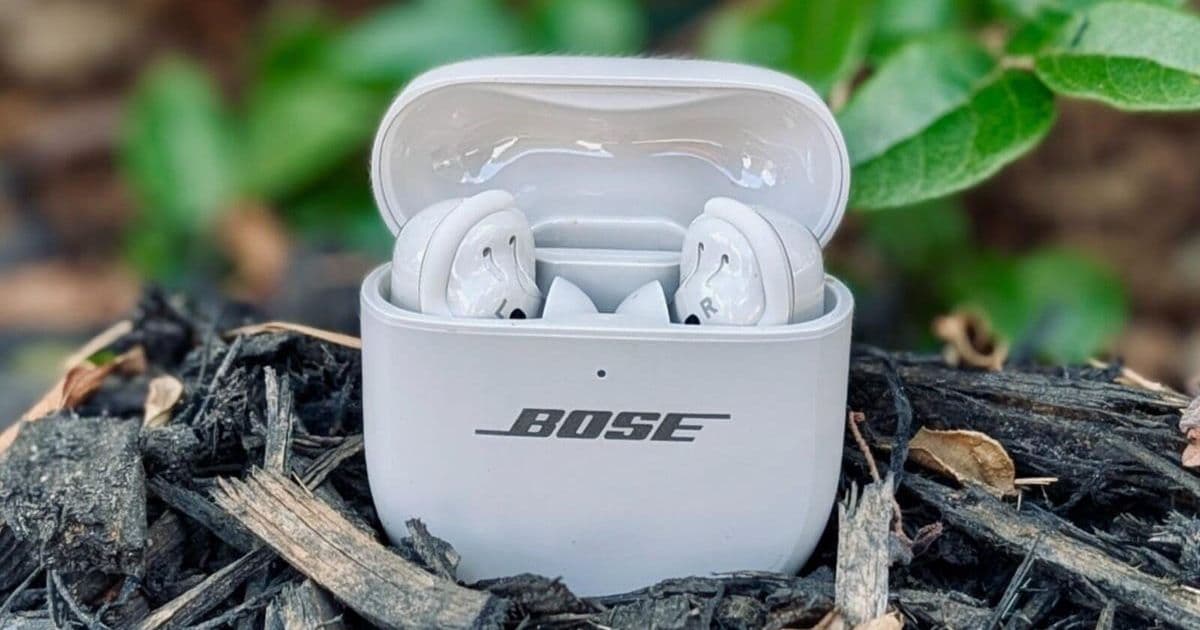
While competitors chase generative AI chatbots and translation in earbuds, Bose's QuietComfort Ultra Earbuds 2 demonstrate a powerful alternative: investing heavily in AI to perfect adaptive noise cancellation. The result is an imperceptibly smooth, highly responsive ANC experience that sets a new benchmark, proving that sometimes the most impactful AI is the one you barely notice working. This strategic focus prioritizes core functionality over gimmicks, delivering tangible benefits for everyda
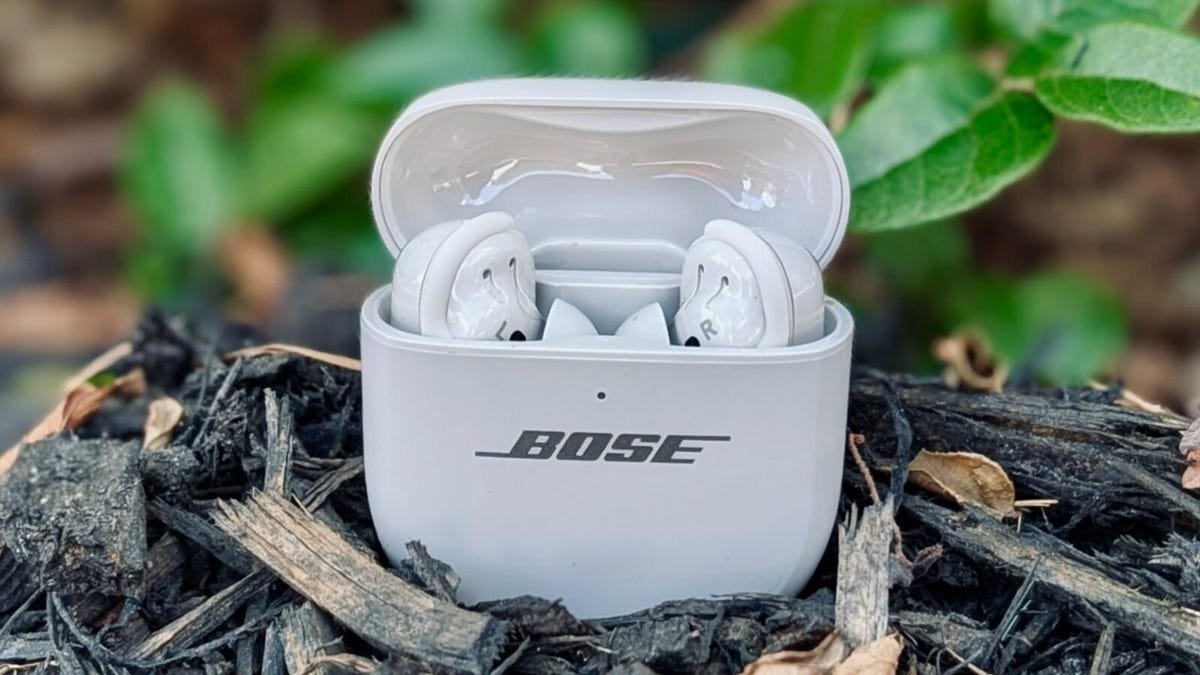
In the frenzied rush to cram generative AI into every conceivable gadget, from smartphones to earbuds, features like real-time translation and chatbot access grab headlines. Bose, however, is taking a different, arguably more pragmatic, approach with its second-generation QuietComfort Ultra Earbuds 2. Instead of chasing conversational AI buzz, the company has directed its AI resources towards refining a fundamental feature: Adaptive Active Noise Cancellation (ANC). The outcome, according to ZDNET's hands-on testing, is a transformative listening experience that redefines expectations for noise control in truly wireless earbuds.
Beyond Static Silence: The Algorithmic Advantage
Traditional ANC uses microphones to pick up external sounds and generates opposing sound waves to cancel them out. While effective for constant droning noises, it struggles with unpredictable environmental shifts – like a sudden burst of laughter in a cafe or the roar of a passing truck. Adaptive ANC, employed by major players like Apple, Samsung, Google, and Sony, uses AI algorithms trained on vast datasets of real-world sounds. These algorithms classify noises, predict their behavior, and dynamically adjust the level and type of cancellation applied.
Bose's implementation, dubbed ActiveSense, represents a significant leap forward. Integrated within the earbuds' "Aware" mode (designed for situational awareness), ActiveSense doesn't just react; it anticipates and adapts with remarkable subtlety. "I can't tell when the QuietComfort Ultra Earbuds 2 start employing noise cancellation -- it's always in the background, but hardly reveals itself to my ears," reports ZDNET Editor Jada Jones, comparing them directly to her daily AirPods Pro 2.
The Imperceptible Difference: Real-World Performance
Jones's testing highlighted the tangible benefits of Bose's AI focus:
- Seamless Transitions: Moving from a quiet parking lot into a noisy grocery store, the earbuds adjusted ANC levels instantly and smoothly, without the jarring shifts or pressure build-up sometimes felt with competitors.
- Superior Conversation Awareness: When the cashier spoke, ActiveSense reduced background noise just enough for clear speech without lag. "Bose's earbuds swiftly allowed me to hear them without any in-ear pressure changes or missing any of their words," Jones noted, contrasting this with the noticeable delay in Apple's Conversation Mode.
- Natural Attenuation: External noise fades into the background organically, rather than being abruptly silenced, creating a more comfortable and less fatiguing listening experience over long periods.
Prioritizing Substance Over Hype
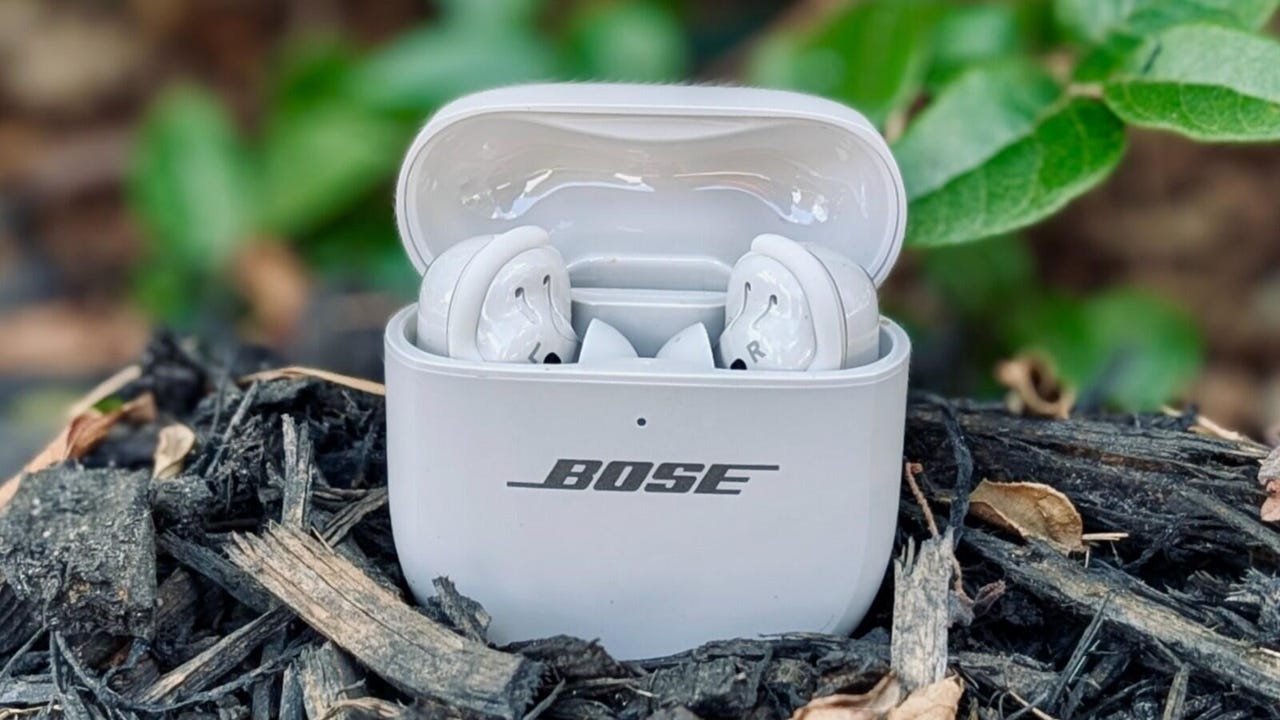
This refined ActiveSense technology is the result of Bose consciously allocating its "AI budget" towards core audio processing and noise management rather than features like on-device chatbots or real-time translation, which often require specific ecosystems and see infrequent use. "Bose knows its strengths," Jones observes, "and instead of chasing AI features that'll flop, Bose understands that leveraging AI for noise canceling and processing purposes will always be king."
The success of the QuietComfort Ultra Earbuds 2's approach underscores a crucial point in the current AI gold rush: Not all AI applications are created equal. For a device whose primary function is delivering high-quality audio in any environment, perfecting the intelligent management of that environment through AI is arguably the most valuable investment. Bose's gamble on making the invisible AI – the one working tirelessly to create a pristine auditory bubble – its standout feature, pays off with a user experience that feels effortless and profoundly effective. It’s a quiet revolution, proving that sometimes the most advanced technology is the one you don't consciously perceive, only profoundly appreciate.
Source: Based on testing and reporting by Jada Jones for ZDNET (https://www.zdnet.com/article/i-tried-bose-quietcomfort-ultra-earbuds-ai-noise-cancelling-and-cant-go-back-to-regular-anc/).
Comments
Please log in or register to join the discussion