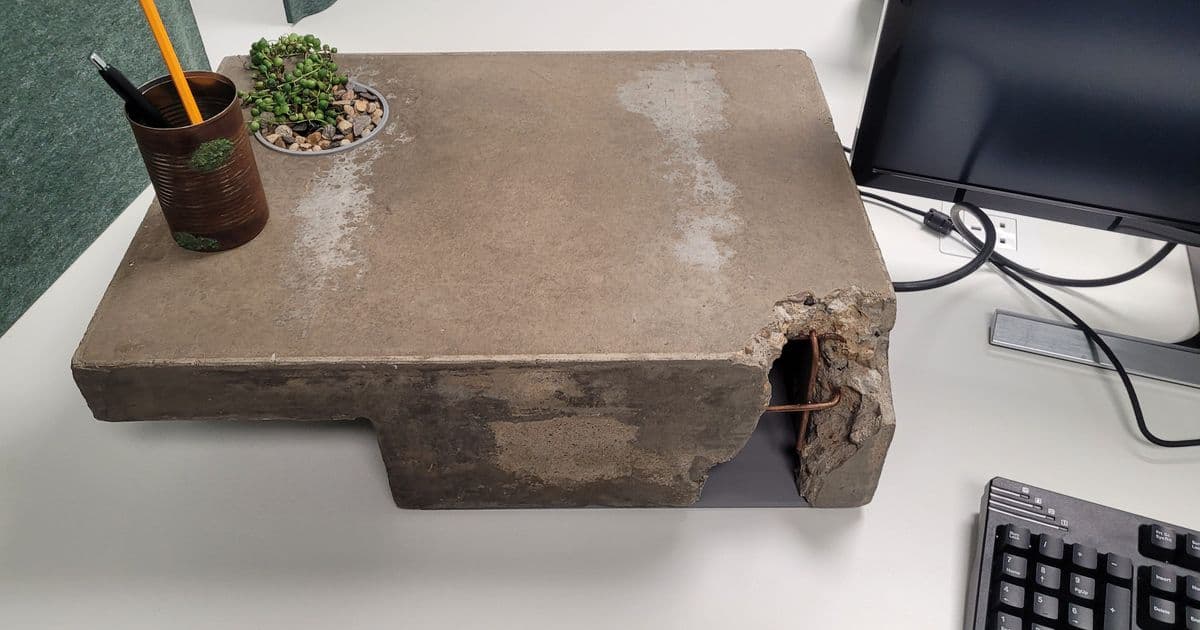
A tech enthusiast crafts a brutalist concrete laptop stand featuring exposed rebar, rusted elements, and integrated plant life - proving that functional furniture can be an architectural statement.
When most people think of laptop stands, they imagine sleek aluminum or minimalist wood designs. But Sam Burns saw an opportunity to merge brutalist architecture with everyday tech accessories. The result? A concrete behemoth that weighs more than most laptops themselves, yet somehow manages to be both functional and artistically provocative.
The Birth of a Brutalist Vision
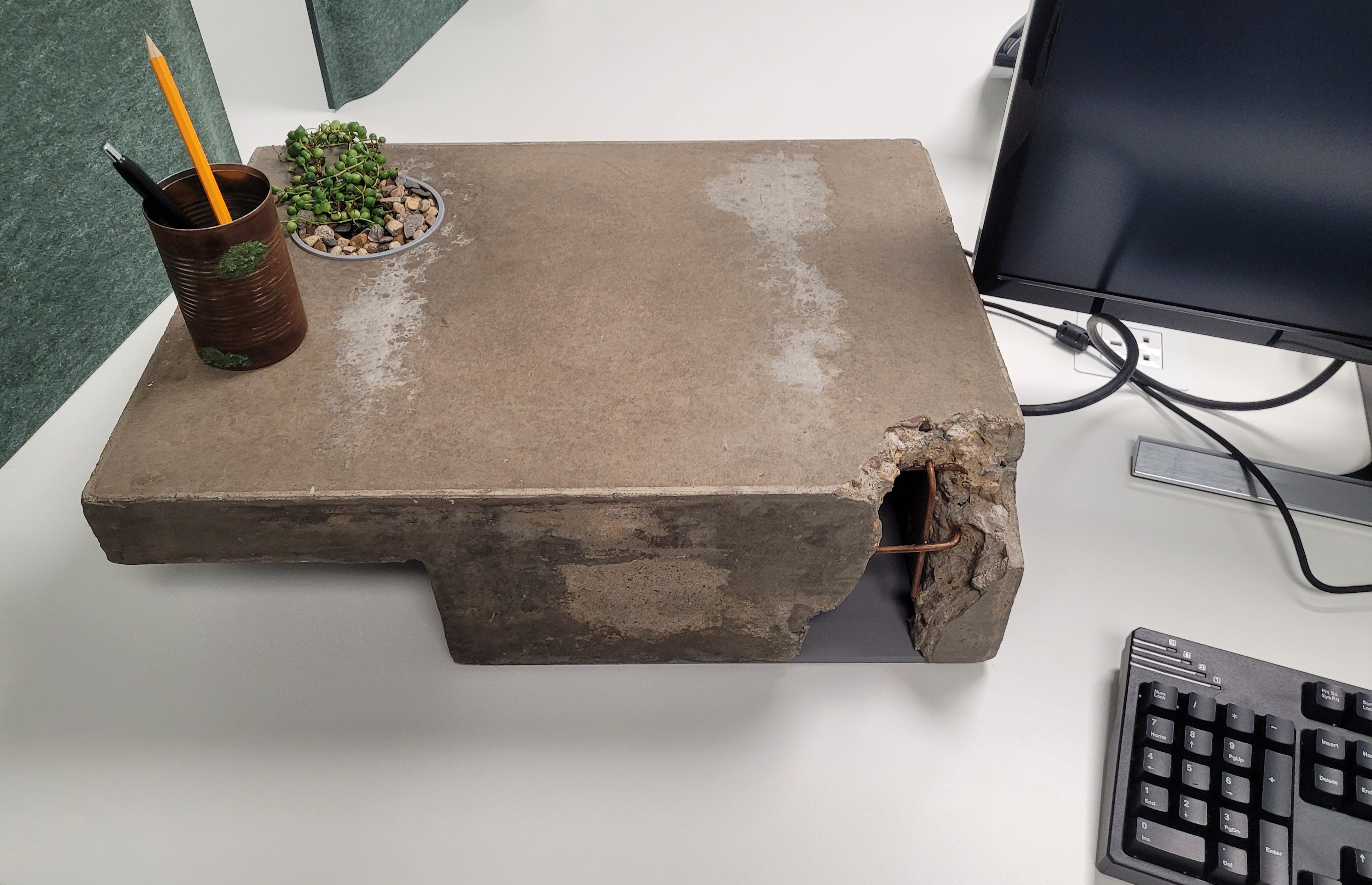
Burns' fascination with 1960s concrete architecture - what architects call beton brut or "raw concrete" - led to an unconventional project. Rather than hiding the rough, imperfect nature of concrete, he embraced it. The stand's surface texture deliberately showcases areas where the mix wasn't perfectly uniform, creating natural variations between cement-rich and sand-heavy patches.
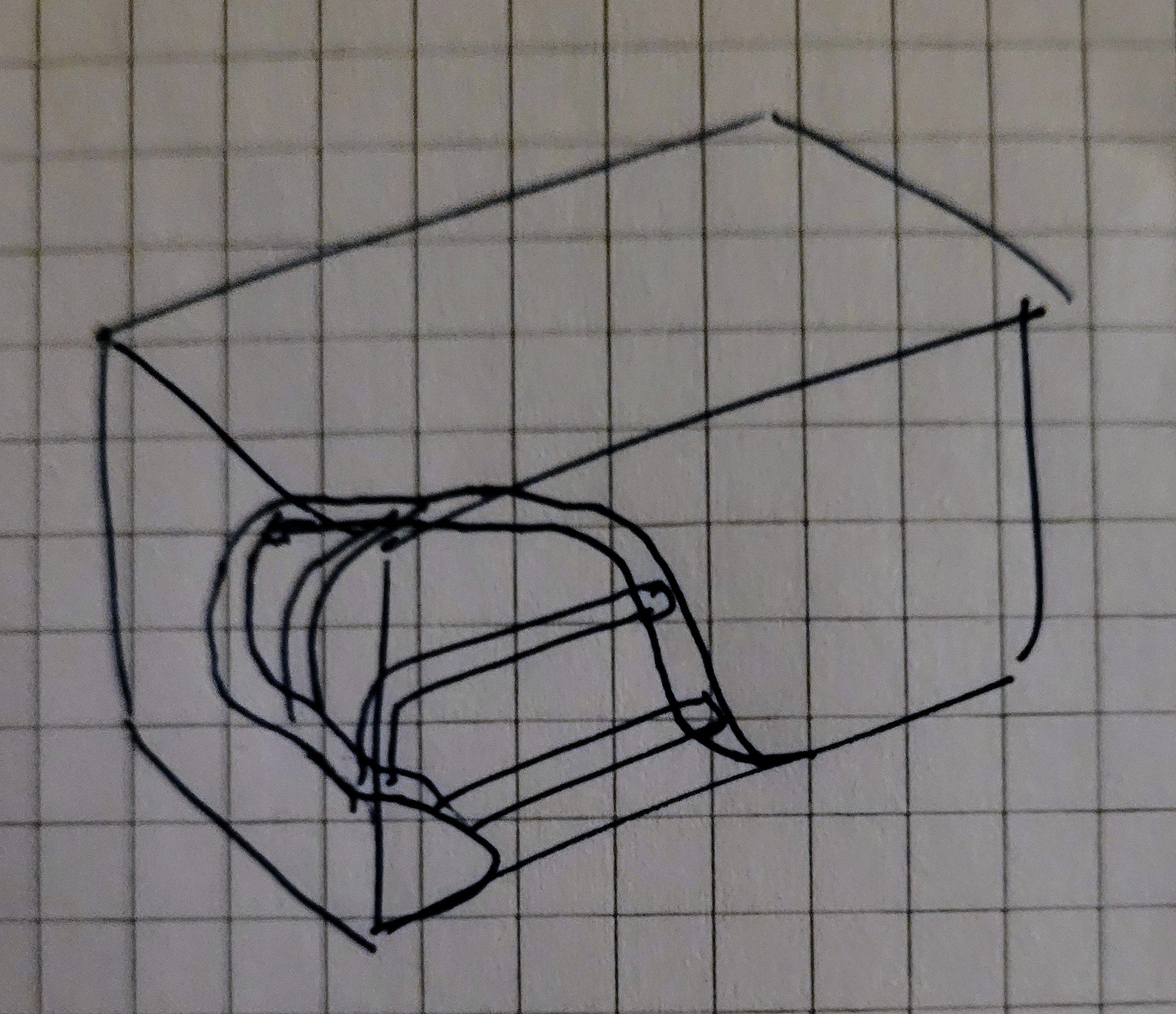
The design philosophy centers on celebrating imperfection. Where traditional furniture seeks flawless finishes, this stand wears its flaws proudly - from the intentionally damaged corner to the exposed rebar that tells a story of urban decay.
Engineering Meets Aesthetics
What makes this stand remarkable isn't just its appearance, but how Burns solved practical problems through creative means:
Power Integration: The stand houses a three-pin plug socket and two USB charging ports (2.1 amps each), eliminating cable clutter while maintaining the brutalist aesthetic.
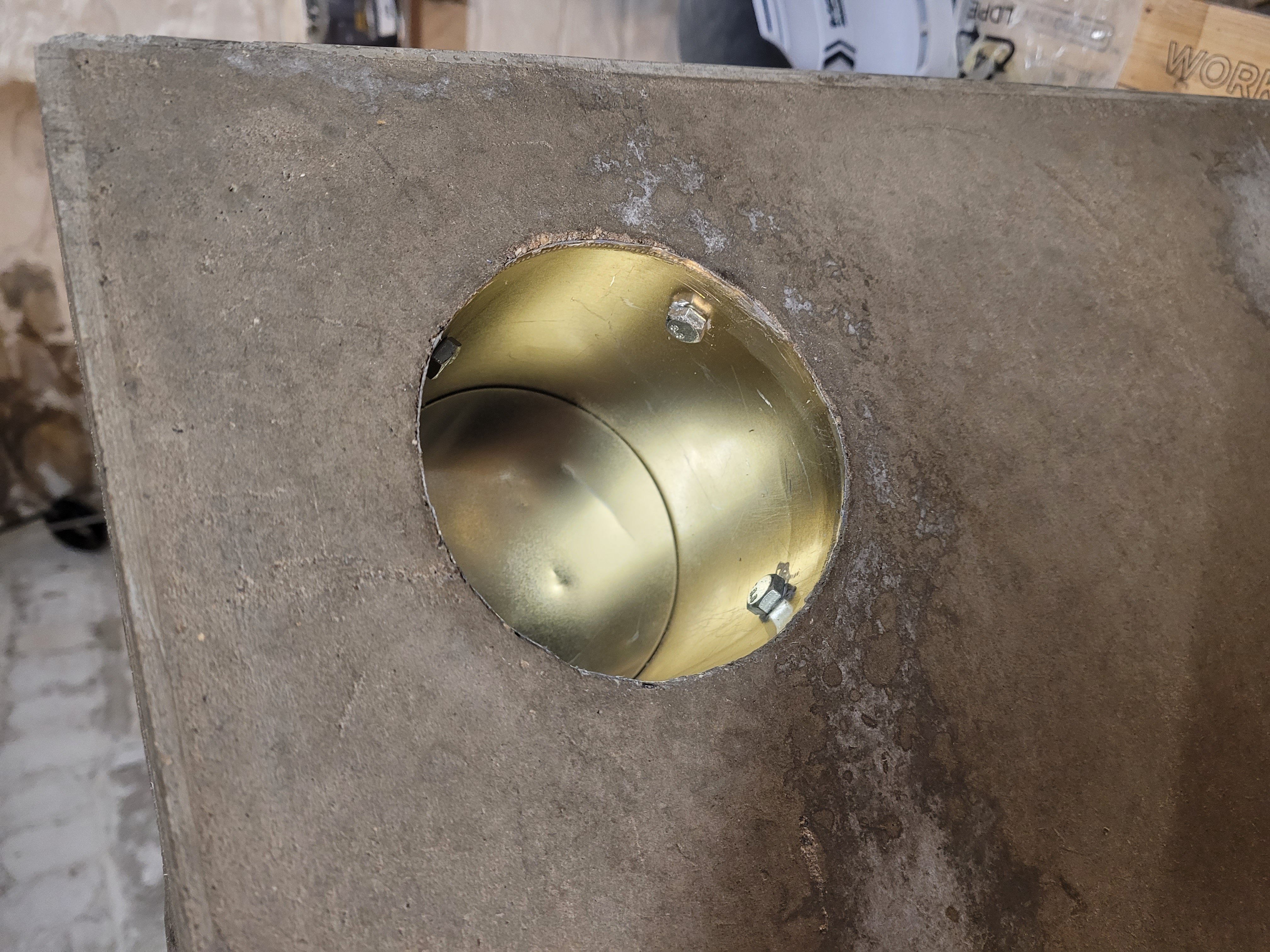
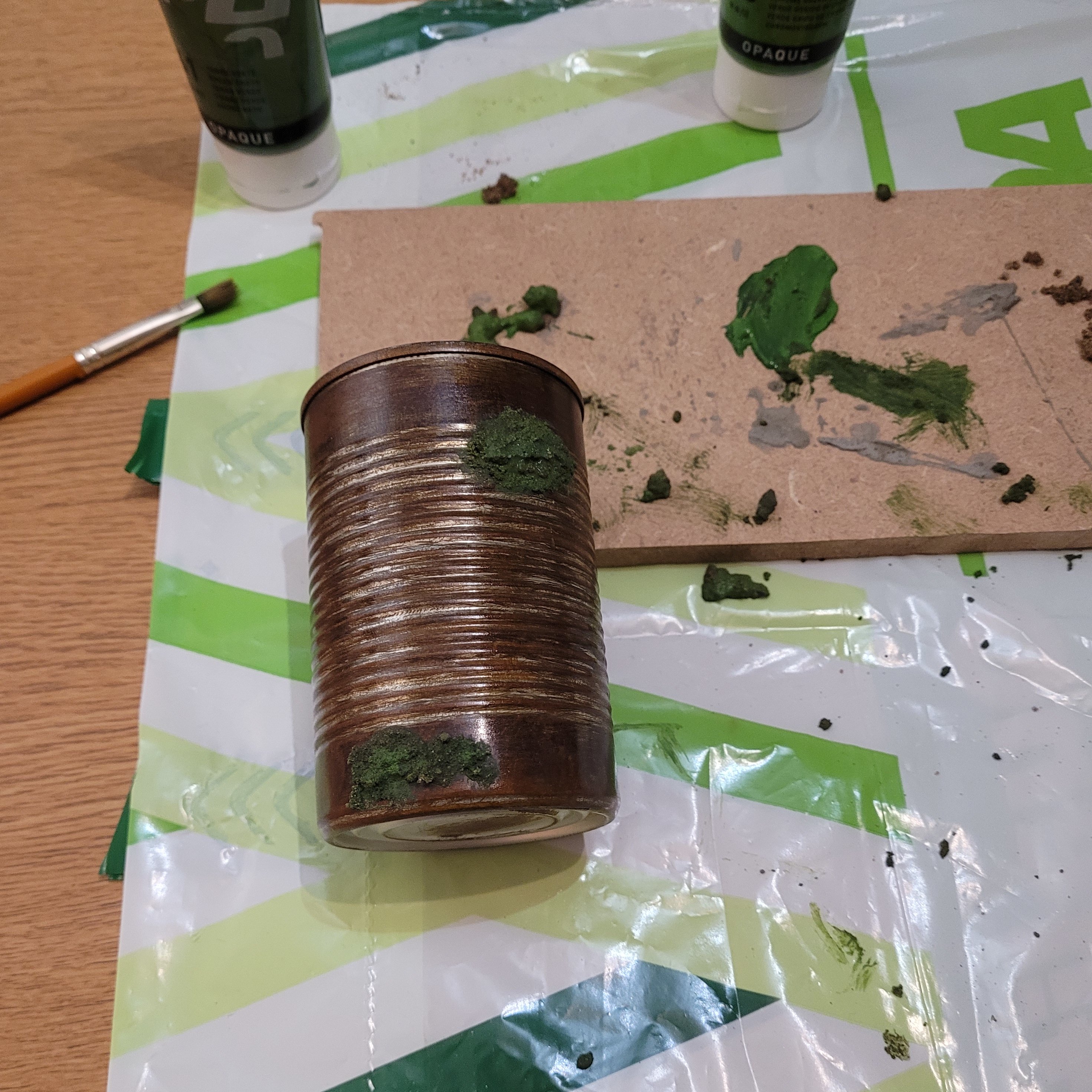
Plant Life Integration: An integral plant pot, fashioned from a repurposed ghee tin, holds a string of pearls plant. The cascading greenery creates a striking contrast against the harsh concrete, evoking images of nature reclaiming abandoned buildings.
Weight as a Feature: At what Burns claims is "quite possibly the heaviest laptop stand in the world," the weight becomes part of the design narrative - a physical manifestation of brutalist principles.
The Making Process: Where Art Meets Science
Creating this piece required techniques that blend construction knowledge with artistic experimentation.
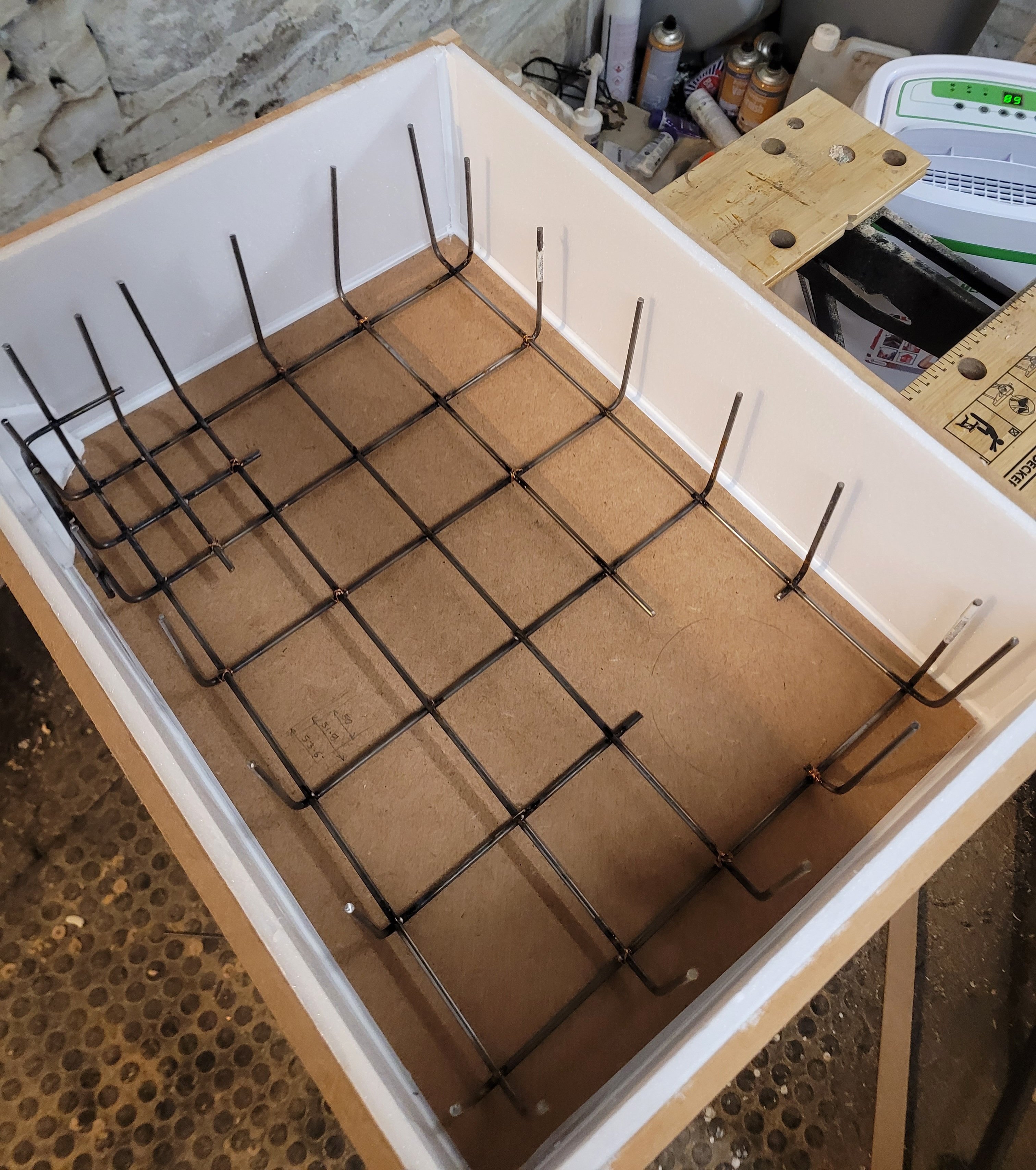
Concrete Pouring Strategy
Unlike standard concrete work, Burns employed a two-pour technique:
- First pour: Created the base structure
- Second pour: Formed the side walls
The mix wasn't homogenized completely, intentionally leaving areas with different material concentrations. This creates the aged, weathered appearance that defines brutalist aesthetics.
Vibration Techniques by Scale
Burns discovered that vibration methods scale with project size:
- Small pieces (coasters, tiny pots): Electric toothbrush for bubble removal
- Large pieces (dining tables): Manual tapping with rubber mallet while walking around the form
- Medium pieces (this stand): A vibrating dildo - described as "actually the best thing to use. Just think of it like any other power tool."
This pragmatic approach to tool selection demonstrates how unconventional solutions often work best for specific challenges.
Creating Authentic Decay
Several elements required artificial aging to achieve the desired urban decay aesthetic:
Exposed Rebar: After polishing with a Dremel tool's wire brush attachment to expose the metal, Burns used water, salt, and hydrogen peroxide to create authentic rust patterns. The chemical reaction follows:
Cu²⁺ + 2NH₃ + 3H₂O → Cu(OH)₂ + 2NH₄⁺
Copper Wire Effects: Kitchen paper-wrapped wire was sprayed with ammonia and water to produce corrosion. Initial attempts to create patina by submerging in liquid failed - the copper compounds turned the liquid blue but didn't form the desired surface texture.
Pen Pot Moss: Acrylic paint cut with sand created realistic moss texture when dabbed (not wiped) onto the surface.
The Urban Decay Narrative
Every element tells a story of deterioration and reclamation:
- The damaged corner suggests structural failure
- Exposed rebar hints at construction shortcuts
- Rusted elements speak to time's passage
- The plant life represents nature's persistence
Even the power cable design plays into this narrative. The visible "damaged" cable is actually fake - the real power lead disappears into the concrete, creating an illusion of dangerous deterioration while maintaining electrical safety.
Practical Considerations
Despite its artistic ambitions, the stand remains functional:
- Provides stable laptop support
- Eliminates desk cable clutter
- Offers convenient charging options
- Creates a unique workspace focal point
The trade-off? Transportation requires a trolley due to its substantial weight - a small price for a piece that transforms a workspace into a statement about architecture, decay, and the intersection of nature and human construction.
Why This Matters
In an era of disposable, mass-produced tech accessories, Burns' creation stands as a counterpoint. It's not just furniture; it's a conversation piece that challenges our assumptions about what tech accessories should look like and how they should function.
The stand proves that with creativity and technical knowledge, everyday objects can become architectural statements. It's brutalism made personal, decay made beautiful, and technology made tangible through the most ancient of building materials - concrete.
For those who appreciate the beauty in imperfection and the poetry of urban decay, this laptop stand isn't just functional furniture. It's a manifesto in concrete form.
Comments
Please log in or register to join the discussion