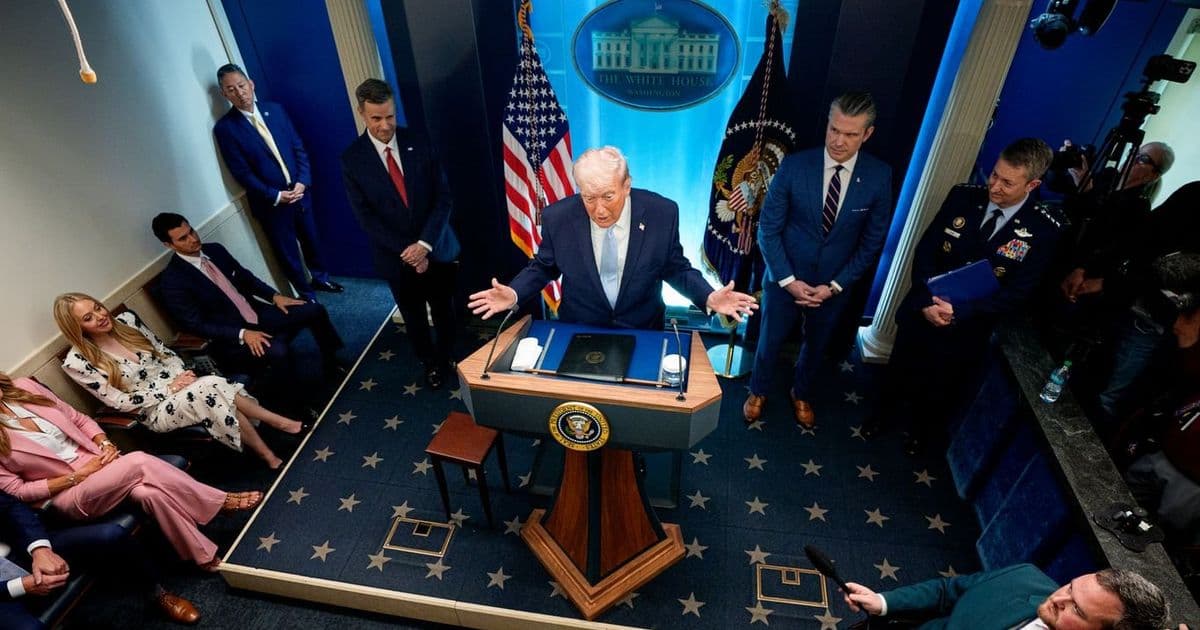
President Trump issued dire warnings during White House press conference as U.S.-Iran negotiations reached critical final hours, raising stakes in already tense diplomatic standoff.
President Donald Trump issued a stark warning during a White House press conference Monday, declaring that "the whole civilization will die tonight" as negotiations with Iran reached a critical eleventh-hour juncture. The dramatic statement came amid escalating tensions over Iran's nuclear program and regional activities.
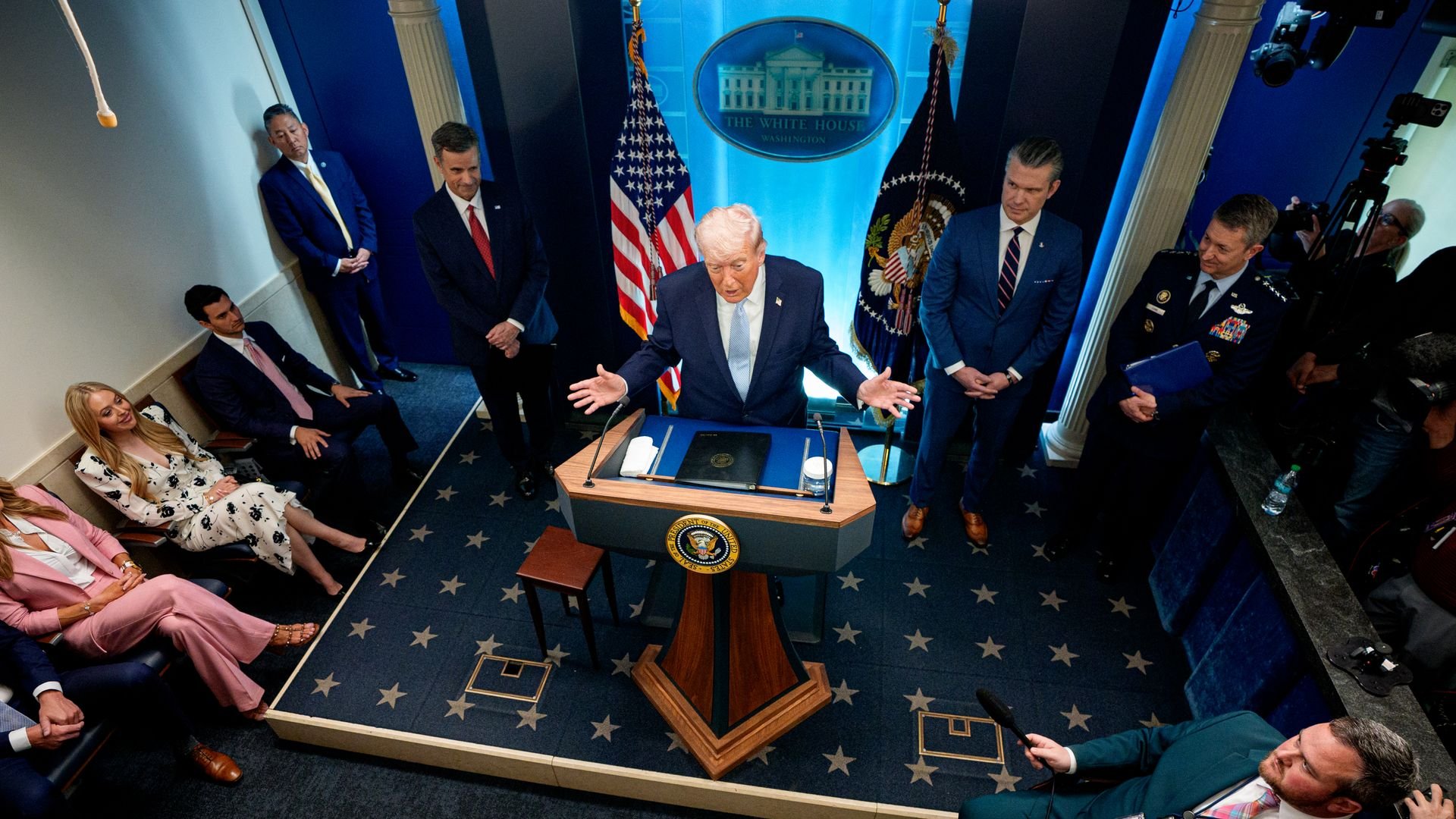
The president's comments follow weeks of backchannel diplomatic efforts aimed at preventing further military escalation in the Middle East. Sources familiar with the negotiations indicate that discussions have intensified over the past 72 hours, with both sides attempting to bridge significant gaps on key issues including uranium enrichment limits and sanctions relief.
Trump's rhetoric marks a significant escalation in his administration's public messaging on the Iran situation. The president has previously criticized the 2015 nuclear deal negotiated under the Obama administration, calling it "the worst deal ever negotiated," and has pursued a policy of "maximum pressure" through economic sanctions and military deterrence.
Diplomatic analysts note that the timing of Trump's warning coincides with several critical developments:
- Recent missile tests conducted by Iran's Revolutionary Guard Corps
- Increased U.S. naval presence in the Persian Gulf
- Reports of Israeli intelligence operations targeting Iranian nuclear facilities
- European Union efforts to mediate between Washington and Tehran
The international community has expressed growing concern over the potential for miscalculation leading to military conflict. United Nations Secretary-General António Guterres reportedly reached out to both U.S. and Iranian officials over the weekend, urging restraint and continued dialogue.
Economic markets reacted to the heightened tensions, with oil prices experiencing volatility as traders assessed the risk of supply disruptions from the world's fifth-largest oil producer. The Iranian rial also weakened against major currencies amid uncertainty about the negotiations' outcome.
Trump administration officials have maintained that all options remain on the table, though they emphasize that the current focus is on achieving a diplomatic resolution. National Security Advisor Mike Waltz stated that the United States seeks a comprehensive agreement addressing not only Iran's nuclear program but also its ballistic missile development and support for regional proxy groups.
The president's dramatic warning echoes similar rhetoric used during previous international crises, including his approach to North Korea and trade negotiations with China. Critics argue that such statements risk undermining diplomatic efforts by reducing the space for compromise, while supporters contend that the tough talk is necessary to bring adversaries to the negotiating table.
As the situation continues to develop, all eyes remain on Tehran's response to Washington's latest diplomatic overtures and whether the two nations can avoid the catastrophic scenario the president warned about.
Comments
Please log in or register to join the discussion