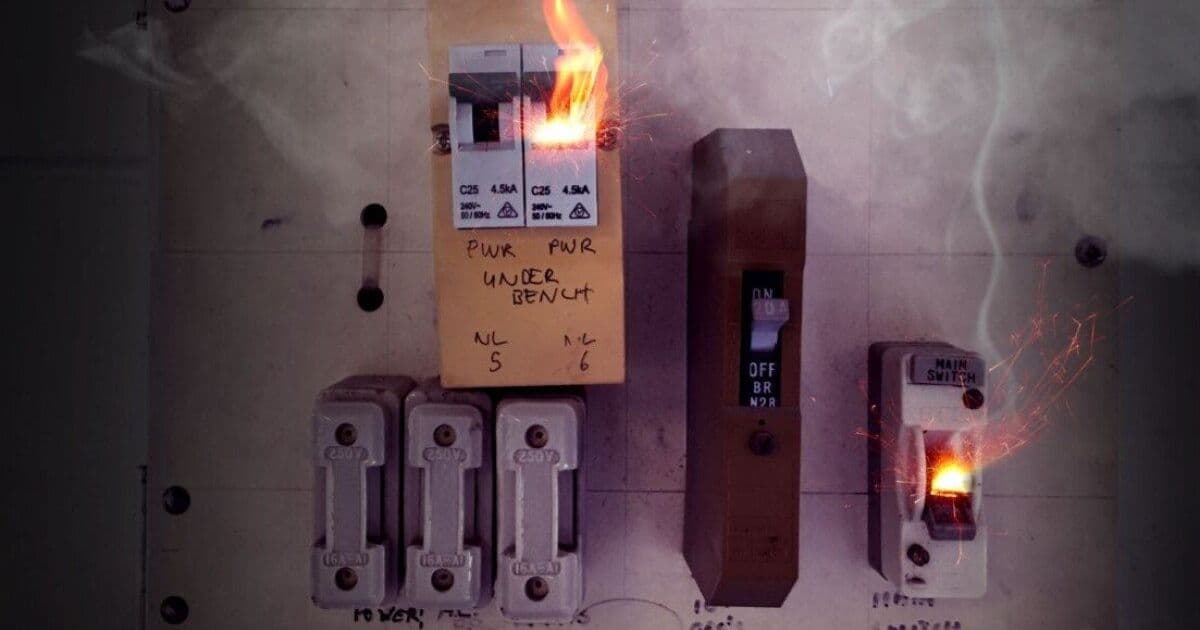
Recent power outage incident highlights critical gaps in business continuity planning and electrical safety compliance, exposing organizations to regulatory violations under OSHA 1910.303 and NFPA 70E standards.
The recent power outage incident at a downtown office building serves as a stark reminder of the critical importance of proper business continuity planning and electrical safety compliance. When faced with a power failure, many organizations might be tempted to take shortcuts, but such actions can result in serious violations of workplace safety regulations and significant liability risks.
Under OSHA's Electrical Safety Standard (29 CFR 1910.303), employers are required to provide electrical equipment that is free from recognized hazards. This includes properly maintained circuit breakers and appropriate safety procedures for emergency power restoration. The National Fire Protection Association's NFPA 70E Standard for Electrical Safety in the Workplace further mandates that only qualified personnel perform electrical work, with proper lockout/tagout procedures and appropriate personal protective equipment.
In the case of the downtown office building, the organization's apparent failure to maintain an adequate emergency power plan resulted in dangerous improvisation. The use of a wooden broom to reset circuit breakers, while creative, demonstrates a fundamental misunderstanding of electrical safety protocols and compliance requirements.
"What we witnessed in this incident is a textbook example of non-compliance with multiple safety standards," explains Sarah Jenkins, OSHA compliance specialist. "Not only did the organization lack proper emergency procedures, but they also allowed unqualified personnel to interact with electrical systems, creating a serious risk of electrocution or arc flash incidents."
The incident raises several compliance concerns:
Lack of Emergency Action Plan: Under OSHA 1910.38, employers must develop and implement an emergency action plan. This plan should include procedures for power outages, assignment of emergency responsibilities, and methods for accounting for all employees.
Inadequate Equipment Maintenance: NFPA 70B Recommended Practice for Electrical Equipment Maintenance requires regular inspection and testing of electrical equipment. The apparent age and condition of the breakers in the basement suggest a failure to maintain critical infrastructure.
Unauthorized Personnel Performing Electrical Work: Only qualified electricians should perform electrical work. The use of non-technical staff to reset breakers violates this fundamental safety principle.
Absence of Backup Power Systems: Organizations with critical operations should have backup power systems in place. The absence of such systems indicates a failure to conduct proper business impact analysis as required by ISO 22301 Business Continuity Management standards.
Proper compliance requires a comprehensive approach to business continuity planning:
- Risk Assessment: Organizations must identify potential threats to operations, including power outages, and assess their likelihood and impact.
- Business Impact Analysis: Critical functions must be identified, and recovery time objectives established.
- Emergency Response Procedures: Detailed procedures for various emergency scenarios, including power outages, must be developed and regularly tested.
- Training Programs: All employees must be trained on emergency procedures, with specific training for designated emergency response personnel.
- Regular Testing: Emergency plans must be tested at least annually, with documented results and corrective actions.
For organizations seeking to improve their compliance posture, the following steps are recommended:
- Conduct a Compliance Audit: Review all emergency procedures against OSHA, NFPA, and ISO standards.
- Implement Proper Maintenance Schedules: Establish regular inspection and testing procedures for all electrical equipment.
- Designate Qualified Personnel: Identify and train qualified individuals to handle electrical emergencies.
- Develop Backup Power Solutions: Install and maintain appropriate backup power systems for critical operations.
- Document Everything: Maintain detailed records of all compliance activities, inspections, and emergency response procedures.
The consequences of non-compliance can be severe. OSHA penalties for willful violations can reach up to $156,259 per violation, with potential criminal liability in cases involving serious harm or death. Additionally, organizations may face civil liability for damages resulting from inadequate emergency response.
"Business continuity planning isn't just about keeping the lights on," says Michael Thompson, director of the National Business Continuity Institute. "It's about ensuring that organizations can continue to operate during and after disruptions while maintaining compliance with all applicable regulations. The recent incident serves as a cautionary tale for organizations to review their emergency procedures and ensure they meet both operational and regulatory requirements."
Organizations should review their emergency procedures and electrical safety protocols regularly, ensuring compliance with all applicable standards and maintaining a safe environment for employees and visitors alike.
Comments
Please log in or register to join the discussion